
What Should Your Bedroom Feel Like? The Ideal Temperature, Light, and Setup for Sleep
PAGE
By PAGE Editor
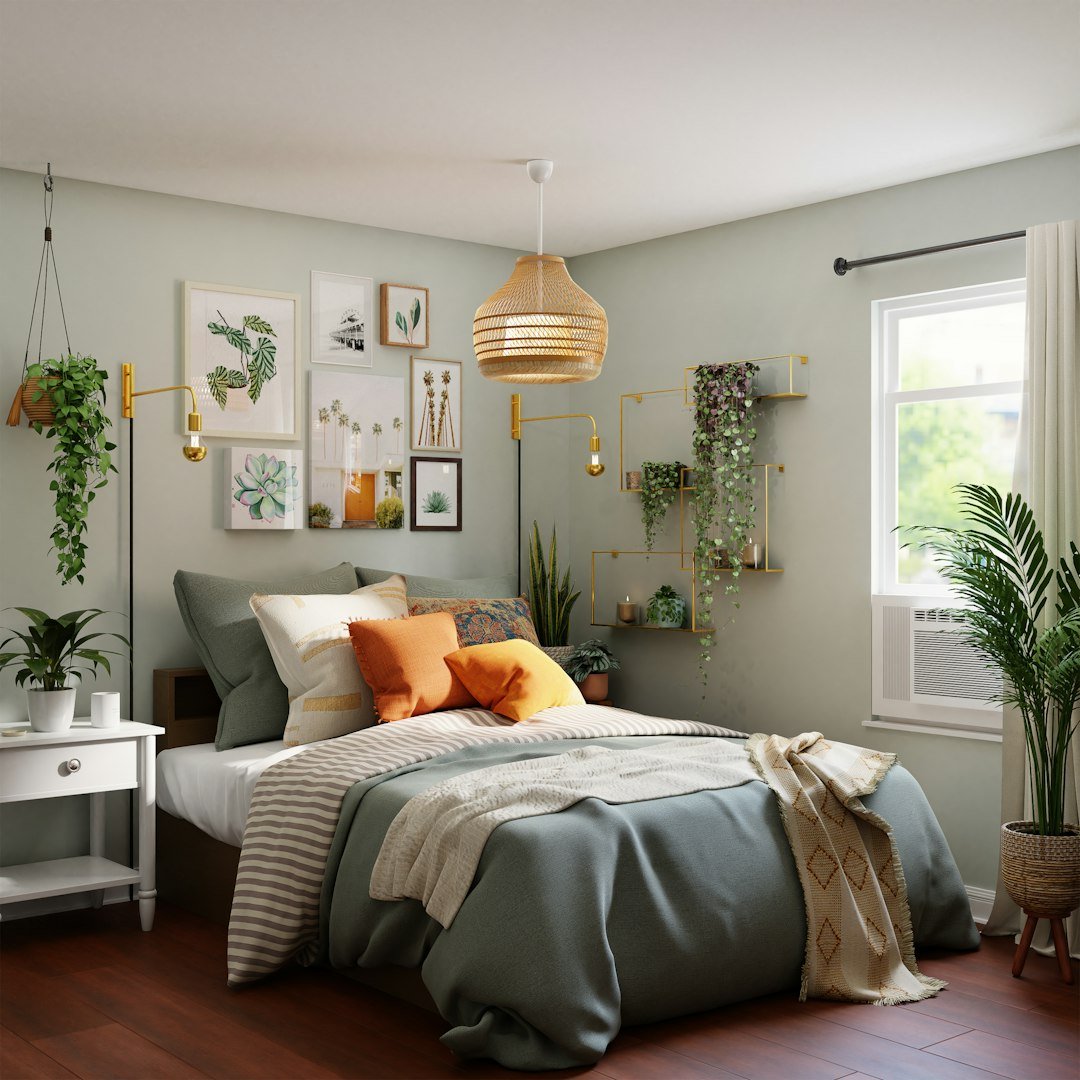
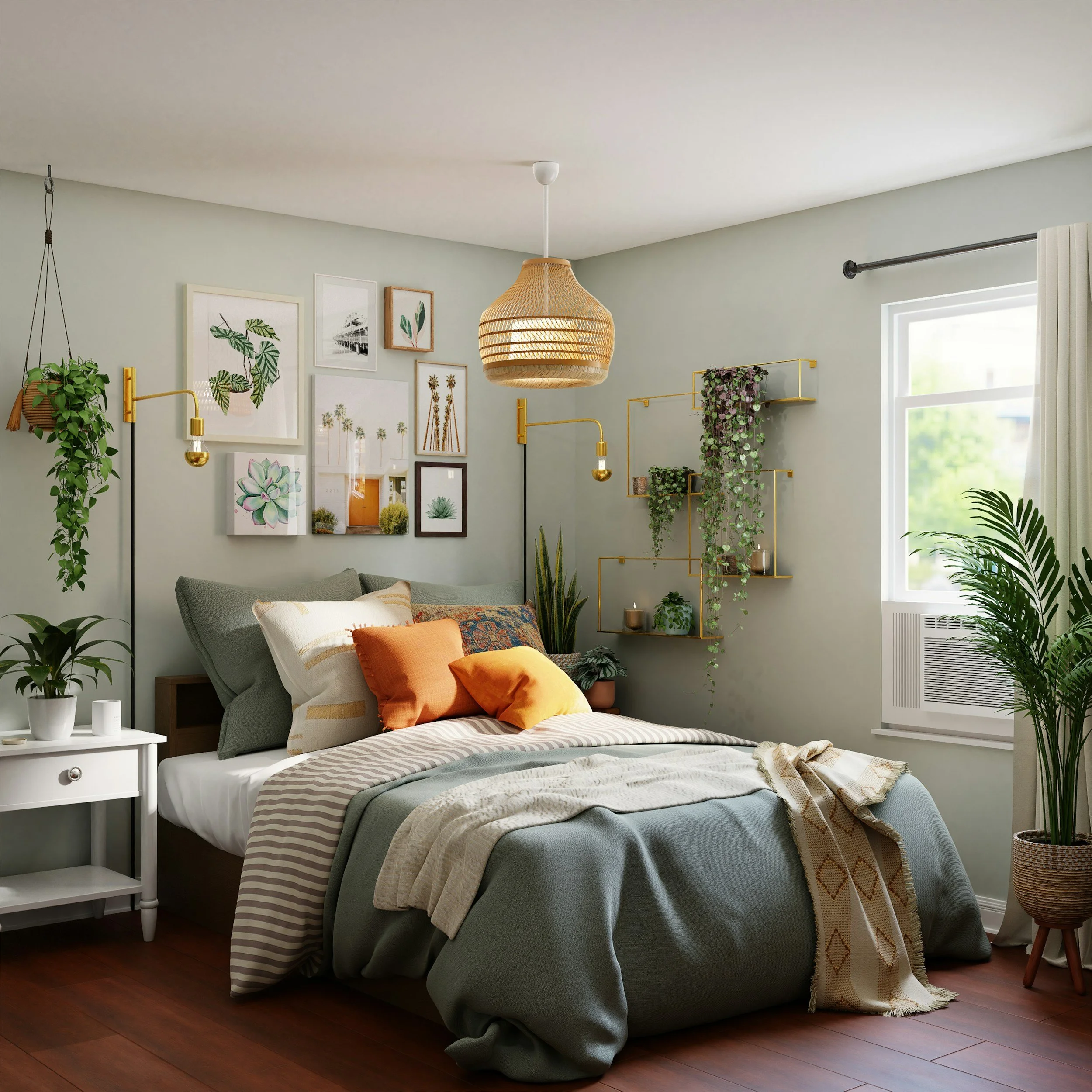
The bedroom should serve as a dedicated sanctuary designed specifically to promote physical recovery and mental quietude. When your physical space is disorganized, excessively bright, or uncomfortable, your mind remains vigilant, preventing access to deeper stages of rest. Designing an optimal sleeping environment requires careful attention to climate control, illumination, and physical setup.
Sensory input directly governs how the brain processes safety and comfort. By systematically controlling ambient light, acoustic levels, and air circulation, you remove physical stressors that trigger midnight awakenings. A bedroom engineered for sleep transforms the nightly routine from a struggle into an effortless transition.
The Role of Environmental Cues
Your brain constantly scans surroundings for signals regarding safety and rest. Sharp lighting, cluttered floors, and loud noises signal activity, encouraging the release of alert state hormones. Conversely, dim lighting, cool air, and soft textures communicate safety, easing the autonomic nervous system into a parasympathetic state necessary for deep slumber.
Finding the Perfect Thermal Environment
Temperature control represents one of the most critical factors in maintaining unbroken sleep throughout the night. The human body must drop its core temperature by a few degrees to initiate and sustain deep sleep cycles.
The Science of Core Body Temperature
As evening approaches, the body naturally radiates heat from the core outward to the extremities, lowering overall internal temperature. A room that is too warm interferes with this natural thermoregulation process, leading to restlessness and a reduction in rapid eye movement sleep. Maintaining an ambient room temperature between sixty and sixty-seven degrees Fahrenheit supports this natural biological shift.
Bedding and Thermal Regulation
In addition to thermostat adjustments, bedding materials heavily influence microclimate temperatures under the covers. Natural fibers like cotton, linen, and bamboo offer superior breathability compared to synthetic options, allowing excess heat to dissipate freely. Selecting breathable sheets prevents nighttime sweating and sudden temperature fluctuations that wake you up.
Controlling Light and Sound Inputs
Light and sound are primary external cues that dictate sleep quality and duration. Managing these elements eliminates common barriers to continuous rest.
Eliminating Light Leaks
Even minimal amounts of ambient light penetrating closed eyelids can register in the brain and interrupt natural sleep rhythms. Install blackout curtains to block streetlights, vehicle headlights, and early morning sun rays. Additionally, cover or remove electronic devices that emit bright light displays, such as alarm clocks, chargers, or streaming equipment.
Managing Acoustic Distractions
Unpredictable background noises disrupt sleep quality far more than constant background sound. Unexpected noises trigger a brief startle response, spiking the heart rate even if you do not fully awaken. Utilizing continuous background sound, such as a fan or a white noise generator, helps mask erratic external noises, maintaining a stable acoustic background.
Choosing Supportive Sleep Surfaces
A bedroom cannot function effectively without a comfortable foundation that supports proper spinal alignment and distributes body weight evenly across the surface.
Alignment and Pressure Relief
When sleeping, your spine should maintain a neutral position similar to good standing posture. A surface that sags forces the lumbar spine out of alignment, causing muscle strain and morning stiffness. Investing in a durable mattress in Orem designed for proper weight distribution ensures that shoulders, hips, and lower back receive appropriate support throughout the night.
Spatial Flow and Clutter Reduction
The layout of your room influences mental calm. Keep the floor clear of clutter, laundry, and work materials. Position the head of the bed against a solid wall with clear pathways on both sides to foster a sense of spatial balance and security. Keeping work instruments out of the bedroom reinforces the boundary between daytime responsibilities and nighttime rest.
HOW DO YOU FEEL ABOUT FASHION?
COMMENT OR TAKE OUR PAGE READER SURVEY
Featured



Video is no longer optional for marketing teams, e-commerce brands, and solo creators.