
What to Look for When Sourcing Genuine OEM Parts for Japanese Sport Motorcycles
PAGE
By PAGE Editor
Japanese sport motorcycles depend on tight tolerances, stable heat control, and exact mechanical alignment. Replacement parts must support those demands without compromise. A poorly sourced seal, switch, or friction plate can disturb fit, create vibration, or shorten service life. Riders and workshop buyers usually make better choices by checking origin, application data, and catalog quality before ordering. That habit protects reliability, limits wasted labor, and helps high-output machines stay mechanically consistent over time.
Match Model Data
Fitment checks should happen before any price review starts. Japanese sport bikes often change small details by year, trim, and destination market. Wiring plugs, brake fittings, and outer covers may appear identical while carrying different dimensions. Careful sourcing begins with the model code, production range, and factory part number. That sequence reduces returns, prevents workshop delays, and lowers the chance of installing hardware that seems correct but fails during real use.
Read Category Depth
A well-built catalog reveals more than a sales pitch. Buyers scanning a genuine Honda motorcycle parts collection should look for clear coverage across engine, clutch, cooling, electrical, chassis, and drive categories because broad system depth often reflects accurate inventory control and technical familiarity. That matters on Japanese sport models, where one repair may require seals, clips, sensors, and model-specific fasteners from several connected assemblies.
Check Part Number Integrity
Exact numbering matters more than polished product photos. Many factory pieces look alike online yet carry small differences that affect fit or function. Reliable listings show the full identifier clearly and connect it to the proper application. Buyers benefit from comparing those codes with service manuals, old invoices, or removed components. Accurate number matching helps prevent hidden errors, especially with bearings, springs, sensors, and internal engine hardware.
Review Supplier Specialization
Specialization often separates a focused parts source from a broad powersports retailer. Sellers familiar with Japanese performance motorcycles usually understand year splits, recurring failure points, and compatibility concerns. That experience tends to improve catalog structure and reduce fitment mistakes. It also supports better ordering during complex repairs, where gaskets, cooling components, clutch pieces, and electrical items must work together without guesswork or unnecessary substitution.
Look for Complete Systems
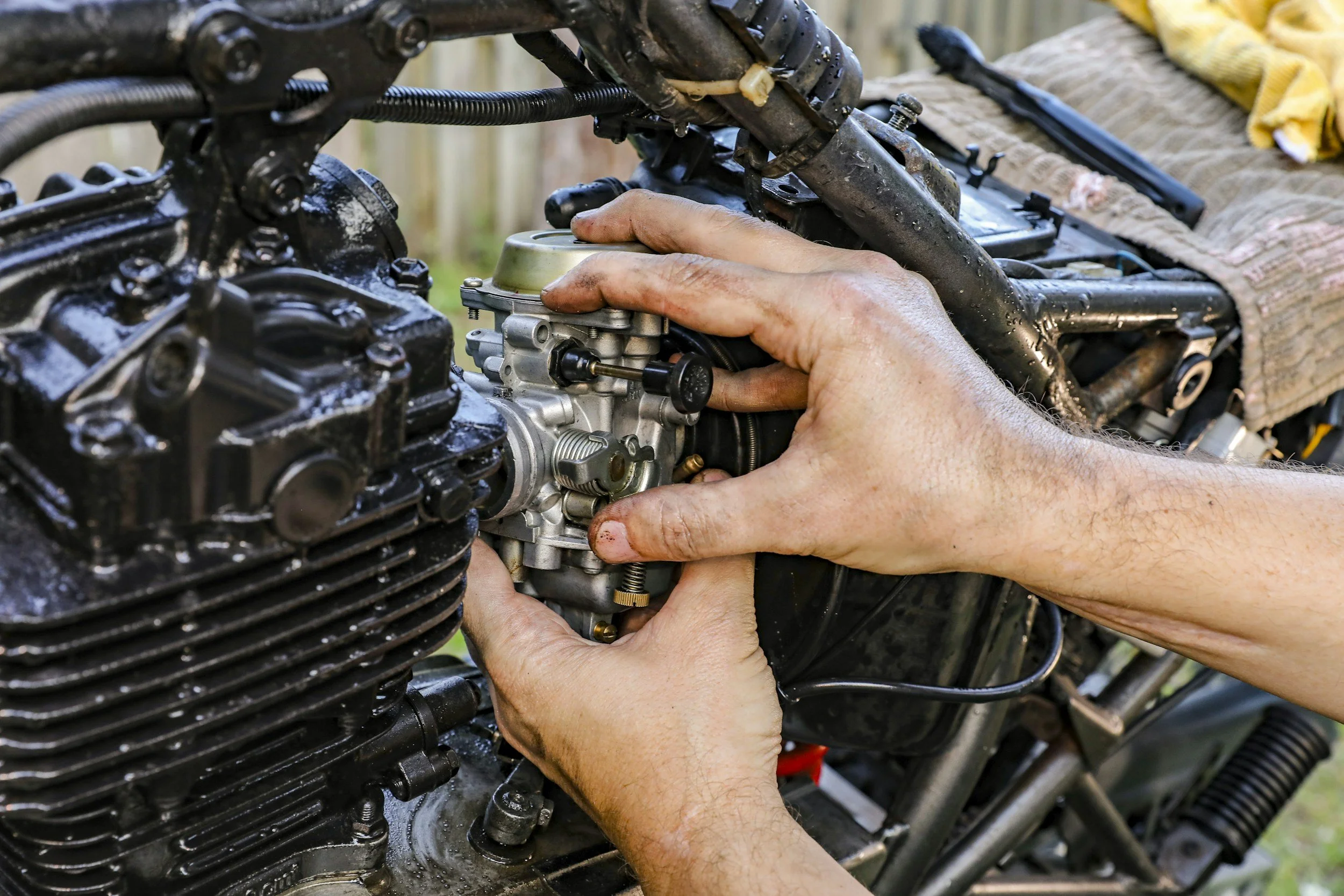
Single-item ordering can slow a repair quickly. One service task often needs supporting pieces such as clips, seals, washers, bolts, or springs. A practical source presents related components within the same assembly group. That layout helps buyers plan engine, brake, intake, or suspension work more efficiently. It also reduces piecemeal purchasing, which can extend downtime, raise shipping costs, and leave a motorcycle waiting on one overlooked part.
Inspect Product Language
Listing language offers useful clues about authenticity and catalog quality. Genuine factory parts are usually named plainly, with clear applications and restrained wording. Broad compatibility claims, vague descriptions, or missing manufacturer references deserve caution. Buyers also gain insight from category organization. If listings follow actual motorcycle systems, such as lubrication, cooling, camshafts, or frame hardware, the backend data is often more trustworthy and easier to verify.
Prioritize Fresh Inventory Signals
Inventory accuracy matters because many repairs move on a tight schedule. A dependable source usually shows current availability, active category maintenance, and ongoing support for popular Japanese sport platforms. Organized subgroups for controls, exhaust, and engine internals can signal careful upkeep. Regular catalog attention suggests closer tracking of demand and stock movement. That lowers the risk of ordering against outdated listings that delay service or disrupt workshop planning.
Consider Service and Returns
Even careful sourcing can still produce a fitment issue. Return policies, order support, and communication standards remain important before any larger purchase. Clear contact options and direct terms help buyers act quickly when a connector, gasket, or cover does not match expectations. That support matters even more on race-prepped or heavily serviced machines. where one incorrect piece can interrupt progress and leave a motorcycle off the road longer than expected.
Balance Price With Risk
Lowest cost rarely tells the full story. Factory parts may carry a higher purchase price than generic replacements, yet they often reduce repeat labor and early wear. Access around intake, cooling, and engine areas can be time-consuming on Japanese sports motorcycles. Saving money on a questionable component may create a larger expense later. Sound sourcing weighs total repair risk, installation time, and long-term reliability rather than shelf price alone.
A Practical Check
A practical review can stay simple without becoming superficial. Three filters usually work well: exact fitment, credible numbering, and complete system coverage. If one element is missing, the order deserves a second look. That routine supports both routine maintenance and larger rebuilds. It also gives private owners and workshop staff a repeatable method that saves time, limits errors, and keeps performance motorcycles closer to factory operating condition.
Conclusion
Sourcing genuine OEM parts for Japanese sport motorcycles depends less on luck and more on disciplined verification. Strong fitment data, accurate numbering, complete system coverage, and dependable support all point to a safer purchase. Buyers who use those markers can reduce delays, avoid installation errors, and preserve consistent performance over time. On machines built around close tolerances and rapid response, careful parts selection remains one of the most effective ways to protect lasting mechanical health.
HOW DO YOU FEEL ABOUT FASHION?
COMMENT OR TAKE OUR PAGE READER SURVEY
Featured





Video is no longer optional for marketing teams, e-commerce brands, and solo creators.