
What Your Business Envelope Design Says About Your Brand
PAGE
By PAGE Editor
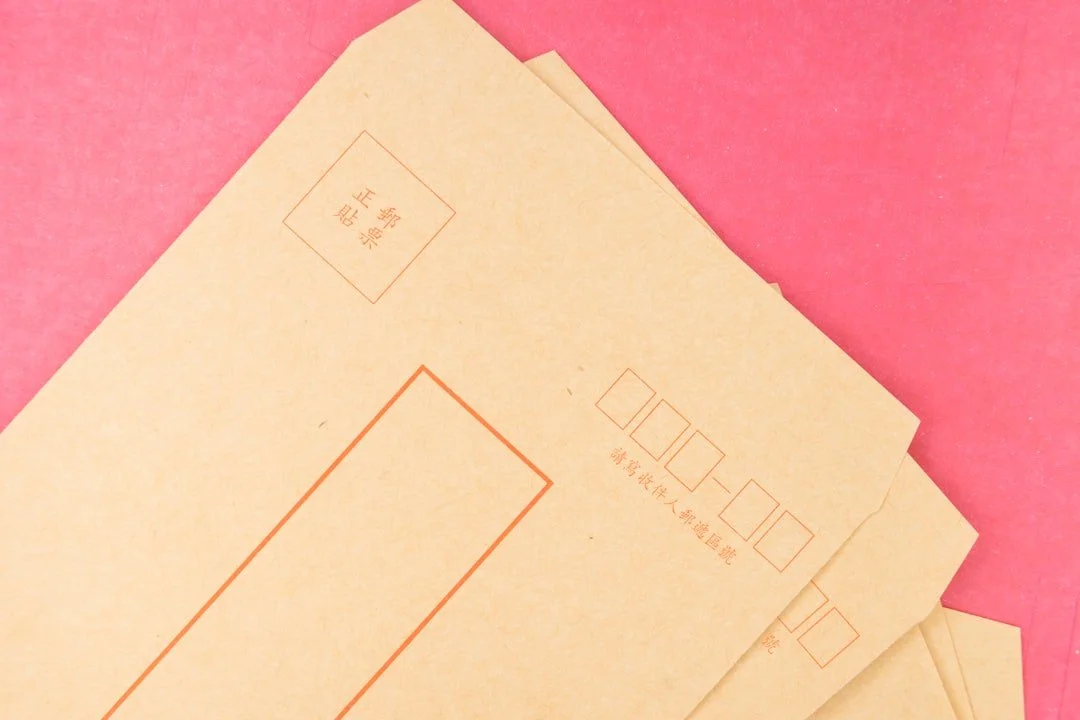
Most people open an envelope without giving it a second thought. But the person receiving it notices more than they realize. The weight of the paper, the sharpness of the logo, the color of the stock — these details register instantly, before the contents are even considered. Businesses that overlook envelope design are leaving a brand impression to chance. Getting it right signals professionalism and care from the moment someone picks up the mail.
Design Elements That Shape First Impressions
An envelope's visual layout communicates something about the company behind it before a single word inside is read. Font choices, color application, and logo sizing all contribute to that immediate read. A crowded design suggests disorganization. A clean, deliberate one suggests credibility.
Businesses that order custom business envelopes get to make those visual choices intentionally, rather than defaulting to generic formats. Aligning envelope design with established brand guidelines ensures that every piece of outgoing mail looks like it came from the same place. That visual consistency, repeated across every customer interaction, is one of the quieter ways a brand builds recognition and earns trust.
Color and Its Effect on Brand Perception
Color communicates before language does. Research in consumer psychology indicates that consistent color use can increase brand recognition by as much as 80 percent. Even a subtle accent, a branded stripe or a color-matched return address block, can reinforce what a company wants recipients to feel when they see its name.
Matching Colors to Brand Identity
Warm tones tend to suggest energy and approachability. Cool tones read as reliable and steady. Neutral palettes communicate quiet sophistication. Whatever direction a brand takes with color, the envelope should reflect it accurately. Small deviations from the established palette may seem minor in isolation, but they introduce visual inconsistency that gradually weakens the cohesive identity a company has worked to build.
Typography and Logo Placement
The typeface printed on an envelope is not decoration. It carries meaning. Serif fonts tend to signal tradition and authority. Sans-serif options read as contemporary and direct. Using a typeface that does not match the brand's primary font family creates a subtle disconnect that recipients may not consciously identify but still feel.
Why Logo Placement Matters
Where a logo sits on an envelope affects both balance and readability. Placing it too close to the edge risks production cutoff. Centering it too heavily crowds the address fields. The upper-left corner remains the standard for good reason; it aligns with natural eye movement when scanning something new. Adequate white space around the logo reinforces a finished, professional appearance.
Paper Quality and What It Communicates
The physical feel of an envelope shapes perception just as much as its appearance. Heavier paper stock signals investment and seriousness. A thin, flimsy envelope can quietly undercut the credibility of whatever is inside, regardless of the content's actual quality.
Choosing the Right Stock
Standard business envelopes typically use 24 lb. bond paper. Premium options run from 28 lb. to 32 lb. For companies sending contracts, proposals, or high-value correspondence, heavier stock reinforces the idea that the enclosed items deserve real attention. The paper itself becomes part of the message.
Return Address Design and Brand Consistency
The return address field is easy to overlook, but it functions as a small branding space. A formatted return address that includes the company logo and matches the brand typeface extends the visual identity to every corner of the envelope. It also adds credibility. Recipients are more inclined to open mail from senders who present themselves with care.
Maintaining a consistent return address format across all outgoing correspondence builds familiarity over time. Recipients who receive multiple pieces begin associating that visual format with the company, reinforcing recognition without any additional marketing effort.
Conclusion
Envelope design is not a minor operational detail. Every choice, from paper weight to color palette to logo placement, contributes to how a recipient perceives the sender before the seal is broken. Brands that approach envelope design with the same intentionality they bring to other visual materials treat it as what it actually is: an extension of their identity. In competitive markets, that consistency and attention to the smaller details can set a business apart from those that treat physical mail as an afterthought.
HOW DO YOU FEEL ABOUT FASHION?
COMMENT OR TAKE OUR PAGE READER SURVEY
Featured




Preparing a home for overnight guests creates different priorities from ordinary weekly upkeep.