
When Smart Glasses Become Part of the Wardrobe

PAGE
By PAGE Editor
For years, smart glasses seemed to ask people to dress around the gadget. Their appeal began with what the technology could do, while the frame itself was often an afterthought. But eyewear is unusually personal: it sits at the center of the face, accompanies us from work to dinner, and becomes part of how we present ourselves. As connected glasses evolve, a more interesting question is emerging. Can they earn a place in an everyday wardrobe without looking like a device first?

Eyewear First, Technology Second
A good pair of glasses has a kind of quiet confidence. It can sharpen a tailored look, soften a minimal outfit, or add character without competing with everything else. Round metal frames feel different from thick acetate squares; subtle finishes tell a different story from high-contrast details. Smart eyewear has to respect those familiar choices if it hopes to move beyond the novelty stage.
Why Fit and Silhouette Still Matter
The details are not merely aesthetic. Frame width, nose pads, temple shape, and overall weight affect whether glasses stay comfortable over a long day. For people who already wear prescription lenses, the ability to use their usual vision correction is especially important. A frame that looks great in a photograph means little if it slips down the nose or feels cumbersome by midafternoon.
That makes the most promising design direction surprisingly simple: start with eyewear someone would choose even if the electronics were switched off, then make the technology fit inside it.
The Appeal of Subtle, Audio-First Technology
Not everyone wants a camera on their face. Some people are more interested in low-key conveniences: answering a call while carrying bags, listening to a podcast on a walk, or hearing audio without putting in earbuds. Open-ear speakers can make those moments easier while leaving the ear canal unobstructed, although sound clarity and leakage still depend on the setting and volume.
Everyday Features Without a Built-In Camera
This more restrained approach also changes the visual language of the product. Without a prominent camera element, audio-first frames can resemble ordinary glasses rather than miniature recording equipment. People comparing Bluetooth-enabled glasses for everyday wear should look beyond feature lists to consider frame fit, audio performance, charging habits, and whether the design works with their existing style.
There is one distinction worth keeping clear: camera-free does not mean microphone-free. Some connected glasses still support calls or audio recording. As with any recording device, users should be thoughtful about consent and the expectations of people around them.
Where Everyday Style Meets Smart Function
This balance between familiar design and useful technology is where the category becomes interesting. Instead of treating glasses as a portable screen, brands can build around the things eyewear already does well: sit comfortably on the face, complement a wardrobe, and remain close at hand throughout the day.
Consider the Dymesty Jobs Circle smart glasses, which combine a rounded titanium frame with prescription-lens options, open-ear audio, and hands-free calling. The circular shape reads first as everyday eyewear. The connected functions—including recording, transcription, and translation—are there when needed, but the frame can still be worn simply as glasses.
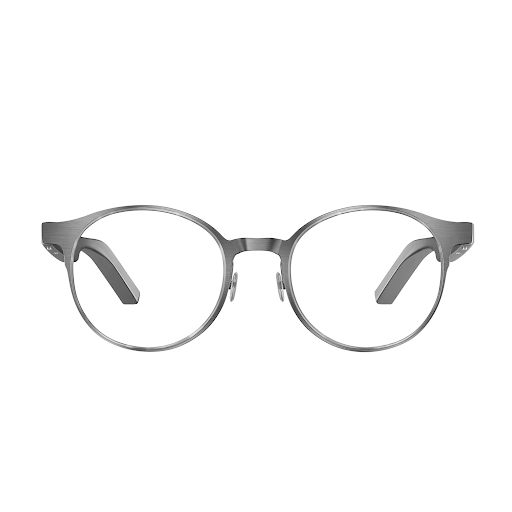
The Dymesty Jobs Circle: a round titanium frame with integrated audio features.
That distinction matters. A wearable does not have to announce its technology to feel contemporary. In fact, the more naturally it fits into an existing routine, the less effort someone needs to spend thinking about it. Good design allows functionality and personal style to share the same space.
The Best Wearable Is the One You Want to Wear
The smartest way to shop for connected eyewear may be to approach it as an eyewear purchase first. Try the shape. Check the fit and lens options. Think about how often you actually take calls or listen on the go, and whether another device would serve those needs just as well. Battery life and controls matter, but so does the simple question of whether you like how the glasses look.
Fashion has always made room for useful objects, from a well-cut coat to a thoughtfully designed bag. Smart glasses will find their own place when they offer that same blend of practicality and personality. The most compelling pair may not be the one with the longest list of features, but the one you reach for on an ordinary morning without giving it a second thought.
HOW DO YOU FEEL ABOUT FASHION?
COMMENT OR TAKE OUR PAGE READER SURVEY
Featured



For years, smart glasses seemed to ask people to dress around the gadget.