
Why Annual HVAC Tune-Ups are a Worthwhile Investment
PAGE
By PAGE Editor
Most people ignore their HVAC until it dies on the hottest day or coldest night. That crisis mode is expensive. A simple annual tune-up prevents panic, saves money, and keeps the home comfortable year-round.
More Than Just a Checklist
A professional tune-up isn’t someone just glancing at the unit and saying, “Yep, looks fine.” It’s a thorough, methodical process. When a technician comes out, the work includes a deep dive: cleaning internal components, checking refrigerant levels, tightening electrical connections, lubricating moving parts, and testing safety controls. The technician will catch that tiny crack in a heat exchanger or that slowly failing capacitor that would never be noticed otherwise. Those are the kinds of invisible gremlins that turn into thousand-dollar emergency repairs if left alone.
Electrical check: Tightening connections to prevent dangerous voltage drops and fire hazards.
Condensate drain cleaning: Preventing clogs that cause water damage or mold growth.
Air filter assessment: Ensuring proper airflow, which is the number one cause of frozen coils or overheating.
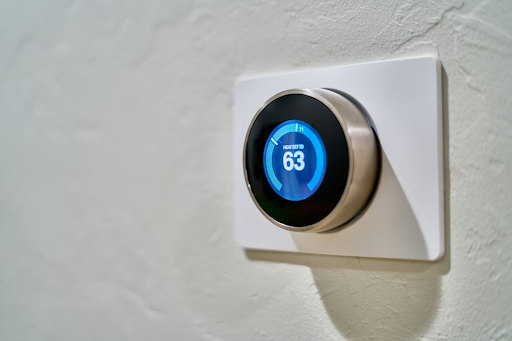
Thermostat calibration: Making sure the system actually turns off when it reaches the right temperature.
Why “Today” Is Always Too Late
Picture the scene. It’s Saturday afternoon, 95 degrees, and the AC sounds like it’s gargling rocks. A homeowner needs help immediately. The natural reaction is to panic and search for experts, as seen at https://smockhvac.com/, and rightfully so, as those technicians drop everything to rescue a customer. Most emergency breakdowns were not sudden. They were gradual failures that a simple tune-up would have spotted months earlier. By investing in a spring checkup for the AC and a fall checkup for the furnace, homeowners get to call during regular business hours for a scheduled appointment. That means avoiding the after-hours rates, the long waitlists, and the misery of sleeping in a 90-degree bedroom. A homeowner becomes the person who calls for a maintenance plan, not the one desperately searching for a rescuer.
The Wallet Will Thank You
A typical preventative maintenance visit costs roughly the same as an emergency service call fee alone, before any wrench is turned. More importantly, an efficiently running system uses significantly less energy. The U.S. Department of Energy estimates that dirty coils and worn parts can increase energy bills by 10% to 30%. Over a year, that adds up to real money. Skipping those tune-ups means that when a compressor dies in year four, the homeowner might be on the hook for the full replacement cost. The savings break down like this:
Lowers utility bills: A clean, tuned system runs less often and uses less energy to reach the set temperature.
Extends equipment life: A well-maintained furnace can last 18-20 years instead of dying at year 12.
Protects the warranty: Most manufacturers void coverage without proof of regular professional service.
Breathing Easier at Home
The HVAC system acts like the lungs of a house, pulling air from every room and pushing it back out. Skip the tune-up, and that air carries dust, pollen, mold, and worse; rodent droppings, circulating everywhere. A service visit cleans the blower and checks the return ducts. For anyone with allergies or asthma, the difference is shocking.
What a good cleaning does: Prevents mold and bacteria in the coils. Keeps humidity right, so musty smells and dust mites stay away. Seals ducts and changes filters to trap particles. Catches burning smells or mildew before they spread through the house.
Protecting the Home as an Asset
A home is likely the largest financial investment a person makes. And the HVAC system is a massive part of that asset’s value and safety. A neglected furnace can develop heat exchanger cracks, which leak carbon monoxide into living spaces. A neglected AC can develop leaks that cause moisture damage to drywall, flooring, and subflooring. During a professional tune-up, safety checks are non-negotiable. Technicians use combustion analyzers and carbon monoxide detectors to ensure a family’s safety. They check for gas leaks, electrical shorts that could start fires, and condensation leaks that could rot walls. A single annual visit acts as a full safety audit for the mechanical room that usually gets ignored.
How to Make It Painless and Worth the Effort
Scheduling a tune-up doesn't have to feel like another chore. Think of it like swapping winter coats for t-shirts, just a seasonal habit. Many HVAC companies offer affordable maintenance plans that bundle spring AC and fall furnace checks into one flat fee, often with perks like priority service or repair discounts. The smart move? Call in March or September, not July or January.
Simple game plan: Set calendar reminders for April (AC) and October (furnace). Join a plan that covers both visits. Ask the technician questions during the checkup. File the service reports; they're gold for warranty claims or selling the house later.
A quick phone call and a few hours once a year. That's all it takes for lower bills, cleaner air, and no surprise breakdowns. Come July or January, you'll be the one relaxing while neighbors sweat or shiver.
HOW DO YOU FEEL ABOUT FASHION?
COMMENT OR TAKE OUR PAGE READER SURVEY
Featured





Deep clean, seal, and protect your tile & grout in Oceanside, CA. Bring the original shine back to your floors. Request a quote today!