
Why Having Your Ceremony and Reception in One Location Can Simplify Your Wedding
PAGE
By PAGE Editor
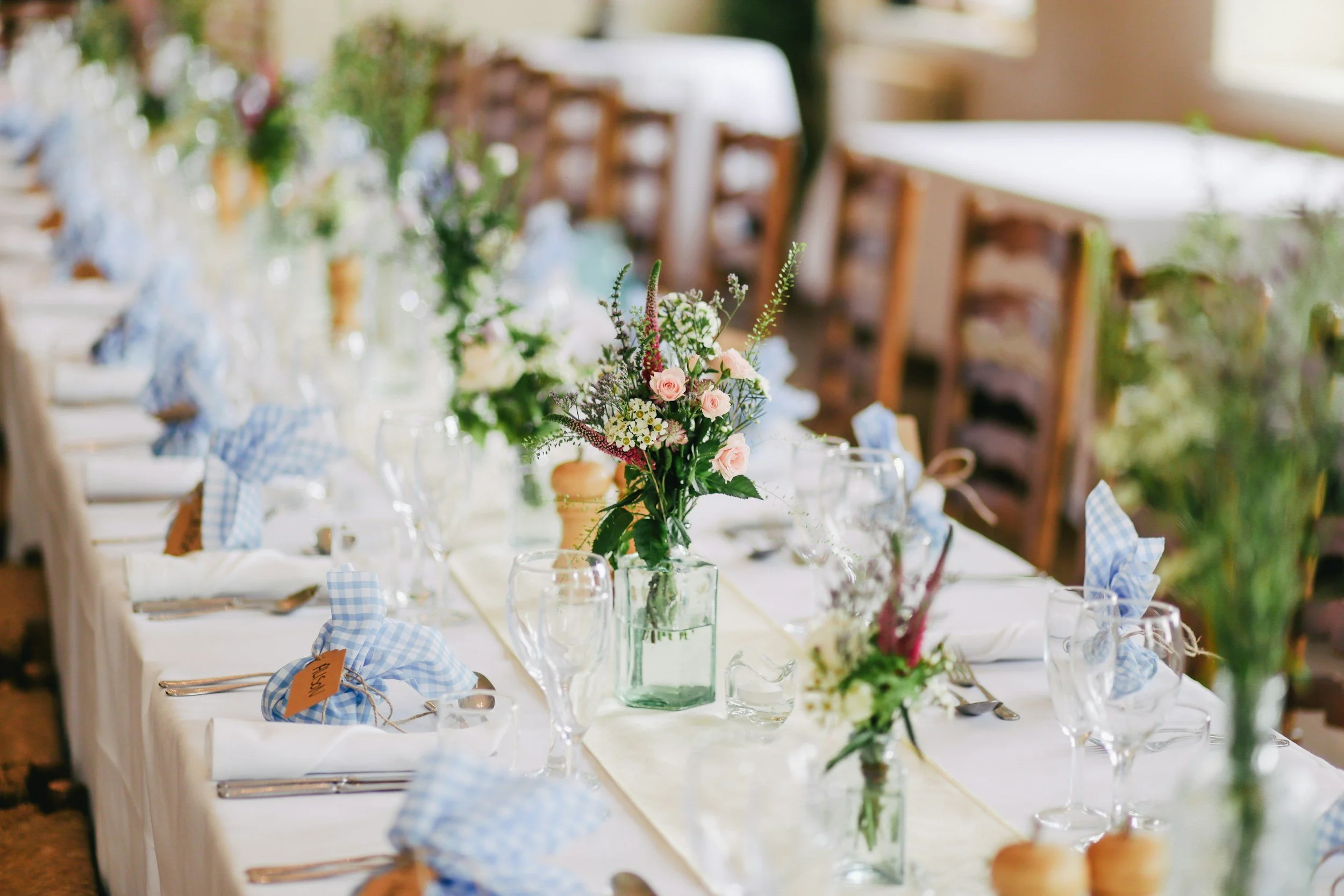
Planning a wedding involves coordinating people, suppliers, transport and timing, often across an entire day. One decision that can make this process easier is choosing a venue where both the ceremony and reception can take place. Options such as golf club wedding venues can provide ceremony settings, reception facilities and outdoor surroundings within one location, reducing the need to move guests between multiple venues.
Keeping the main parts of the wedding together does not mean every celebration needs to follow the same format. Couples can still create distinct experiences for the ceremony, photographs, drinks and reception while benefiting from a more streamlined schedule.
Guests Have Less Travel to Manage
When the ceremony and reception are held at different locations, guests need to work out how they will travel from one venue to the next. This can be relatively straightforward when locations are close together, but traffic, parking and unfamiliar roads can still create delays. Guests who have travelled from outside the area may find multiple locations particularly challenging. Holding everything at one venue removes this transition. Guests can arrive, park or be dropped off and remain at the property for the main parts of the celebration.
This can also make planning easier for families travelling with young children and guests who may have mobility considerations. Couples should still provide clear information about arrival times, parking, transport options and accessibility. However, having one primary destination can reduce the amount of logistical information everyone needs to manage.
The Wedding Timeline Becomes Easier to Coordinate
Wedding schedules can become complicated quickly. The ceremony needs to finish at the appropriate time, photographs need to be taken and guests need somewhere to go before the reception begins. When two venues are involved, travel time needs to be built into this schedule. Additional time may also be required for parking, loading vehicles and waiting for guests to arrive. A single location can remove much of this uncertainty.
After the ceremony, guests might move directly to a designated area for drinks while the wedding party has photographs taken elsewhere on the property. They can then transition into the reception without another journey. This does not eliminate the need for a detailed schedule, but it can reduce the number of moving parts. A simpler timeline may also provide more flexibility if one part of the day takes slightly longer than expected.
Suppliers Can Work Within One Main Location
A wedding often involves numerous suppliers, potentially including photographers, florists, musicians, celebrants, stylists and entertainment providers. Using multiple locations may require some suppliers to travel during the event or coordinate equipment across different sites. Keeping the ceremony and reception together can simplify some of these arrangements. Photographers, for example, can become familiar with one property and plan locations for different parts of the day.
Decorations and floral arrangements may also be easier to coordinate when the overall celebration takes place within one venue. Couples should confirm exactly what the venue provides and what external suppliers need to bring. Access times, setup requirements and pack-down arrangements are worth discussing well before the wedding. Good communication between the venue and suppliers remains essential regardless of location, but reducing unnecessary movement can make the overall plan easier to manage.
You Can Create Different Experiences Within the Venue
Having one location does not mean the ceremony and reception need to feel identical.
A venue with several indoor and outdoor areas can allow each part of the day to have its own atmosphere. An outdoor setting might be used for the ceremony, followed by drinks in another area and an indoor reception later in the day. The transition between these spaces can become part of the guest experience. Outdoor surroundings may also provide opportunities for wedding photographs without requiring the couple and wedding party to leave the venue for an extended period.
When inspecting potential venues, couples can ask to see how different areas are typically used throughout a wedding. It is useful to understand how guests move between spaces and what happens while areas are being prepared. Considering the complete flow of the day can be more helpful than evaluating the ceremony and reception spaces separately.
A Single Venue Can Make Contingency Planning Simpler
Weather is an important consideration for any wedding involving outdoor elements. Couples planning an outdoor ceremony should understand what alternatives are available if conditions change. Rain is not the only consideration. Strong wind, extreme temperatures or other unexpected weather can also affect outdoor plans. A venue that offers appropriate indoor and outdoor spaces may make it easier to develop a backup plan without relocating the entire wedding.
Ask when a decision about changing locations needs to be made and how quickly the alternative space can be prepared. Couples should also understand whether the backup area affects seating, decorations or other parts of the event. Having a clear contingency plan before the wedding can reduce last-minute uncertainty. The goal is not to assume that poor weather will occur, but to know that the celebration can continue comfortably if conditions are different from what was originally expected.
Couples Can Spend More Time Enjoying the Day
Wedding days can pass surprisingly quickly. Time spent travelling between locations is time that could otherwise be spent with family and friends. Keeping the ceremony, photographs and reception within one venue can reduce interruptions and allow the day to flow more naturally. It may also give couples more flexibility around photography. Rather than leaving guests for a long trip to another location, photographs can potentially be taken around the venue while guests enjoy refreshments.
There are still many details to coordinate, so a single venue does not automatically make wedding planning effortless. Guest numbers, catering, seating, entertainment, accessibility and supplier arrangements all require careful consideration. However, reducing the number of locations can remove one significant logistical challenge from the day. For couples who value convenience and want to minimise unnecessary travel, this can be an important factor when comparing potential wedding venues.
Conclusion
Holding a wedding ceremony and reception at the same location can simplify transportation, scheduling and supplier coordination while reducing unnecessary movement for guests. A venue with multiple suitable spaces can still provide distinct settings for the ceremony, photographs, drinks and reception. Couples can create different experiences throughout the day without requiring everyone to travel between separate properties.
When comparing venues, it is worth considering the complete wedding journey rather than evaluating the ceremony and reception independently. A location that supports both can help create a smoother transition from one part of the celebration to the next, giving couples and their guests more time to enjoy the occasion.
HOW DO YOU FEEL ABOUT FASHION?
COMMENT OR TAKE OUR PAGE READER SURVEY
Featured


Video is no longer optional for marketing teams, e-commerce brands, and solo creators.