
Why Parents Should Consider Casual Sneaker Height Before Buying It for Their Kids
PAGE
By PAGE Editor
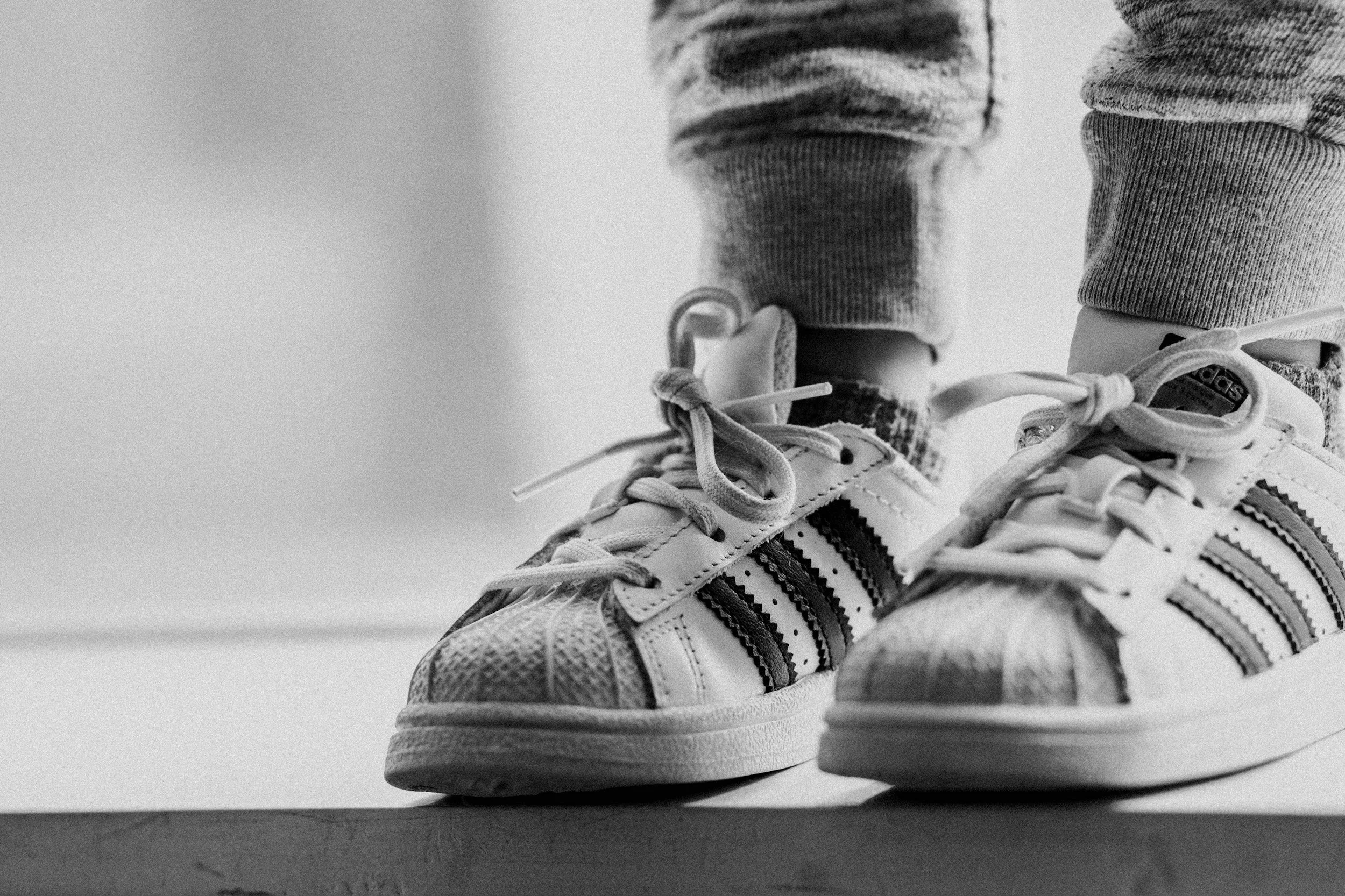
Every parent wants a pair of shoes that keeps a child safe, comfortable, and ready for adventure. Casual sneakers seem like a simple choice, but one detail often gets overlooked: the height of the shoe around the ankle. A low top, a mid top, or a high top can change how a child moves, plays, and even avoids injury.
Many parents pick everyday kids sneakers based on color or price alone, yet the height of the sneaker matters just as much. This article explains why sneaker height deserves a closer look before any purchase. With a few practical tips, any parent can make a smarter choice for their child’s daily wear.
Why Ankle Support Starts with the Right Height
A child’s ankle is still growing, and the bones and ligaments are not fully hardened. Low-top kids casual sneakers offer little support around the ankle, which can be fine for calm activities. However, active kids who run, jump, or climb need more stability from their footwear. Mid-top or high-top casual sneakers wrap around the ankle joint and provide gentle resistance against sudden twists. That extra layer of fabric and padding helps prevent the foot from rolling inward or outward during play. Parents who choose a taller sneaker give their child a simple shield against sprains and falls.
The Link Between Sneaker Height and Everyday Falls
Young children, especially those between the ages of three and seven, tend to trip often as they test their balance. Low-top sneakers leave the ankle exposed and free to move in unnatural ways during a stumble. A mid-height sneaker adds a small amount of structural guidance without feeling stiff or restrictive. High-top casual sneakers, when designed correctly, reduce the angle at which the ankle can bend sideways. This means a child who steps on a toy or a crack in the pavement has a better chance of staying upright. Fewer falls lead to fewer tears, fewer doctor visits, and more confidence in movement. Parents should watch how a child walks in different sneaker heights before deciding.
How Sneaker Height Affects a Child’s Natural Gait
A child’s walking pattern, or gait, develops over the years and can be shaped by footwear. Very high top sneakers that are too rigid may restrict the natural forward roll of the ankle. On the other hand, very low tops offer no resistance, which allows excessive side motion that can lead to poor habits. The ideal casual sneaker height for most children sits just above the ankle bone, not halfway up the calf. That zone provides a balance between protection and freedom. Parents can test this by having a child walk in sneakers of different heights on a flat surface. A smooth, natural stride without wobbling or stiffness signals the right choice.
Playing Surfaces and Seasonal Changes
Not every playground or backyard has a soft, even surface. Concrete, asphalt, wood chips, and wet grass all challenge a child’s stability in different ways. Low-top sneakers perform poorly on uneven ground because the ankle has to work alone to find balance. Mid-height sneakers share the workload between the foot and the lower leg muscles. During rainy or icy months, a taller sneaker also helps keep dirt and moisture out, which reduces slips from wet socks. Seasonal sports like autumn soccer or spring tag require sudden direction changes that a low top cannot handle well. Parents who consider where and when a child will wear the sneakers can match height to the real environment.
Long-Term Foot Health
Repeated ankle twists in childhood can lead to chronic weakness and instability in teenage years. A single bad sprain stretches the ligaments and makes future sprains more likely. Casual sneakers with a supportive height train the small stabilizing muscles around the ankle to work correctly. This muscle memory carries forward into other shoes, boots, or even barefoot walking. Children who wear properly fitted mid or high top sneakers for active play show better balance test scores. They also complain less about vague foot pain after long school days or weekend trips. Over several years, the simple choice of sneaker height adds up to stronger, more resilient feet.
When Low Tops Still Make Sense
Low-top casual sneakers are not always a bad choice, and they have their own place in a child’s wardrobe. For quiet activities like reading in class, riding in a car, or sitting at a desk, a low top is perfectly fine. Children with very strong ankles and no history of sprains can also wear low tops for light walking. Nevertheless, parents should check the heel area of any low-top sneaker before buying. A low top with a wide, flat heel base and a firm back counter offers better stability than a narrow, squishy one. If a child already trips more than twice a week, low tops are likely the wrong pick for daily wear.
Simple Tests to Check Sneaker Height Before You Pay
Parents do not need a medical degree to judge sneaker height correctly in a store or online. First, place the sneaker on a flat table and look at how high the collar reaches above the heel. Second, pinch the ankle padding between two fingers; a good sneaker has firm but flexible cushioning there. Third, slide a finger inside the back of the sneaker while the child wears it; the ankle bone should sit slightly below the top edge. Fourth, ask the child to stand on tiptoes; a proper height sneaker should not dig into the front of the ankle. Finally, watch the child take ten steps in the sneaker; any hesitation or wobble means the height is wrong. These five checks take two minutes but save months of discomfort.
Choosing everyday kids sneakers for a child involves more than style or brand recognition. The height of the sneaker around the ankle directly influences safety, balance, and long-term joint health. A thoughtful choice today means fewer limps, more confident steps, and happier playtimes tomorrow.
HOW DO YOU FEEL ABOUT FASHION?
COMMENT OR TAKE OUR PAGE READER SURVEY
Featured




Twelve times on input and twelve times on output is not a ratio you usually find inside a single vendor's lineup.