
Why Precision Surgical Techniques Are Transforming Modern Tooth Replacement Outcomes
PAGE
By PAGE Editor
Losing a permanent tooth changes more than your smile. When gaps remain untreated, shifting teeth, bite strain, and silent bone loss quickly complicate everyday eating and speaking. For decades, replacing missing teeth meant relying on visual estimates and traditional 2D X-rays.
Digital workflows, cone-beam computed tomography, and specialist-led protocols replace guesswork with measurable accuracy. You no longer have to settle for reactive repairs when modern surgical planning can rebuild your bite with lasting stability.
How Does Precision Placement Protect Your Jawbone and Support Osseointegration?
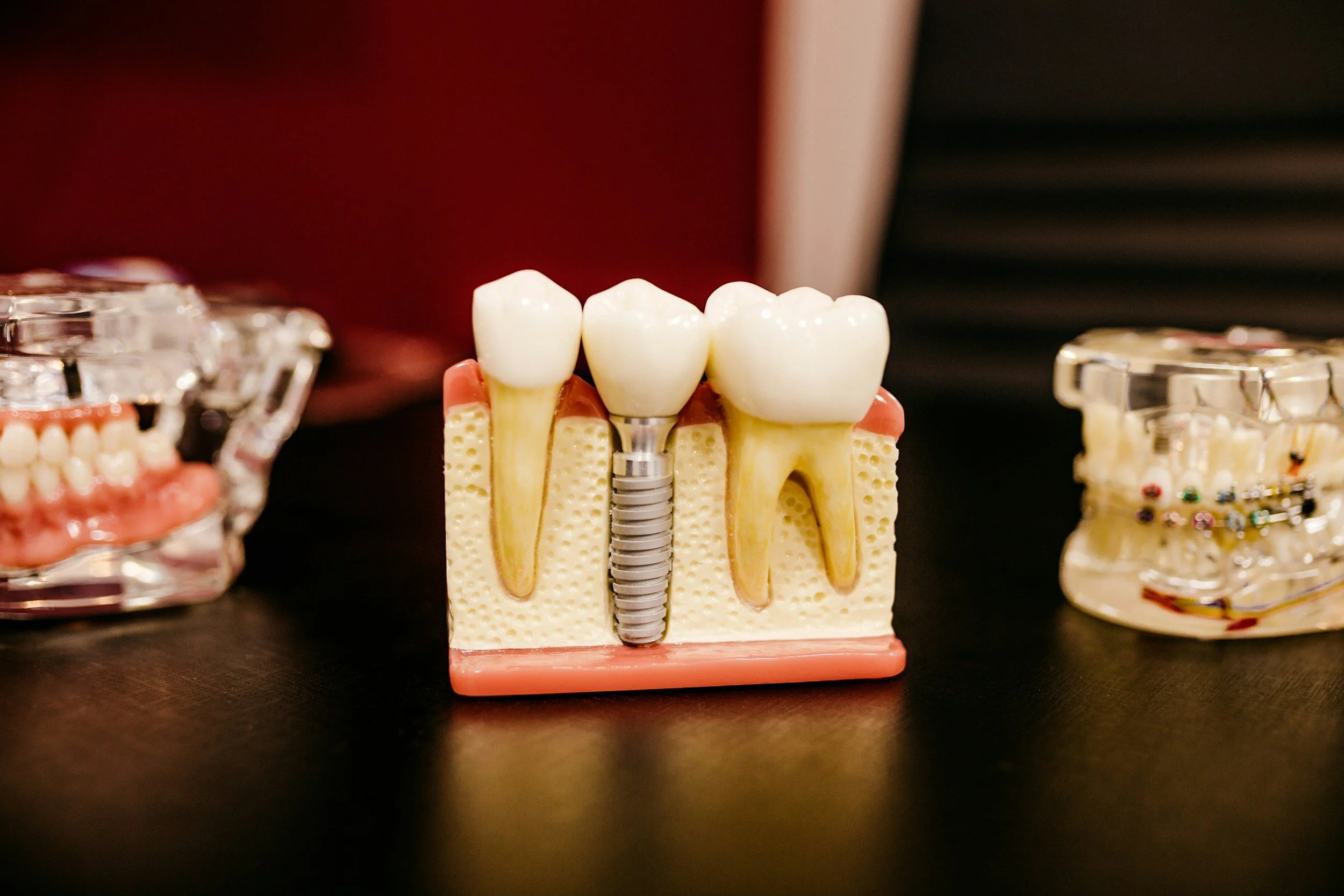
Your jawbone relies on steady chewing forces from natural tooth roots to stay dense and strong. Once a tooth disappears, the surrounding alveolar bone shrinks because it no longer receives daily mechanical stimulation. Placing a biocompatible titanium post into the ridge restores that stimulation, triggering a natural bonding process called osseointegration, where living bone fuses tightly to the implant surface.
Guided surgical placement protects this fragile tissue from unnecessary trauma. Your surgeon uses 3D scans to pinpoint the healthiest bone volume before your appointment begins. Preserving healthy bone walls and gum architecture gives your implant a rock-solid biological foundation from day one.
Why Do Provider Qualifications Matter in Surgical Diagnostic Planning?
Advanced imaging tools only deliver strong clinical results when a trained clinician knows how to interpret subtle anatomical variations. If you are considering tooth replacement in Montana, consulting experienced implant specialists Billings MT allows you to discuss your treatment options with a local care team familiar with your area's dental services. Your provider evaluates bone density, nerve pathways, and bite forces before touching a surgical instrument. This thorough diagnostic review catches hidden sinus issues or narrow bone ridges early. You gain a clear, customized surgical blueprint, not a generic estimate.
Qualified surgical providers map out your final tooth design before placing the post beneath your gums. Working backward from the finished crown position keeps your implant aligned with your natural bite mechanics. That careful preparation prevents uneven chewing pressure that could loosen hardware or irritate surrounding gum tissue years later.
What Separates Dedicated Surgical Planning From Generalized Placement?
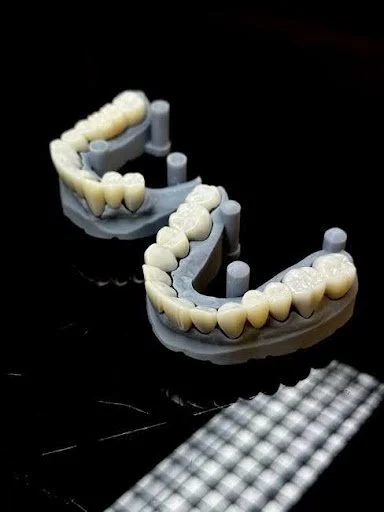
Generalized freehand placement depends on a clinician's visual judgment during the procedure. Small deviations in angle or depth can compromise how a crown sits against neighboring teeth or reduce contact with dense cortical bone. Dedicated surgical planning removes those variables by turning your cone-beam scan and digital intraoral impressions into a custom-fabricated surgical guide. When your surgical team pairs 3D diagnostics with computer-guided placement, you gain three distinct clinical advantages:
Map exact implant angles: Digital surgical guides lock drill depth and trajectory into place so your restoration aligns cleanly with opposing teeth.
Protect nearby anatomical structures: 3D planning keeps surgical instruments safely away from sensory nerves and sinus cavities.
Shorten recovery and swelling: Minimally invasive incisions reduce soft-tissue trauma, bleeding, and post-procedure soreness.
How Can You Maximize Restoration Durability Across Every Life Stage?
A successful dental implant should serve your health comfortably through every decade of adulthood. Because bite strength, gum contours, and systemic health shift as you age, durable restorations require balanced load distribution and cleanable crown margins. Precision placement positions the implant post beneath the center of chewing forces, protecting both the titanium fixture and your adjacent teeth from overload.
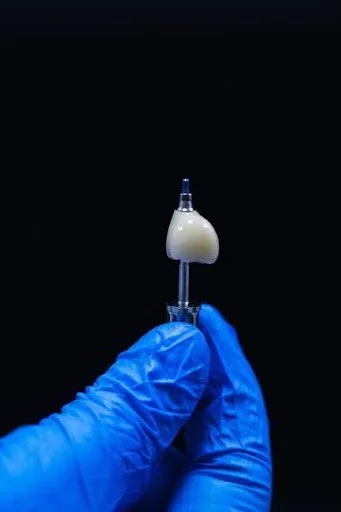
Long-term success depends on how you care for the two distinct parts of your restoration. Guidance from the Cleveland Clinic notes that titanium implant posts frequently remain functional for decades when you maintain consistent daily oral hygiene and routine checkups, while visible prosthetic crowns or bridges typically require replacement after roughly 15 years and implant-supported dentures after seven years or more.
Choosing tooth replacement is a major decision for your daily comfort and long-term oral health. Prioritize thorough diagnostic imaging and proven surgical training. When skilled execution guides every phase of your care, your restored smile delivers reliable strength.
HOW DO YOU FEEL ABOUT FASHION?
COMMENT OR TAKE OUR PAGE READER SURVEY
Featured




Mental health is an important part of everyday life. It affects how people think, feel, behave, and handle daily responsibilities.