
Why Sculptural Hardware Is Becoming a Signature Detail in Fashion Accessories?
PAGE
By PAGE Editor
Even though simple, minimalist design is still popular, many people now want more interesting details on their accessories, like buckles, clasps, handles and zipper pullers. These small parts help them show their personal taste and even recognise a brand.
Instead of blending into the design, distinctive fashion accessories are now part of the creative design, which shape the look of a bag, stand out on a belt, or make a pair of shoes instantly recognisable.
For designers, sculptural hardware is a useful way to add identity, texture and craftsmanship in one detail, creating a clear focal point without relying on big logos.
What Is Sculptural Hardware in Fashion?
Sculptural hardware is a functional component that also stands out as a clear three-dimensional feature. It still closes, connects, supports or adjusts the product, but its shape, outline and surface receive the same care as the rest of the design.
The result can be sharp and geometric, softly curved, oversized, asymmetrical, or more natural and hand-shaped.
In fashion, sculptural hardware can take many forms: a buckle that wraps around a belt, a clasp that holds a bag flap in place, a rigid handle that becomes part of the overall shape, or a zipper puller that moves like a piece of jewellery.
Similar details also appear on shoes, outerwear and waistbands. Their impact depends on how the piece meets leather, fabric or synthetic material, and on whether it feels built into the design rather than stuck on as decoration.
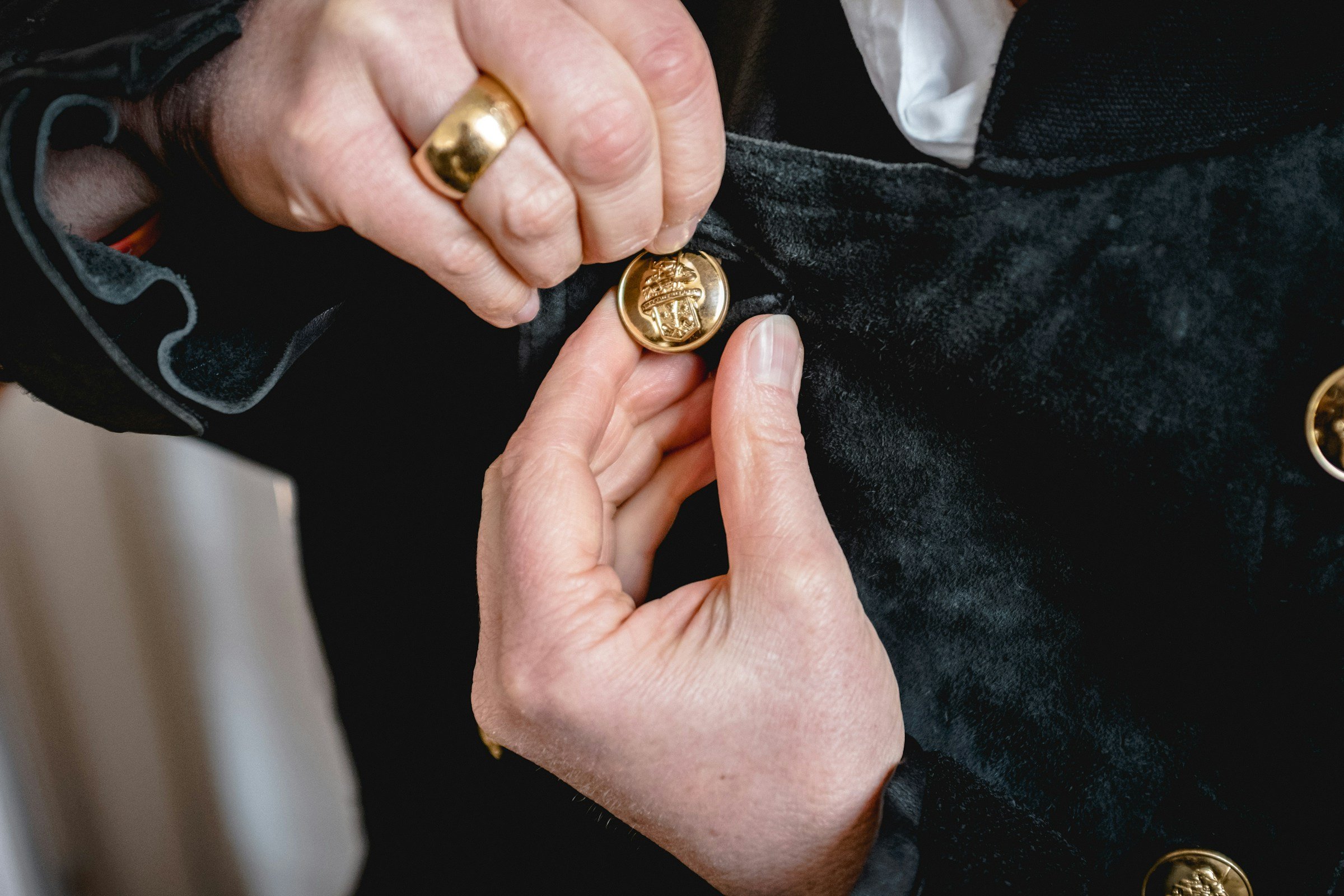
Designers who want distinctive buckles often work with specialist manufacturers, such as Frameless Asia Pacific, to create fully custom shapes, finishes and fastening systems that suit the final product.
Why Is Sculptural Hardware Becoming a Signature Detail?
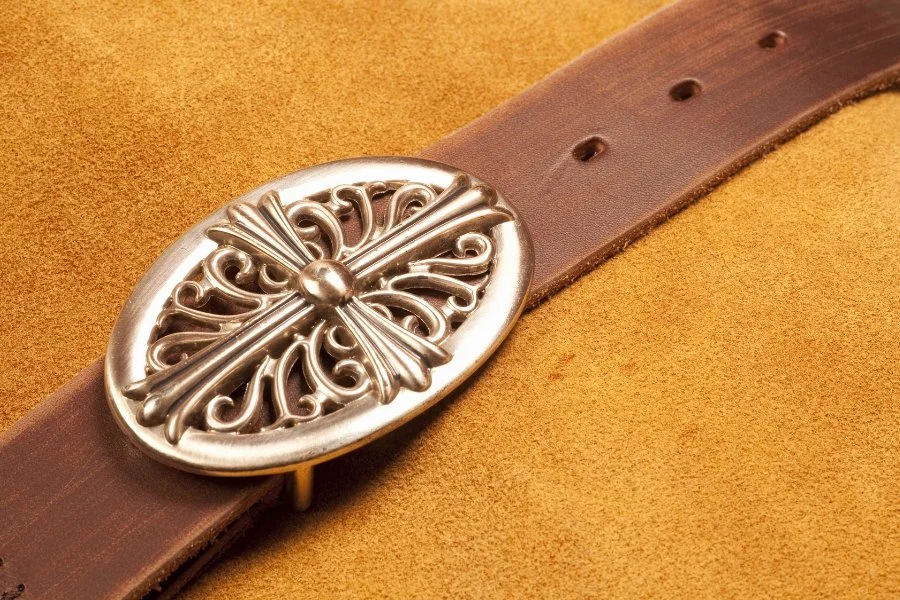
Sculptural hardware adds a strong design feature to a useful component. Not only does it help build brand identity through its shape, but it also gives a simple accessory a clear focal point and makes the product more interesting to hold and use.
When the weight, movement and finish are carefully done, the hardware can also make the item feel more valuable and show good craftsmanship, even before anyone notices a logo.
Turning Functional Components Into Wearable Art
A closure does not have to look ordinary: clasps can become interlocking curves, handles can form continuous metal shapes, and custom buckles can be designed as abstract frames or small organic forms. These choices turn opening, carrying or adjusting into part of the overall look.
On a bag, belt or shoe, the hardware can become the main design focus, with the material, stitching and proportions arranged around it.
Elevating Minimalist Designs With a Focal Point
Minimal silhouettes leave little room for weak details, so one bold component becomes especially powerful.
A polished clasp can sharpen a soft leather pouch; an oversized buckle can add interest to a plain belt; a curved handle can give a simple bag its whole character.
Used this way, statement hardware does not need extra decoration. One well-shaped piece can set the mood, create contrast and give the product an elevated design detail.
Creating Brand Identity Without Prominent Logos
Repeated shapes, proportions and finishes can become recognisable across collections even without a brand name. A particular oval, folded edge, asymmetrical bar or brushed surface can appear again and again on bags, belts and shoes as a quiet visual signature.
In this way, designer hardware can work like a three-dimensional logo. The signature feels built into the product because it still does a real job, while giving customers a consistent form to recognise over time.
Enhancing Tactile Appeal and Perceived Value
Hardware is felt as well as seen. Its weight affects balance; its edges affect comfort; the way it moves decides whether opening a clasp feels precise or awkward.
Texture, temperature and finish also influence the sense of quality. A well-made component should move smoothly, fit the material cleanly and keep its surface after repeated use. These physical details can strengthen the feeling of care and durability. Poor plating, loose parts or excessive weight, on the other hand, can weaken an otherwise refined accessory.
How Should Designers Develop Sculptural Hardware?
Hardware development should start at the same time as the accessory design, not after the silhouette, materials and construction are already decided.
Working on both together helps designers and technical teams balance the look with the right size, weight, edge safety, movement, attachment strength and how well it works with the chosen leather or fabric.
The mechanism still needs to be easy to use and reliable, even if the outer shape is unconventional.
Prototypes should be reviewed at the intended size and attached to a representative product sample. Teams need to see how the component sits when the product is worn or carried, whether it pulls or distorts the material, and how it performs after repeated opening, closing and impact.
Finish samples should be tested through actual handling and wear, not just by looking at the colour. By developing the form, mechanism and attachment together, designers can create hardware that feels sculptural because it truly belongs to the product — not simply because it has been made larger.
HOW DO YOU FEEL ABOUT FASHION?
COMMENT OR TAKE OUR PAGE READER SURVEY
Featured



For many people, the end of the workday does not always mean the beginning of recovery.