
Why Smart Home Appliances Are Influencing Modern Interior Design Trends
PAGE
By PAGE Editor
Smart home technology has become a major influence in the way modern homes are planned, decorated, and renovated. As homeowners continue investing in connected living spaces, the demand for skilled professionals who understand installation standards has also increased, which is why many people researching appliance installer licensing courses in Texas are looking for training that covers modern residential appliance systems and smart home integration. Interior designers are now considering how appliances fit into the overall visual experience of a home rather than treating them as simple functional additions.
Smart Appliances Are Changing Kitchen Design
The kitchen remains the most technology-focused space in modern homes. Designers now prioritize appliance placement much earlier in the planning process because smart refrigerators, built-in coffee systems, and connected cooking appliances often require customized spacing and integrated layouts.
Modern kitchens are increasingly designed around clean lines and hidden technology. Appliance manufacturers are creating sleek finishes, panel-ready surfaces, and minimalist controls that blend seamlessly into cabinetry, allowing kitchens to appear more organized and visually balanced while still offering advanced functionality.
Homeowners are also choosing larger appliance setups that support multitasking and convenience. Double ovens, smart dishwashers, and connected ventilation systems require thoughtful planning to ensure that the kitchen remains both practical and visually appealing.
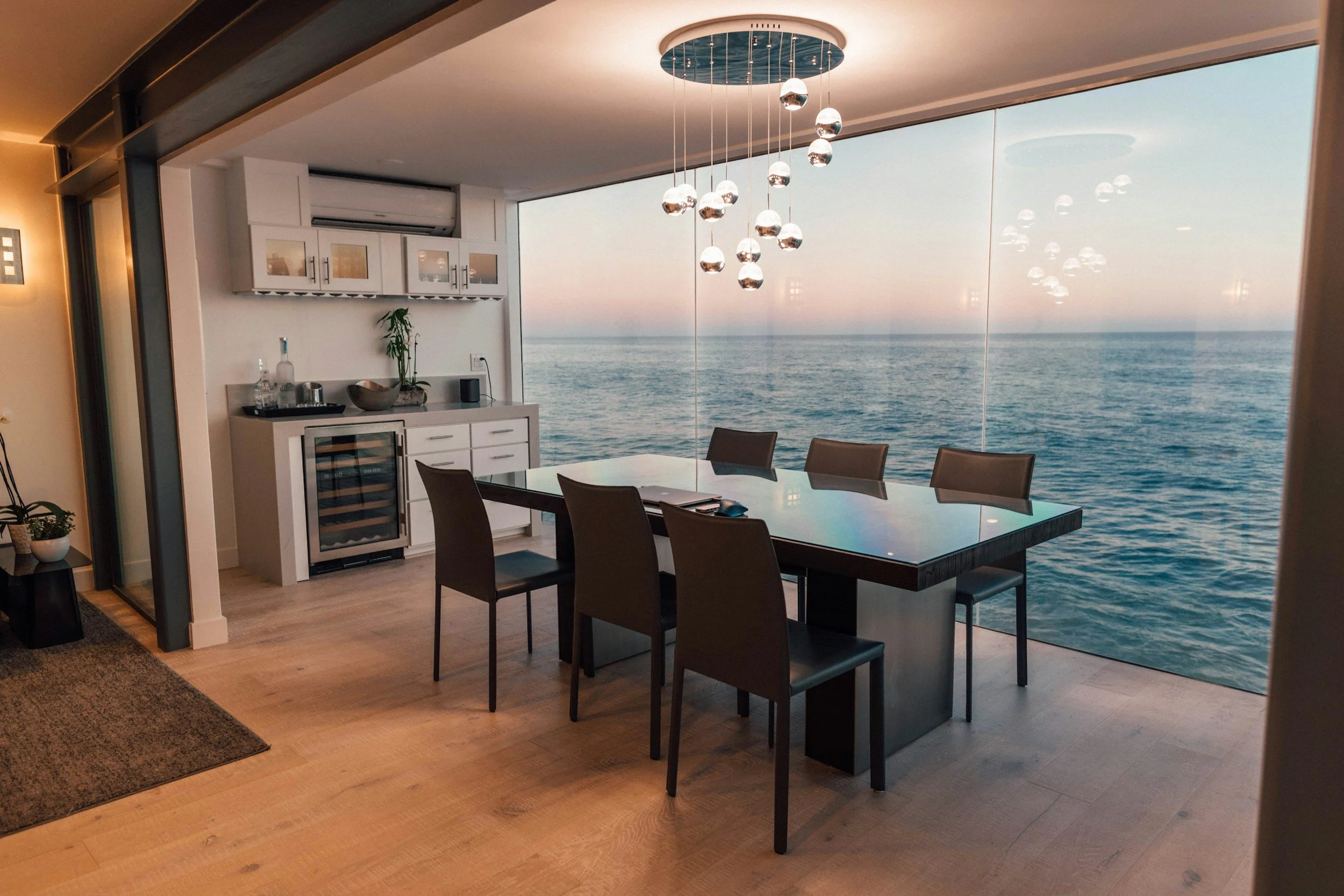
This has encouraged designers to focus more heavily on flow and usability. Open-concept kitchens now depend on appliances that complement surrounding furniture, flooring, and lighting instead of standing out as separate, industrial-looking features.
Technology Is Influencing Minimalist Interior Trends
One of the biggest reasons smart appliances are affecting interior design is the growing popularity of minimalist living. Homeowners want spaces that feel calm, clean, and uncluttered, and modern appliances help support that goal through hidden controls, wireless functionality, and compact integration.
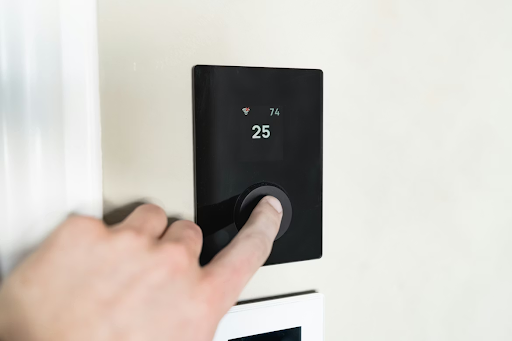
Voice assistants and smartphone controls reduce the need for visible switches, timers, and bulky control panels. As a result, designers are creating spaces with smoother surfaces and fewer visual interruptions, helping rooms appear larger and more refined.
Smart appliances also reduce the need for excessive storage or additional equipment. Multifunction appliances can handle several tasks at once, allowing designers to create more open floor plans with less visual congestion.
This approach aligns with modern Texas home design trends that emphasize simplicity and comfort. Many new residential developments are now incorporating built-in smart systems from the start, making technology a natural part of the home rather than an afterthought.
Energy Efficiency Has Become Part of Interior Planning
Sustainability is another reason smart appliances are influencing interior design decisions. Many homeowners are actively searching for energy-efficient systems that lower utility costs while supporting environmentally conscious lifestyles.
Smart appliances help homeowners monitor electricity and water usage in real time. This has encouraged designers to incorporate eco-friendly layouts that support better airflow, natural lighting, and energy-saving appliance placement throughout the home.
Interior designers are also selecting materials and finishes that complement sustainable living concepts. Natural wood tones, recycled materials, and lighter color palettes are often paired with energy-efficient appliances to create spaces that feel modern while supporting long-term environmental goals.
In Texas, where temperatures can become extreme during certain seasons, smart climate-control systems and efficient appliances are especially important. Homeowners increasingly value homes that combine modern design with technology that improves comfort and reduces energy waste.
Smart Homes Are Creating New Design Expectations
As smart appliances become more common, homeowners are developing entirely new expectations about how homes should function. Convenience is now viewed as an essential part of good design rather than simply an added bonus.
Interior spaces are being planned around charging stations, wireless connectivity, and integrated control systems. Designers must now think about where homeowners interact with technology throughout the day and how appliances contribute to a smoother daily routine.
This shift has also changed the relationship between designers, builders, and installation professionals. Proper installation is critical because smart appliances often rely on precise electrical connections, ventilation requirements, and network integration to function correctly.
As a result, homes are becoming more collaborative projects where technology and design work together from the beginning. The appearance of a space is still important, but homeowners now expect their homes to deliver comfort, efficiency, and intelligent functionality at the same time.
Conclusion
Smart home appliances are no longer simple household tools hidden in the background of residential design. They have become central elements that shape layouts, influence visual trends, and redefine how homeowners experience comfort and convenience in modern living spaces. From sleek minimalist kitchens to energy-efficient smart systems, technology continues to influence nearly every aspect of interior design.
As these technologies continue evolving, the connection between appliance functionality and home aesthetics will likely grow even stronger. Designers, builders, and installation professionals in Texas are adapting to a future where smart appliances are fully integrated into the identity of the modern home, creating spaces that are both visually appealing and highly functional.
HOW DO YOU FEEL ABOUT FASHION?
COMMENT OR TAKE OUR PAGE READER SURVEY
Featured


Video is no longer optional for marketing teams, e-commerce brands, and solo creators.