
3D Printed Shoes vs. Traditional Shoes: What's the Difference?

PAGE
By PAGE Editor
Shoes have come a long way. For decades, the way footwear was made barely changed: layers of material, glued or stitched together, rolled off a factory line. Then 3D printing entered the picture and changed how shoes are actually built. If you have heard the term but are not sure what it means for your feet, this article breaks it down. We are comparing 3D printed shoes and traditional shoes across what actually matters: materials, comfort, durability, and more. By the end, you will know exactly which one makes more sense for you.
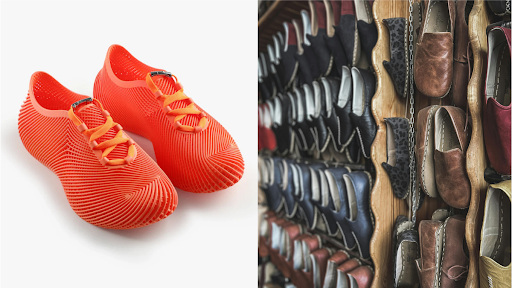
What Are 3D Printed Shoes?
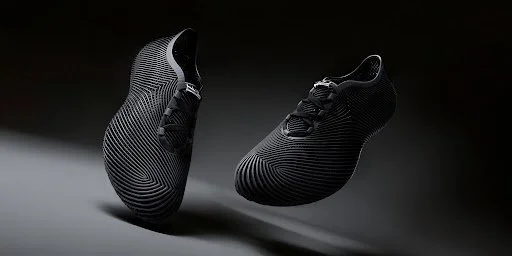
3D printed shoes are built using additive manufacturing. Instead of cutting and assembling different materials, a machine prints the shoe structure layer by layer from a digital design. The result is a single, continuous structure with no glue holding it together.
The material used is typically a flexible polymer engineered to be soft, firm, or somewhere in between
Because the structure is printed rather than assembled, designs can include open lattices and precise cushioning zones
These design features are impossible to achieve with traditional manufacturing methods
The whole process starts with a digital file. Every detail of the shoe, the thickness of the sole, the density of the lattice, and the shape of the footbed are designed before a single gram of material is used. That level of precision is something traditional manufacturing simply cannot match. Brands like Nexbie are already using this technology to build shoes.
What Are Traditional Shoes?
Traditional shoes are made by cutting separate components: the upper, midsole, outsole, and lining. Then they are bonded together using adhesives, stitching, or both. Most use materials like EVA foam, rubber, leather, or synthetic fabrics.
The process has been refined over decades, and it produces shoes people are familiar with. But it comes with real limitations:
Glue-based assembly weakens over time
Foam compresses and loses its shape after months of regular use
Layered construction traps heat and moisture inside the shoe
Offcuts and chemical adhesives create significant manufacturing waste

3D Printed Shoes vs. Traditional Shoes: A Comparison
Here’s how 3D printed shoes and traditional shoes compare across the factors that matter most.
Construction
Traditional shoes are assembled from multiple parts bonded together. Over time, that bonding weakens, soles peel, and layers separate. A 3D-printed shoe is one continuous piece. There are no seams to split and no glue to fail. The structural integrity stays consistent because the whole shoe was built as one unit from the start.
Weight
EVA foam and rubber soles add up. Traditional shoes tend to be heavier because of the layered materials involved. 3D-printed shoes use open lattice structures that remove material where it is not needed. Less material means less weight without sacrificing support. For long days on your feet, that difference is felt.
Breathability
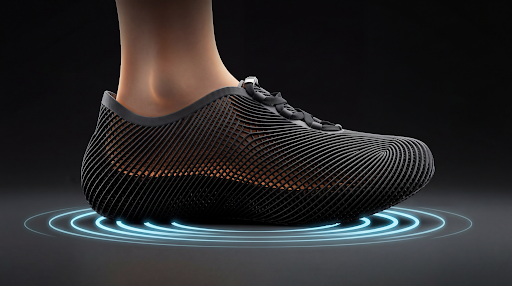
Most traditional shoes trap heat. The foam and fabric layers do not allow much airflow, and moisture builds up inside. 3D-printed shoes like Aeriscape 3D-printed sneakers from Nexbie are designed with open structures that let air move freely around the foot. For everyday wear, especially in warm weather, that difference is very noticeable after a few hours.
Durability
The foam in traditional shoes compresses over months and deforms permanently. 3D-printed shoes are made from flexible polymers that retain their shape. They do not compress the same way foam does, and the one-piece construction means there is nothing to come apart over time.
Sustainability
Traditional shoemaking produces a lot of waste, offcuts of material sheets, chemical adhesives, and excess components. 3D printing uses only the material that is required for the design, nothing more. Many of the 3D-printed shoes are also made of materials not contain EVA and PVC. It’s a cleaner, more efficient process from start to finish.
Nexbie 3D Printed Footwear for All-Day Comfort
Nexbie creates 3D sneakers using HALS 3D printing, a DLP-based manufacturing technology built on the engineering expertise of Creality. This approach combines advanced design freedom with durable, everyday comfort.
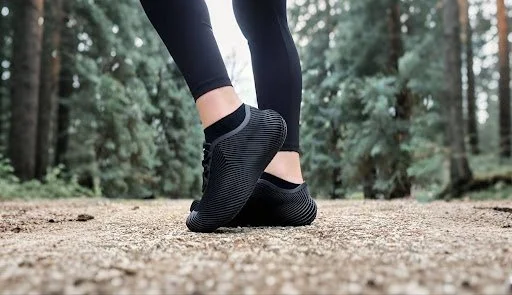
Material: Made from ELASTO 1000, a flexible, skin-friendly polymer that is free from EVA and PVC and compliant with EU REACH and US Proposition 65 standards.
One-Piece Construction: Each shoe is printed as a single structure with no glue, stitching, or assembly points that can weaken over time.
Breathable Lattice Design: The open-cell geometry enhances airflow, reduces weight, and helps keep feet comfortable throughout the day.
Easy Care: Machine washable for simple, low-maintenance cleaning.
Built for Daily Wear: Unlike conventional foam-based footwear that can compress and lose support, the 3D printed structure is engineered to maintain its shape and cushioning over extended use.
By combining innovative materials with precision 3D printing, Nexbie delivers lightweight, breathable footwear designed for lasting comfort and everyday performance.
Conclusion
3D-printed shoes are made differently from traditional shoes, and you can tell by the way they feel and how long they last. Traditional shoes feel familiar, but they have real limitations: heat buildup, foam breakdown, and construction with glue that wears out faster than it should. 3D-printed shoes address those issues structurally rather than trying to work around them. The technology is no longer in the experimental stage. It’s here, it works, and if you want smarter footwear, it’s worth understanding what’s actually inside the shoe you’re wearing.
HOW DO YOU FEEL ABOUT FASHION?
COMMENT OR TAKE OUR PAGE READER SURVEY
Featured





Your users don't all run the same phone, OS version or browser.