
Advanced Sewer Camera Inspection Services for Accurate Underground Pipe Diagnosis
PAGE
By PAGE Editor
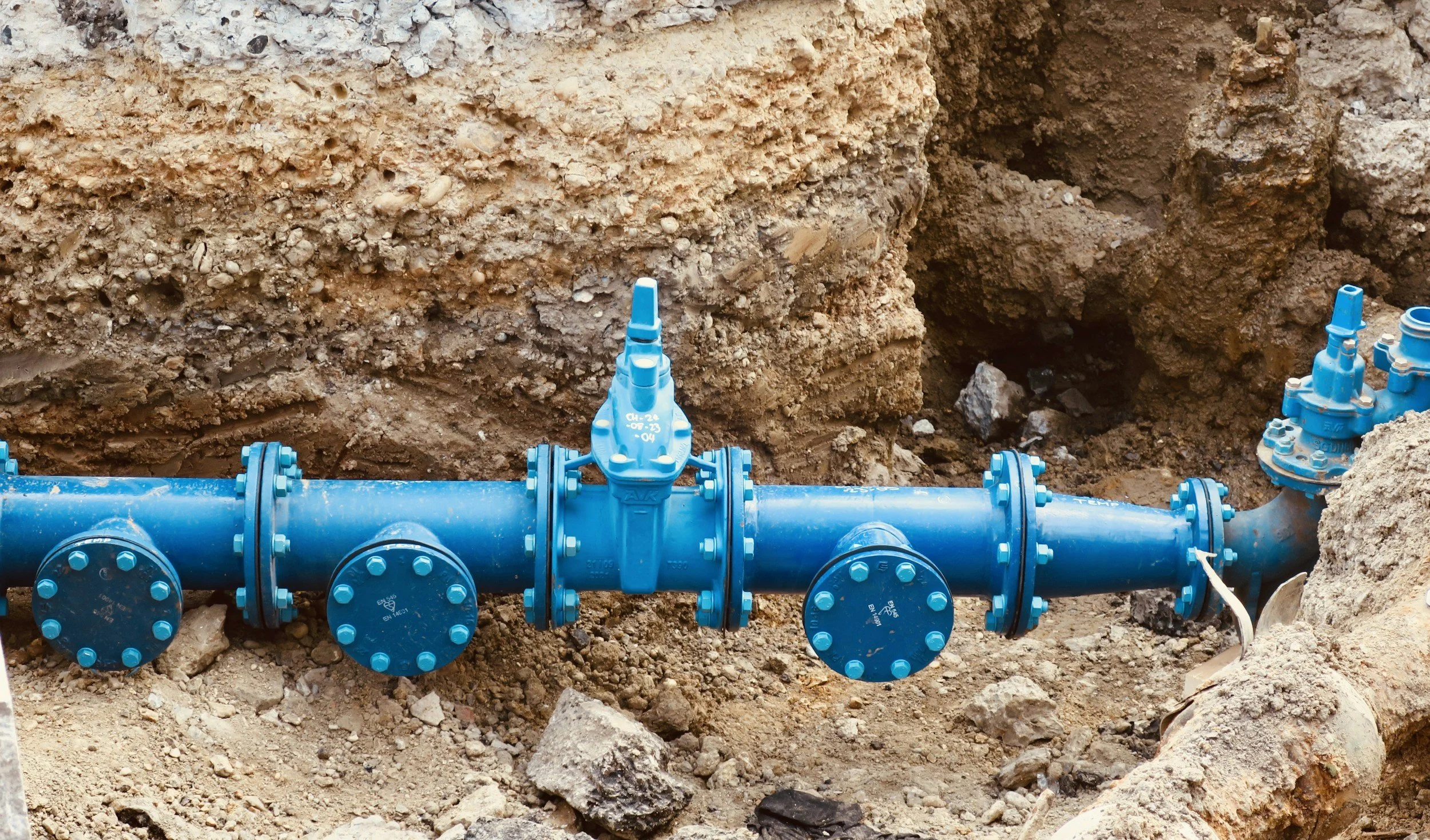
Hidden beneath every home, commercial building, and urban street is a complex network of sewer and drainage lines that quietly transport wastewater away from properties. These underground systems are essential for sanitation, hygiene, and environmental safety, yet they are often ignored until something goes wrong. When problems such as blockages, leaks, root intrusion, or pipe collapse occur, locating the exact cause can be challenging without specialized tools. This is where sewer camera inspection has transformed modern plumbing diagnostics by allowing professionals to visually examine the inside of underground pipes with precision and accuracy.
Unlike traditional methods that rely on guesswork or invasive digging, this technology provides real-time visual access to the interior of sewer lines. It allows technicians to identify problems quickly, reduce unnecessary excavation, and develop targeted repair solutions. As a result, it has become one of the most valuable tools in modern plumbing maintenance and infrastructure management.
Understanding How Sewer Systems Work Underground
Sewer systems are designed to carry wastewater from buildings to municipal treatment facilities or septic systems. These underground pipes rely primarily on gravity to move waste efficiently. Proper slope, pipe diameter, and material selection are essential for ensuring smooth flow and preventing buildup.
Over time, however, sewer lines can become compromised due to aging materials, environmental pressure, shifting soil, or root intrusion from nearby trees. Even small cracks or misalignments can gradually develop into serious issues if not detected early.
Because these systems are buried underground, problems are often hidden until they cause visible symptoms such as slow drains, foul odors, sewage backups, or wet patches in the yard. Identifying the exact location and cause of these issues requires specialized diagnostic tools, making sewer camera inspection an essential part of modern plumbing assessment.
What Sewer Camera Inspection Actually Is
Sewer camera inspection is a diagnostic process that uses a flexible, waterproof camera attached to a long cable to explore the inside of underground pipes. The camera is carefully inserted into the sewer line through an access point such as a cleanout or drain opening.
As the camera moves through the pipe, it transmits live video footage to a monitor, allowing technicians to see the condition of the pipe in real time. This visual inspection reveals blockages, cracks, corrosion, misaligned joints, root intrusion, and other structural issues that may not be detectable through external observation.
The camera is typically equipped with LED lighting to illuminate dark pipe interiors and provide clear visibility even in complete darkness. Some advanced systems also include location tracking features that help identify the exact position of problems underground.
Why Sewer Camera Inspection Is So Important
One of the biggest challenges in plumbing repair is accurately identifying the source of a problem. Without visual confirmation, technicians may need to rely on assumptions, which can lead to unnecessary digging or ineffective repairs.
Sewer camera inspection eliminates this uncertainty by providing direct visual evidence of pipe conditions. This allows professionals to pinpoint issues precisely, reducing both repair time and cost.
It also helps prevent unnecessary property damage. Instead of excavating large sections of a yard or flooring to locate a problem, technicians can identify the exact location and focus repairs only where needed.In addition, this method supports preventive maintenance by detecting early signs of deterioration before they become major failures.
Sewer camera inspections can reveal a wide range of issues that affect underground plumbing systems. One of the most common problems is root intrusion. Tree roots naturally seek moisture and can enter sewer pipes through small cracks or loose joints. Once inside, they expand and block wastewater flow.
Another frequent issue is pipe corrosion or deterioration. Older pipes made from materials such as clay, cast iron, or outdated plastics may weaken over time due to environmental exposure and chemical reactions.Blockages caused by grease, debris, or foreign objects are also commonly identified. These obstructions can restrict flow and lead to backups if not removed promptly.
Misaligned or collapsed pipes are more severe issues that can cause complete system failure. Soil movement, heavy loads above ground, or aging infrastructure can contribute to these structural problems.Through sewer camera inspection, these issues can be clearly identified and documented for repair planning.
The Step-by-Step Inspection Process
The inspection process begins with locating an access point to the sewer system. This is usually a cleanout pipe or an exposed entry point that allows the camera to be inserted safely.
Once the camera is introduced into the pipe, it is slowly guided through the sewer line. The technician monitors the live video feed, carefully observing the condition of the pipe walls, joints, and flow pathways.
As the camera moves forward, it records footage and may mark specific locations where issues are detected. This helps create a detailed map of the sewer line’s condition.If necessary, the camera can be maneuvered around bends and junctions to inspect different sections of the system. After the inspection is complete, the footage is reviewed to determine the severity of any identified problems and to plan appropriate repairs.
Benefits of Using Camera-Based Diagnostics
One of the most significant benefits of this technology is accuracy. Instead of relying on external symptoms, technicians can see exactly what is happening inside the pipe. This reduces guesswork and improves repair efficiency.It is also highly cost-effective. By identifying the precise location of a problem, unnecessary excavation is avoided, saving both time and money.
Another major advantage is speed. Traditional diagnostic methods can take hours or days, while sewer camera inspection provides immediate visual feedback.Additionally, it supports long-term maintenance planning. Property owners can use inspection reports to monitor pipe conditions over time and schedule repairs before major issues develop.
Many serious sewer problems begin as small, unnoticed issues. A minor crack, slight misalignment, or partial blockage may not immediately affect system performance but can worsen over time.
Without early detection, these issues can escalate into full pipe collapse, sewage backups, or extensive property damage. Preventing such outcomes requires proactive inspection and maintenance.By using sewer camera inspection, technicians can identify early warning signs and recommend preventive measures. This approach helps extend the lifespan of underground systems and reduces the risk of emergency repairs.
Applications in Residential and Commercial Properties
Sewer inspections are valuable in both residential and commercial settings. In homes, they are often used to diagnose recurring drain problems, assess aging plumbing systems, or evaluate pipes before property purchases.
In commercial and industrial environments, sewer systems handle significantly larger volumes of wastewater. Regular inspections are essential to ensure compliance with health regulations and to prevent operational disruptions.Municipal systems also rely on this technology to monitor public infrastructure, identify damaged pipelines, and plan maintenance across large networks.
Limitations and Considerations of Inspection Technology
While sewer camera inspection is highly effective, it does have certain limitations. Extremely severe blockages may prevent the camera from passing through the entire pipe. In such cases, partial inspection may be required before clearing the obstruction.
Very long or complex pipe systems may also require multiple entry points to achieve full coverage. Additionally, while cameras can identify problems, they do not repair them; separate intervention is required for resolution.Despite these limitations, the technology remains one of the most reliable diagnostic tools available in modern plumbing.
Role in Modern Preventive Maintenance
Preventive maintenance is becoming increasingly important in property management, and sewer inspection plays a central role in this approach. Rather than waiting for problems to occur, property owners can schedule periodic inspections to monitor system health.
This allows early intervention before minor issues develop into costly emergencies. It also helps extend the life of existing infrastructure and reduce long-term maintenance expenses.In this way, sewer camera inspection supports a shift from reactive repair to proactive system management
Modern inspection systems continue to evolve with improvements in camera resolution, flexibility, and data analysis. High-definition imaging allows for clearer visualization of pipe conditions, while digital recording enables detailed reporting and documentation.Some systems now include GPS mapping and sensor-based tracking, which help create accurate underground maps of sewer networks. These advancements make it easier to plan repairs and manage large infrastructure systems efficiently.
As technology continues to improve, sewer diagnostics are becoming more precise, efficient, and accessible.
Environmental and Infrastructure Benefits
Proper sewer maintenance has a direct impact on environmental protection. Undetected leaks or pipe failures can lead to wastewater contamination in soil and groundwater. Early detection through inspection helps prevent these issues and supports environmental safety.
Efficient sewer systems also reduce the risk of overflows during heavy rainfall or high usage periods. This contributes to cleaner urban environments and better public health outcomes.From an infrastructure perspective, regular inspection helps extend the lifespan of underground systems and reduces the need for large-scale replacements.
Conclusion: Clarity Beneath the Ground for Smarter Maintenance
Underground plumbing systems are essential to modern living, yet their hidden nature makes them difficult to manage without advanced tools. Over time, wear, blockages, and structural damage can develop silently, leading to serious problems if left undetected.
Sewer camera inspection provides a clear and accurate way to see inside these hidden systems, allowing professionals to diagnose issues quickly and plan effective solutions. By reducing guesswork, minimizing excavation, and enabling early detection, it has become an indispensable tool in modern plumbing maintenance.
Ultimately, this technology represents a shift toward smarter, more efficient infrastructure care ensuring that what lies beneath the surface remains reliable, functional, and well-maintained for years to come.
HOW DO YOU FEEL ABOUT FASHION?
COMMENT OR TAKE OUR PAGE READER SURVEY
Featured




Finding the right job in human resources or recruitment can take time, especially when you're searching online.