
AI Overviews Are Changing Where People Look: What Eye-Tracking Research Reveals
PAGE
By PAGE Editor
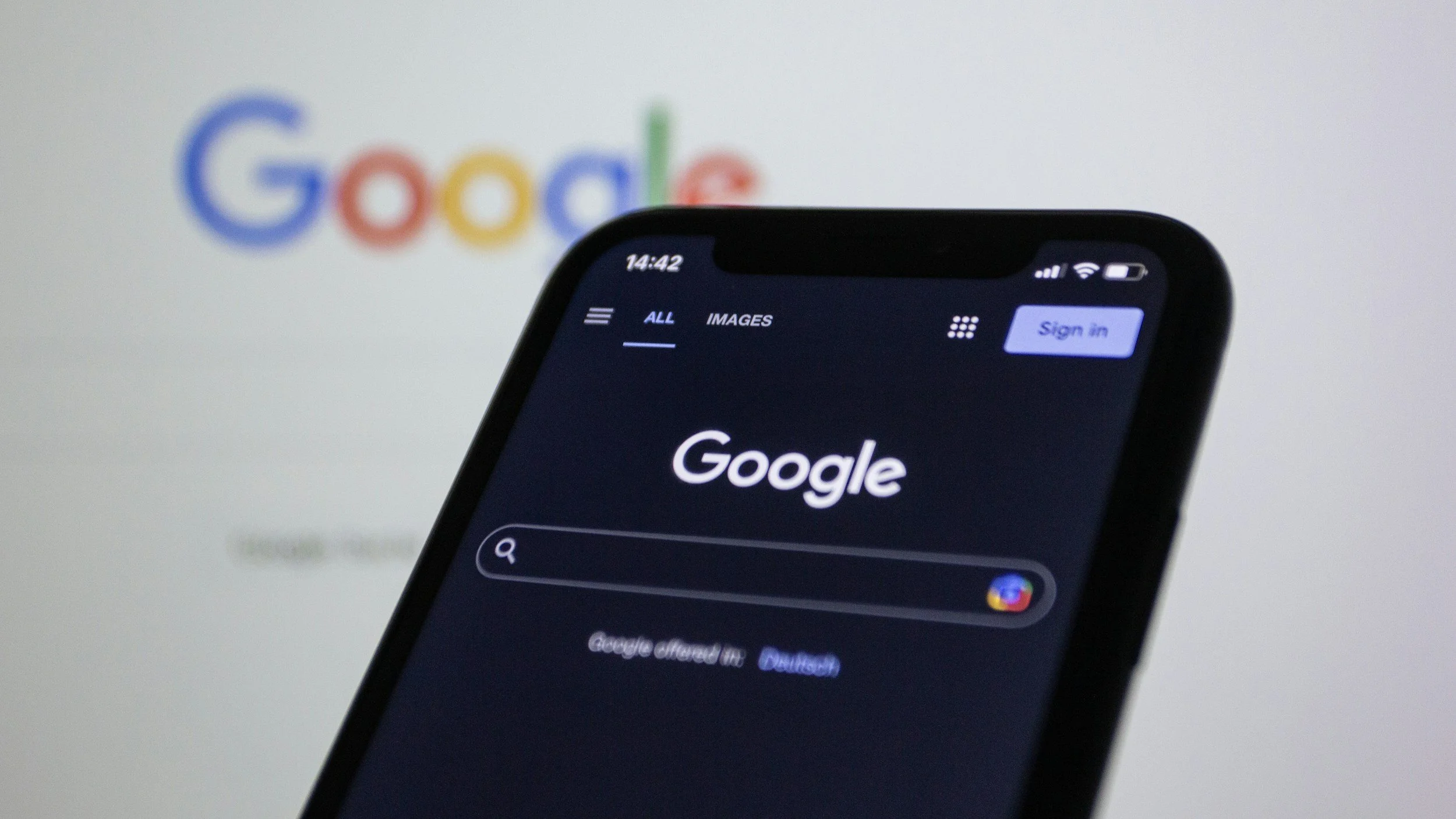
Google’s AI Overviews place generated summaries above or among conventional search results. Eye-tracking and behavioral research shows that this interface changes the distribution of visual attention on search engine results pages. The effect can be measured through gaze location, scrolling, clicks, and time spent examining different parts of the page.
Research published in 2026 by Microsoft researchers Sara Allawati, Dana McKay, Mark Sanderson, Paul Thomas, and Johanne R. Trippas used laboratory eye tracking to examine search interfaces in which generative AI content appeared above traditionally ranked results. The researchers found that users engaged significantly more with generative AI content while continuing to examine conventional blue links. The established “golden triangle” pattern also remained: the upper-left area of the results page received substantial visual attention.
AI Overviews Capture Attention at Their Position
A 2025 eye-tracking study by German UX research company usability.de recorded 33 participants completing five search tasks. Participants ranged from 21 to 71 years old, with an average age of 37.
The study varied the location of the AI Overview. When the overview appeared at the top of the page, participants’ first gaze was directed toward it. When it appeared farther down the page, search elements positioned above it received attention first. The results demonstrate that vertical placement affects which search element receives the earliest visual attention.
The same study reported several measured behaviors:
55% of participants read the AI-generated summary.
About two-thirds continued by clicking another result.
Most subsequent clicks went to organic search results.
Approximately 20% of searches ended without any click.
For simple factual queries, the no-click rate reached 36.4%.
Sources displayed beside the AI Overview accounted for 7% of first clicks.
The findings distinguish attention from clicking. An AI Overview can receive visual attention without generating a click on one of its cited sources.
Traditional Results Still Receive Visual Attention
Eye-tracking evidence does not show that AI Overviews eliminate attention to conventional results. The Microsoft study found continued engagement with blue links in patterns consistent with earlier search-behavior research. At the same time, generative AI content received significantly more engagement when included in the interface.
This creates a results page containing multiple attention targets: the generated answer, citations attached to that answer, organic listings, and other Google search features.
For businesses, visibility can therefore occur before a searcher reaches a website. A company may be encountered through its brand name, page title, domain, snippet, or an AI-generated reference. Domain identity remains one element available for recognition in search results; businesses can register .com domains for websites using the .com generic top-level domain.
Click Data Shows a Difference When AI Summaries Appear
Large-scale browsing data provides a second measurement of behavior. Pew Research Center analyzed 68,879 unique Google searches conducted by 900 U.S. adults during March 2025. AI summaries appeared in 12,593 of those searches. Overall, 18% of the Google searches in the dataset generated an AI summary.
The presence of an AI summary was associated with lower click rates:
A traditional search result received a click on 8% of visits containing an AI summary.
Traditional results received clicks on 15% of visits without an AI summary.
A link included directly in an AI summary received a click on 1% of visits containing a summary.
Browsing sessions ended after 26% of search pages containing an AI summary.
Sessions ended after 16% of pages containing only traditional search results.
These figures describe observed behavior and do not establish that AI summaries caused every difference between the two groups of searches.
Longer Queries Produce AI Summaries More Frequently
Pew’s dataset also identified differences by query structure. Only 8% of searches containing one or two words produced an AI summary. Among searches containing 10 words or more, 53% generated one. AI summaries appeared for 60% of queries beginning with question words such as “who,” “what,” “when,” or “why.” They also appeared for 36% of queries structured as full sentences.
The median AI summary in the study contained 67 words. The shortest contained seven words and the longest 369 words. Of the AI summaries examined, 88% cited at least three sources, while 1% cited only one source.
Search Visibility Now Includes AI-Generated Surfaces
The combination of eye-tracking and browsing data separates three measurable outcomes: what users see, what they examine, and what they click. Eye-tracking research records attention to AI-generated content and continued attention to traditional results. Browsing data records fewer external-result clicks on pages where AI summaries appear.
This distinction affects measurement of search visibility. A page can be visible in an organic result without receiving a click, and a source can appear in an AI-generated answer without receiving direct referral traffic. Consequently, measurement can include organic ranking, AI Overview citations, brand mentions, and resulting website visits as separate variables.
For newly established businesses, these search surfaces can also be considered separately when documenting online presence. A published AI visibility checklist for new businesses provides an example of this broader approach to visibility.
Eye-tracking evidence therefore documents a specific interface change: AI-generated summaries receive substantial visual attention when they occupy prominent positions, while conventional results continue to be examined. Clickstream evidence documents a related behavioral pattern: searches containing AI summaries are associated with fewer clicks to external results and a higher frequency of sessions ending directly on the search page.
HOW DO YOU FEEL ABOUT FASHION?
COMMENT OR TAKE OUR PAGE READER SURVEY
Featured





Better With Age’s FW26 “STOLEN ART” collection expands its circular design philosophy into refined tailoring and limited-edition eyewear, transforming vintage textiles and antique silver flatware into contemporary pieces with a distinct sense of history.