
Architectural Metal Roofing Systems Designed for Modern Buildings and Long-Term Reliability
PAGE
By PAGE Editor
Metal roofing has become one of the most reliable and increasingly popular roofing solutions in modern construction. Once primarily associated with industrial buildings, barns, and warehouses, it has now evolved into a premium choice for residential, commercial, and architectural projects. The shift toward metal roofing is driven by its exceptional durability, energy efficiency, long lifespan, and ability to withstand extreme weather conditions far better than many traditional roofing materials.
As construction standards continue to advance and property owners look for long-term value rather than short-term fixes, metal roofing stands out as a solution that balances performance with aesthetics. It is no longer viewed as a purely functional material but rather as a versatile roofing system available in a wide range of styles, colors, and finishes that complement modern architectural design.
Understanding how metal roofing works, its advantages and limitations, and the different types available can help property owners make informed decisions when choosing the right roofing system for their needs.
What Is Metal Roofing and How Does It Work
Metal roofing refers to roofing systems made from metal pieces or tiles designed to provide a weather-resistant barrier for buildings. These systems are typically manufactured from materials such as steel, aluminum, zinc, or copper, each offering different performance characteristics.
Unlike traditional asphalt shingles that rely on layered granular surfaces, metal roofs function as a continuous protective shell. The panels or sheets are installed in overlapping configurations to create a watertight surface that effectively sheds rain, snow, and debris. Fastening systems and protective coatings are used to secure the metal while preventing corrosion and enhancing durability.
Modern metal roofing systems are engineered for both strength and flexibility. They expand and contract with temperature changes without cracking or deteriorating, which makes them particularly suitable for regions with fluctuating weather conditions. This adaptability is one of the key reasons metal roofing has gained widespread acceptance in both residential and commercial applications.
Types of Metal Roofing Materials
There are several types of metals used in roofing systems, each offering unique benefits depending on the application and budget.
Steel is one of the most commonly used materials due to its strength and affordability. It is often coated with zinc or a combination of zinc and aluminum to improve corrosion resistance. Galvanized and galvalume steel roofs are widely used in both residential and industrial settings.
Aluminum is another popular choice, especially in coastal or humid environments where corrosion resistance is critical. It is lightweight, naturally resistant to rust, and highly durable. Aluminum roofing is often used in modern architectural designs due to its clean appearance and long-lasting performance.
Copper roofing is considered a premium option known for its exceptional longevity and distinctive appearance. Over time, copper develops a natural patina that enhances its aesthetic appeal while also providing additional protection against environmental elements. Although more expensive, copper roofs can last for several decades with minimal maintenance.
Zinc roofing is also gaining popularity due to its self-healing properties. Minor scratches on zinc surfaces tend to repair themselves over time as the material reacts with the environment. This makes zinc a highly durable and low-maintenance option for long-term applications.
Advantages of Metal Roofing
One of the most significant advantages of metal roofing is its long lifespan. While traditional asphalt shingles may last between 15 to 30 years, metal roofing systems can last 40 to 70 years or even longer depending on the material and maintenance. This extended lifespan makes it a cost-effective investment over time, despite higher initial installation costs.
Durability is another major benefit. Metal roofs are highly resistant to harsh weather conditions, including heavy rain, strong winds, hail, and snow. They do not crack, warp, or rot like some other roofing materials, which reduces the likelihood of frequent repairs.
Energy efficiency is also a key factor driving the popularity of metal roofing. Metal surfaces reflect solar radiant heat, which helps reduce cooling costs during hot weather. Many modern metal roofing systems are designed with reflective coatings that further enhance energy performance and contribute to improved indoor comfort.
Another advantage is fire resistance. Metal roofing is non-combustible, making it an excellent choice for areas prone to wildfires or high heat exposure. This added safety feature can also lead to lower insurance premiums in some cases.
Additionally, metal roofing is environmentally friendly. Many metal roofing products are made from recycled materials and can be fully recycled at the end of their lifespan. This reduces environmental impact and supports sustainable building practices.
Disadvantages and Considerations
Despite its many benefits, metal roofing also has some limitations that property owners should consider before making a decision. One of the primary concerns is the initial cost. Metal roofing systems are generally more expensive to install compared to traditional roofing materials. However, this cost is often offset by their long lifespan and reduced maintenance requirements.
Noise can also be a consideration, particularly during heavy rain or hailstorms. Although modern installation techniques and insulation materials significantly reduce sound levels, some properties may still experience more noise compared to asphalt roofing systems.
Another factor is thermal expansion and contraction. While metal roofs are designed to handle temperature changes, improper installation can lead to issues such as loosening fasteners or panel movement over time. This makes professional installation extremely important for long-term performance.
In some cases, dents may occur from large hail or falling debris, depending on the type of metal used. While many modern systems are designed to be impact-resistant, certain materials are more vulnerable than others.
Different Styles and Designs of Metal Roofing
Metal roofing is no longer limited to simple corrugated sheets. Today, it is available in a variety of styles that mimic traditional roofing materials while providing the benefits of metal.
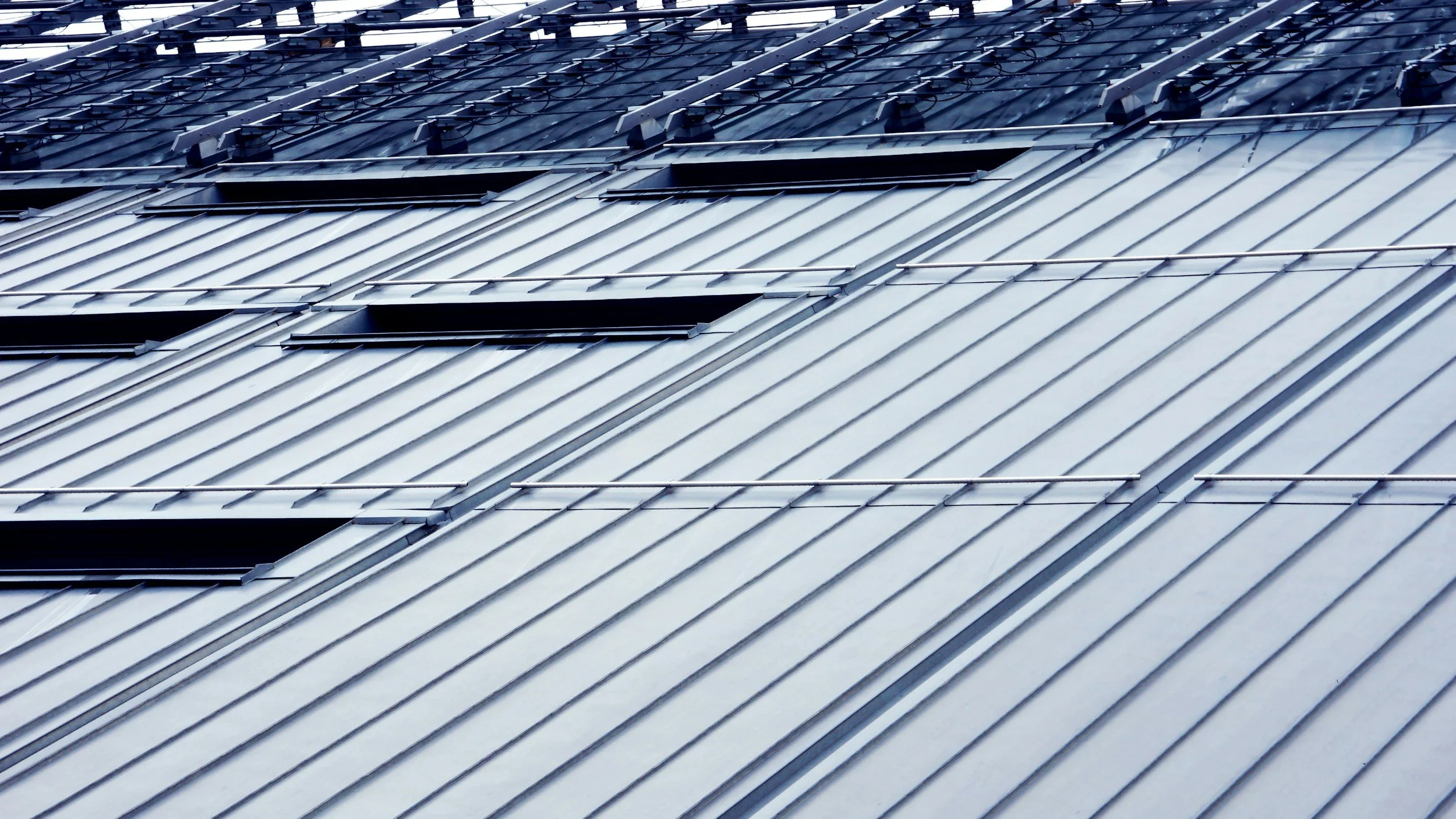
Standing seam metal roofing is one of the most popular modern options. It features vertical panels with raised seams that conceal fasteners, creating a sleek and contemporary appearance. This design also enhances water resistance and durability.
Metal shingles are designed to replicate the look of traditional asphalt, slate, or wood shingles. They provide the aesthetic appeal of classic roofing materials while offering superior durability and longevity.
Corrugated metal roofing remains widely used in agricultural and industrial settings due to its strength and cost-effectiveness. Its wavy pattern provides structural rigidity and efficient water runoff.
Stone-coated metal roofing combines the strength of metal with the appearance of traditional roofing materials. A layer of stone granules is applied to the metal surface, improving aesthetics while adding extra protection.
Installation Process and Importance of Professional Workmanship
The installation of metal roofing requires precision, technical expertise, and specialized tools. The process begins with preparing the roof structure to ensure it can support the weight and design of the metal system. Underlayment materials are then installed to provide an additional layer of protection against moisture.
Metal panels or shingles are carefully aligned and secured using fasteners or concealed locking systems, depending on the design. Proper spacing and sealing are critical to ensure thermal movement does not compromise the roof’s integrity.
Flashing is installed around roof penetrations such as chimneys, vents, and skylights to prevent water infiltration. Ridge caps and trim pieces are added to complete the system and enhance weather resistance.
Professional installation is essential because even small errors can lead to long-term issues such as leaks, corrosion, or structural instability. A properly installed metal roof can perform efficiently for decades, while poor installation can significantly reduce its lifespan.
Maintenance Requirements and Longevity
One of the key advantages of metal roofing is its low maintenance requirements. Unlike other roofing systems that may require frequent repairs or replacement of damaged shingles, metal roofs typically require only periodic inspections and basic upkeep.
Routine maintenance includes clearing debris, checking for loose fasteners, inspecting sealants, and ensuring that drainage systems are functioning properly. These simple steps help maintain optimal performance and prevent minor issues from developing into major problems.
When properly installed and maintained, metal roofing can last several decades, making it one of the most durable roofing solutions available. Its ability to resist environmental damage and structural degradation contributes to its long-term value.
Environmental Impact and Sustainability
Metal roofing is widely recognized as an environmentally friendly option in the construction industry. Many metal roofing systems are made from recycled materials, and the materials themselves are fully recyclable at the end of their lifespan. This significantly reduces waste compared to traditional roofing materials that often end up in landfills.
Energy efficiency is another important environmental benefit. By reflecting solar heat, metal roofs help reduce energy consumption for cooling systems, which in turn lowers greenhouse gas emissions associated with electricity production.
In addition, the long lifespan of metal roofing reduces the need for frequent replacements, which helps conserve natural resources and reduces overall environmental impact.Although metal roofing typically involves a higher upfront investment, its long-term value often outweighs initial costs. The combination of durability, energy savings, low maintenance, and long lifespan makes it a cost-effective solution over time.
Property owners often find that the reduced need for repairs and replacements offsets the initial expense. Additionally, energy savings and potential insurance benefits contribute to overall financial efficiency.
Conclusion
When evaluating roofing options, it is important to consider not only installation costs but also long-term performance and lifecycle value. From this perspective, metal roofing often proves to be one of the most economical choices in the long run.
Metal roofing has established itself as a highly durable, efficient, and versatile roofing solution suitable for a wide range of applications. Its strength, longevity, and resistance to environmental challenges make it an attractive option for property owners seeking long-term reliability.
While the initial investment may be higher than traditional materials, the benefits of reduced maintenance, energy efficiency, and extended lifespan make it a worthwhile consideration. With various styles and materials available, metal roofing can also meet diverse architectural and aesthetic preferences.
As modern construction continues to emphasize sustainability, performance, and value, metal roofing remains a leading choice for those who want a roofing system that delivers both practical and long-lasting benefits.
HOW DO YOU FEEL ABOUT FASHION?
COMMENT OR TAKE OUR PAGE READER SURVEY
Featured
Finding the right job in human resources or recruitment can take time, especially when you're searching online.