
Companion Care for Seniors: Providing Emotional Support, Friendship, and Daily Assistance at Home
PAGE
By PAGE Editor
Introduction
As people age, their needs often extend beyond medical attention and physical care. Emotional well-being, social interaction, daily support, and a sense of companionship become equally important for maintaining a high quality of life. Many older adults experience changes such as reduced mobility, retirement-related isolation, loss of loved ones, or cognitive decline, all of which can contribute to feelings of loneliness and disconnection from the world around them.
Families often try their best to provide support, but modern lifestyles, work commitments, and geographical distance can make it difficult to offer consistent care. This gap has led to a growing need for structured non-medical support systems that focus on emotional connection, daily assistance, and companionship. These services help seniors maintain independence while ensuring they are not left isolated or unsupported in their daily lives.
Understanding how companionship-based support works and why it matters is essential for families seeking reliable care solutions for aging loved ones.
Understanding Emotional and Social Needs in Aging
Aging is not only a physical process but also a deeply emotional transition. Many seniors face challenges such as reduced social circles, retirement from long-term careers, and changes in family dynamics. These shifts can lead to a gradual decline in social engagement, which may impact mental and emotional health.
Loneliness among older adults is more than just an emotional concern; it has been linked to serious health risks. Studies have shown that prolonged social isolation can contribute to depression, anxiety, and even cognitive decline. Conditions such as Alzheimer's disease may also progress more rapidly when individuals lack consistent mental stimulation and social interaction.
Emotional support plays a crucial role in maintaining cognitive health and overall well-being. Simple daily conversations, shared activities, and consistent human presence can significantly improve mood and mental alertness in seniors.
What Companion-Based Support Really Means
Support services designed for older adults are not limited to medical or physical assistance. Instead, they often include a broader approach that focuses on emotional presence, engagement, and assistance with everyday routines. This type of care is built around the idea of maintaining independence while reducing loneliness and providing structured support.
One of the most important aspects of this approach is consistency. Having a familiar person to talk to, share meals with, or accompany during daily tasks helps seniors feel secure and valued. It also encourages routine, which is beneficial for both mental and physical stability.
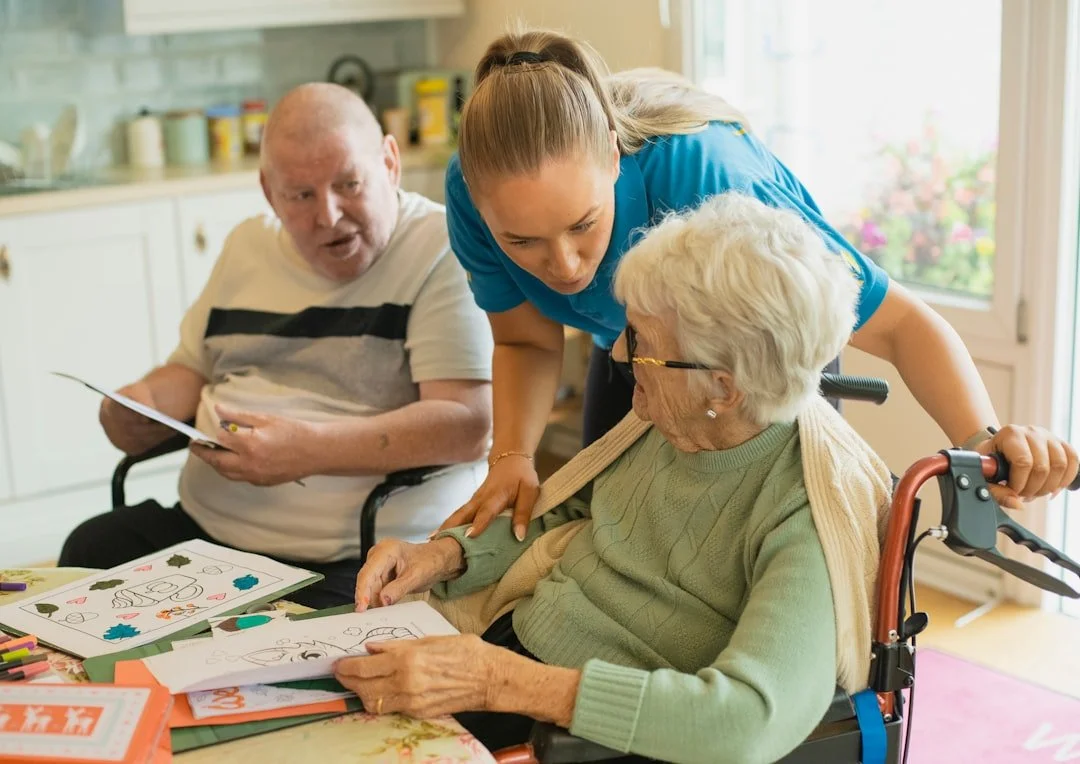
Families often explore companion care for seniors as a way to ensure their loved ones receive both emotional and practical support without losing their independence. This type of care bridges the gap between full-time medical assistance and independent living.
Daily Assistance and Its Impact on Independence
Many older adults struggle with everyday tasks such as grocery shopping, preparing meals, managing appointments, or organizing medications. While these tasks may seem simple, they can become challenging due to reduced mobility, memory issues, or fatigue.
Support that includes companionship often extends into helping with these daily responsibilities. However, the goal is not to take away independence but to enhance it. Seniors are encouraged to participate in their routines while receiving gentle assistance when needed.
This balanced approach ensures that individuals remain active participants in their own lives. It also helps maintain confidence and reduces the frustration that can come from struggling with tasks that were once easy to manage.
Emotional Well-Being and Mental Health Benefits
The emotional benefits of companionship-based support are significant. Regular social interaction helps reduce feelings of loneliness and depression, both of which are common among older adults. Engaging in conversation, sharing stories, or simply having someone present can make a meaningful difference in daily mood and outlook.
Mental stimulation is another key benefit. Activities such as reading together, playing memory games, or discussing current events can help keep the mind active. This is particularly important for individuals at risk of cognitive decline or those already experiencing early signs of memory-related conditions.
For families seeking structured emotional support solutions, companion care for seniors offers a reliable way to ensure that their loved ones remain mentally engaged and emotionally supported throughout their aging journey.
Safety and Supervision Without Loss of Independence
Safety becomes an increasing concern as individuals age, especially for those living alone. Risks such as falls, missed medications, or accidents in the home environment can have serious consequences. However, many seniors prefer not to move into assisted living facilities and wish to remain in their own homes.
Companionship-based support provides a middle ground by offering supervision without restricting independence. Care providers can assist with light monitoring, ensure that the living environment remains safe, and help identify potential hazards before they become serious issues.
This type of support allows seniors to maintain their lifestyle while giving families peace of mind knowing that someone is present to assist in case of emergencies.Routine plays a powerful role in maintaining stability in older adults. A consistent daily schedule helps regulate sleep patterns, improve mood, and create a sense of purpose. Without structure, many seniors may experience confusion, inactivity, or a decline in motivation.
Companionship services often help establish and maintain these routines. Whether it is morning walks, meal schedules, medication reminders, or leisure activities, structured support helps create predictability in daily life.This sense of routine is especially beneficial for individuals experiencing cognitive challenges, as it reduces confusion and provides a familiar framework for daily activities.
Social Interaction and Community Connection
One of the most overlooked aspects of aging is the loss of social connections. Retirement, mobility limitations, and the passing of friends or spouses can significantly reduce opportunities for interaction. Over time, this can lead to isolation and emotional distress.
Regular companionship helps restore this social balance. Conversations, shared activities, and even simple outings can reconnect seniors with their surroundings and provide a renewed sense of belonging.
In many cases, companionship services also encourage participation in community activities, helping seniors stay engaged with the world beyond their homes. This connection plays a vital role in maintaining emotional health and preventing long-term isolation.
Supporting Families and Reducing Caregiver Stress
Family members who care for aging relatives often experience emotional and physical stress. Balancing work, personal responsibilities, and caregiving duties can become overwhelming, especially when care needs increase over time.
Companionship-based support services help reduce this burden by providing reliable assistance. Families can rest assured knowing their loved ones are not alone during the day and are receiving meaningful interaction and care.This support system allows family relationships to focus more on emotional connection rather than daily caregiving tasks. It helps preserve the quality of family interactions and reduces stress for everyone involved.
Personalization of Care and Individual Needs
Every senior has unique preferences, routines, and emotional needs. Effective companionship services recognize this individuality and adapt accordingly. Some individuals may prefer quiet conversations and reading, while others may enjoy outdoor walks or social activities.Personalized care ensures that seniors feel respected and understood. It also increases engagement and satisfaction, as activities are aligned with personal interests and comfort levels.Families often find that companion care for seniors becomes most effective when it is tailored to the personality and lifestyle of the individual receiving support.
Over time, consistent emotional and practical support can lead to significant improvements in overall well-being. Seniors who receive regular companionship often experience better mood stability, improved cognitive engagement, and increased physical activity.There is also a noticeable reduction in feelings of loneliness and anxiety. Having a trusted companion provides reassurance and emotional grounding, which is especially important during periods of change or health challenges.
Additionally, long-term companionship helps maintain independence for a longer period, reducing the likelihood of premature transition into institutional care.
Building Trust and Meaningful Relationships
Trust is a fundamental component of any caregiving relationship. Seniors are more likely to benefit from companionship when they feel comfortable and secure with the person providing support. Over time, these relationships often evolve into meaningful bonds that go beyond basic care.
These connections provide emotional stability and create a sense of familiarity and comfort. For many seniors, having someone who consistently listens, engages, and understands their needs becomes one of the most valuable aspects of daily life.Emotional care is often underestimated in discussions about aging, yet it is one of the most critical components of overall well-being. Physical health and emotional health are deeply interconnected, and neglecting one can negatively impact the other.Support systems that prioritize companionship help address this balance by ensuring that emotional needs are met alongside daily living assistance. This holistic approach contributes to healthier, more fulfilling aging experiences.
Conclusion
Aging is a complex journey that involves physical, emotional, and social changes. While medical care addresses physical health, emotional support and companionship play an equally important role in maintaining quality of life.
Structured support systems provide seniors with the opportunity to remain independent while staying socially engaged and emotionally supported. Services such as companion care for seniors offer a balanced solution that enhances daily living, reduces loneliness, and supports both seniors and their families.
When applied thoughtfully, companion care for seniors becomes more than just assistance; it becomes a meaningful presence that enriches everyday life and promotes dignity, comfort, and emotional well-being. Ultimately, companion care for seniors represents a compassionate approach to aging that values connection as much as care.
HOW DO YOU FEEL ABOUT FASHION?
COMMENT OR TAKE OUR PAGE READER SURVEY
Featured





Finding the right job in human resources or recruitment can take time, especially when you're searching online.