
Behind a Temecula Wedding Film: Light, Sound, and Real Moments
PAGE
By PAGE Editor
A beautiful wedding film is not created simply by pointing a camera at beautiful things. The finished film may look effortless, but behind it are dozens of small decisions involving light, sound, timing, movement, and observation.
Temecula is an especially interesting place to film weddings because the environment can change dramatically throughout a single day. Bright afternoon sunlight gives way to warm vineyard light around sunset. Outdoor ceremonies may be quiet one moment and windy the next. Receptions can move from elegant dinners under string lights to fast-moving dance floors after dark.
Capturing all of this requires more than good camera equipment. It requires understanding how the wedding day is unfolding and knowing when to guide the couple and when to simply step back and let a real moment happen.
Here are three elements that can make an especially big difference in a Temecula wedding film: light, sound, and authentic moments.
Light Can Completely Change the Feeling of a Scene
Temecula wine country is known for its vineyards, rolling hills, open skies, and warm Southern California atmosphere. Those features can look beautiful on camera, but the appearance of the same location can change significantly depending on the time of day.
During the afternoon, sunlight can be bright and direct. A vineyard that looks soft and romantic near sunset may look completely different several hours earlier when the sun is higher in the sky.
This does not mean every scene needs to be filmed during golden hour. A wedding day naturally contains different types of light, and those changes can help tell the story.
Getting-ready footage might have soft window light. The ceremony may take place under bright afternoon sun. Couple portraits can happen as the light becomes warmer. Then, after sunset, candles, string lights, chandeliers, and reception lighting create another completely different atmosphere.
A wedding film becomes more interesting when it preserves these changes instead of trying to make every scene look identical.
Sunset Is Important, but the Wedding Comes First
It is easy to understand why photographers and filmmakers love sunset in Temecula.
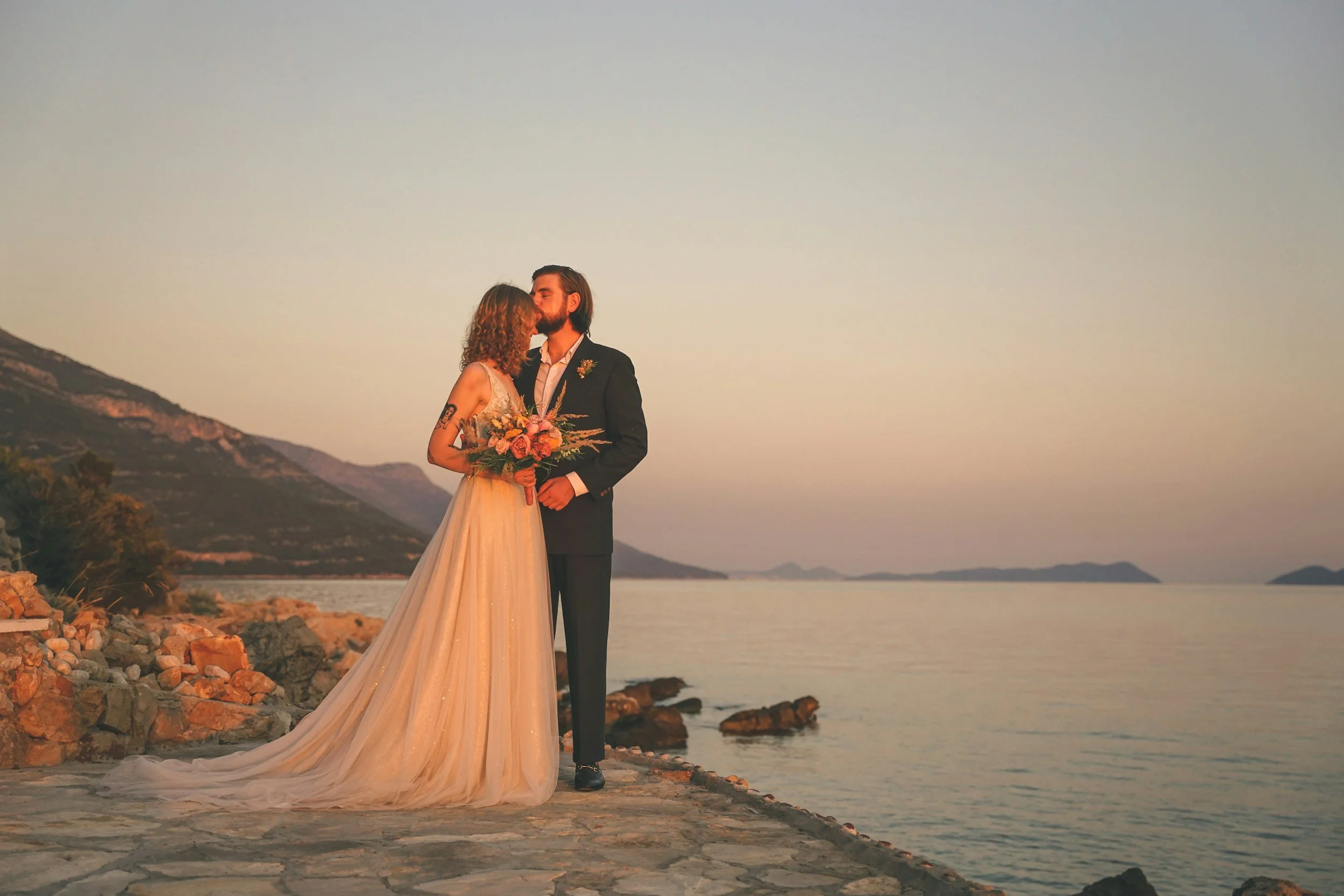
When the sun drops lower behind the vineyards, the light can become much softer and warmer. The landscape often develops richer tones, and the couple can be photographed against a much more dramatic background.
But a wedding should not be organized entirely around creating perfect images.
Couples invited their family and friends to celebrate with them. They should not have to disappear from cocktail hour or dinner for an extended photo and video session simply because the light is beautiful.
A more practical approach is often to plan a short period for sunset portraits.
Even ten or fifteen minutes can be enough to capture several strong shots when the filmmaker already understands the location and knows what movements will work.
The goal should be to take advantage of the environment without turning the wedding into a commercial production.
Good Audio Is Just as Important as Beautiful Images
Wedding films are visual, but some of their most emotional moments come from sound.
Vows, speeches, laughter, conversations, and reactions give meaning to the images.
Imagine seeing a close-up of a bride listening to her partner during the ceremony. The image may be beautiful but hearing the words that created her reaction makes the moment much more powerful.
That is why audio deserves the same level of preparation as the camera work.
Outdoor ceremonies in Temecula can make this particularly challenging. Wind may suddenly increase. Venue speakers may produce different sound levels. A microphone can experience interference. Guests may cough, move chairs, or create unexpected background noise.
For that reason, relying on a single audio source can be risky.
The groom, officiant, or other important participants may be individually miked, while additional recorders can capture sound from the venue's audio system. Multiple recording sources provide backup and give the editor more options later.
Couples may never notice these technical details during the wedding, and that is exactly how it should be. The equipment exists quietly in the background so that years later, the important words can still be heard clearly.
Reception Lighting Requires a Different Approach
Once the sun disappears, filming conditions change quickly.
A reception may look romantic to the human eye with candles and string lights, but cameras often need more light than people realize.
This is especially important during first dances, parent dances, speeches, and open dancing.
A filmmaker may introduce additional lighting while trying to preserve the atmosphere of the venue. The objective is not to flood the room with bright lights. It is to provide enough controlled illumination that faces remain visible and footage remains clean.
The placement of those lights matters.
Good reception lighting should support the scene without becoming the scene.
When done correctly, guests may barely notice it, while the camera gains enough information to preserve expressions, movement, and details that could otherwise disappear into darkness.
Real Moments Cannot Be Recreated
Beautiful portraits are valuable, but some of the strongest parts of a wedding film happen when nobody is thinking about the camera.
A father may become emotional while watching his daughter get ready.
A couple may laugh after making a small mistake during their vows.
A grandmother may quietly watch the first dance.
Friends may react to a story during a toast.
The couple may share a brief look across the reception before anyone else notices.
These moments are difficult, and sometimes impossible, to recreate.
That is why anticipation is such an important part of wedding filmmaking.
A filmmaker cannot know exactly what will happen next, but experience makes it easier to recognize when something is about to happen.
Instead of constantly directing people, the filmmaker can watch body language, listen to conversations, understand relationships, and position the camera before the moment occurs.
The Camera Should Not Control Every Moment
There is always some direction involved in wedding filmmaking.
During couple portraits, for example, a filmmaker might ask the couple to walk together, turn toward the light, or move into a location with a better background.
But too much direction can make a wedding film feel staged.
Many couples want to recognize themselves when they watch their film. They want to see their real personalities, their real interactions, and the way their family and friends behaved.
That is why documentary-style observation is so valuable.
There are moments when the best decision is not to interrupt.
Let the conversation continue. Let the laughter happen. Let someone become emotional without immediately asking them to repeat the reaction for the camera.
The imperfections often make the film more personal.
Knowing the Venue Helps, but Responding to the Day Matters More
Experience filming in Temecula can be useful because winery weddings often share certain characteristics.
There may be outdoor ceremony spaces, vineyards for portraits, large open areas, changing sunlight, and receptions that continue well after dark.
A filmmaker who understands these conditions can prepare equipment and plan coverage accordingly.
Couples looking at examples of Temecula wedding videography by A Color Mind can see how light, audio, movement, and real interactions work together throughout different parts of a wedding day.
But no two weddings are exactly alike.
Weather changes. Timelines run late. Speeches become more emotional than expected. A ceremony may begin under bright sunlight and end in completely different conditions.
The ability to adapt is often more important than following a predetermined shot list.
The Story Is Usually Found During the Wedding
Editing a wedding film is not simply arranging events in chronological order.
The story often comes from relationships and emotion.
A meaningful sentence from the vows might work with footage from earlier in the day. A parent's speech can provide context for scenes of the couple getting ready. A quiet moment after the ceremony may become more powerful when combined with something said during a toast.
This is why recording good audio and paying attention to real interactions throughout the day matters so much.
The filmmaker is collecting pieces of a story without always knowing exactly how those pieces will connect until the editing process begins.
Some of the most memorable parts of the finished film may come from moments that seemed small when they happened.
A Wedding Film Should Feel Like the Wedding
Temecula provides an impressive backdrop for wedding filmmaking, but vineyards and sunsets alone do not create an emotional film.
The location establishes the setting.
Light creates atmosphere.
Sound gives the images meaning.
Real moments give the film its personality.
The strongest wedding films bring all those elements together while still allowing the wedding to feel like a wedding.
Years later, couples may appreciate the beautiful vineyard shots and sunset portraits, but they are also likely to value something much simpler: hearing a parent's voice, seeing a friend's reaction, remembering the nervousness before the ceremony, or watching a moment they did not even realize happened.
Those are the details that transform wedding footage into a personal record of the day.
Beautiful images matter. Technical quality matters. But ultimately, the most meaningful wedding film is one that allows a couple to experience the people, voices, emotions, and atmosphere of their wedding again.
HOW DO YOU FEEL ABOUT FASHION?
COMMENT OR TAKE OUR PAGE READER SURVEY
Featured




A comfortable home should offer more than a place to sleep and eat.