
Does Spraying AC Condenser With Water Help Cool House? Benefits, Risks, and Expert Tips
PAGE
By PAGE Editor
When summer temperatures rise, keeping your home comfortable can become challenging. Your air conditioner may run for hours, electricity bills may increase, and the cooling system may struggle to maintain the temperature you want. One home improvement trick that homeowners often discuss is spraying water on the outdoor AC condenser to help it cool more efficiently.
But does this method actually work, or could it damage your air conditioning system?
The good news is that water can help reduce the temperature of an outdoor condenser under certain conditions. However, the results depend on how you apply it, the weather, the condition of your equipment, and the type of air conditioning system you own.
In this guide, we explain how AC condensers work, the potential benefits of using water, possible risks, and safer ways to improve your home's cooling performance.
What Is an AC Condenser and How Does It Work?
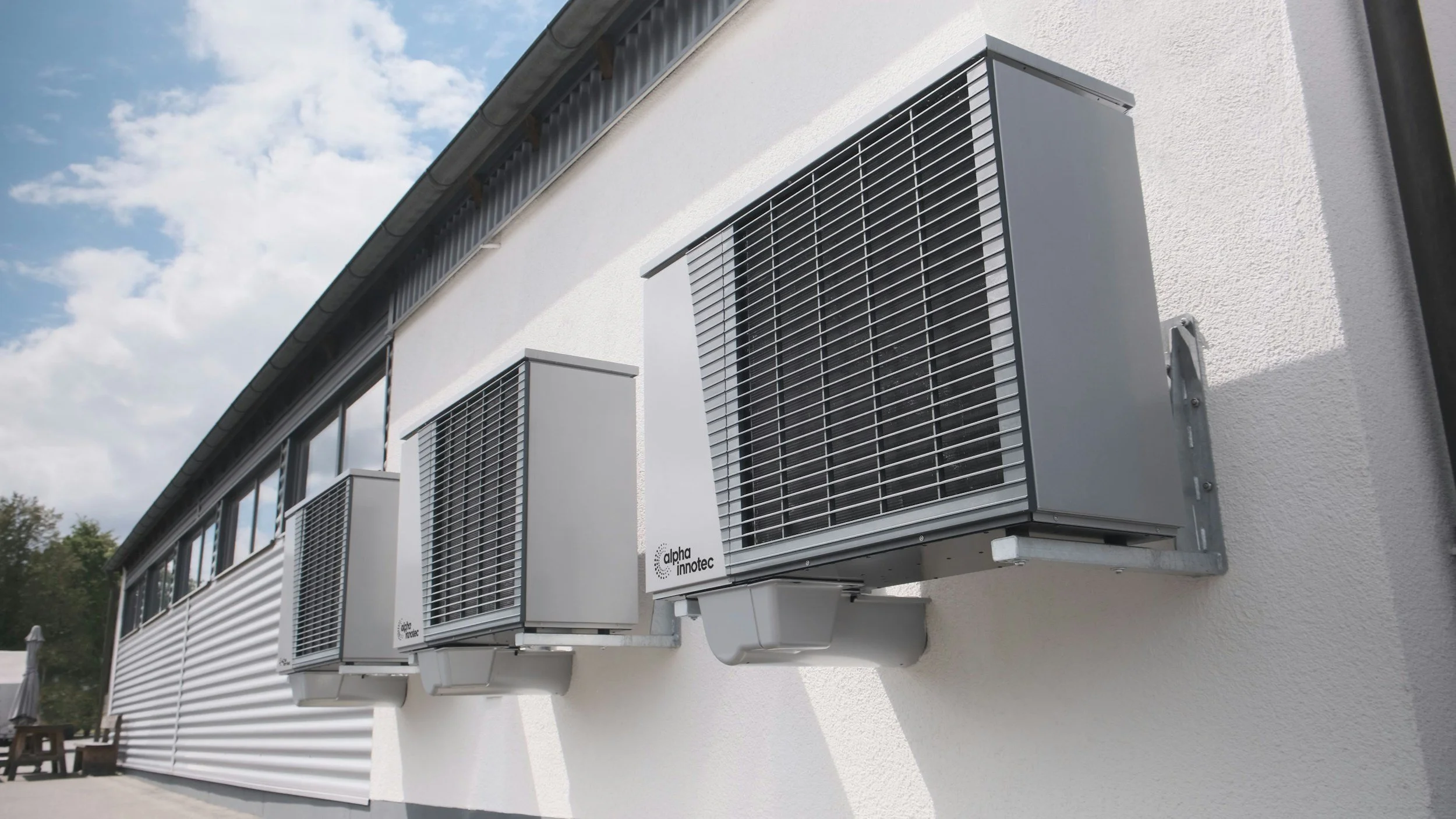
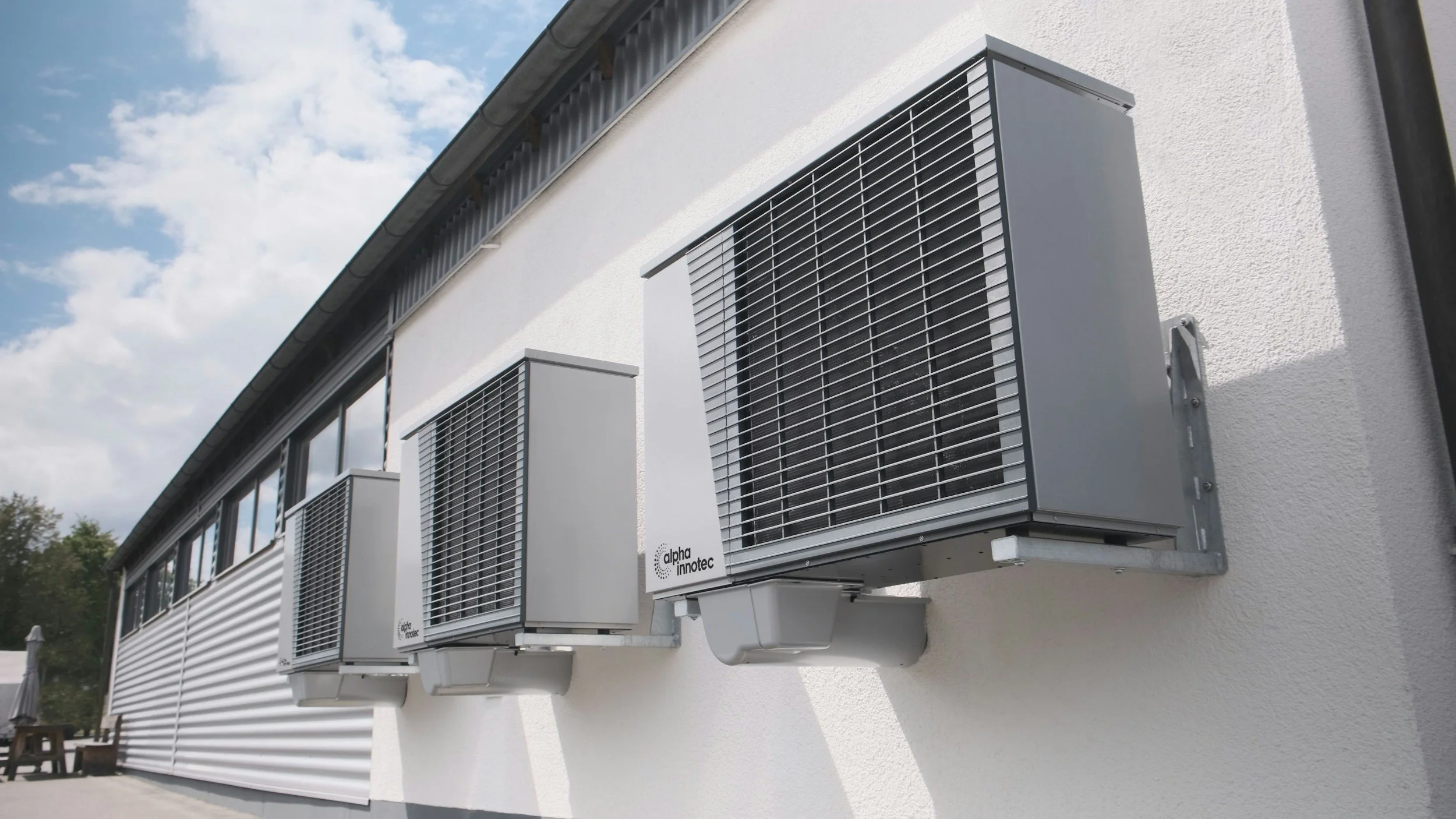
An AC condenser is the outdoor component of a central air conditioning system. Its main job is to release heat collected from inside your home into the outdoor air.
The cooling process involves several important components:
Compressor: Pressurizes and circulates refrigerant through the system.
Condenser coils: Transfer heat from the refrigerant to the surrounding outdoor air.
Condenser fan: Moves outdoor air across the coils to remove heat.
Refrigerant: Carries heat between the indoor and outdoor components.
When the condenser releases heat effectively, the air conditioner can continue cooling your home efficiently.
However, dirt, dust, leaves, restricted airflow, and extremely high outdoor temperatures can make heat removal more difficult.
Does Spraying Water on an AC Condenser Help Cool Your House?
Yes, spraying water on an outdoor AC condenser can sometimes help it release heat more effectively, especially during extremely hot weather.
Water absorbs heat as it evaporates. When a small amount of water evaporates from the condenser's exterior surfaces, it can temporarily reduce their temperature.
This may help the condenser operate under less demanding conditions.
However, there is an important difference between cooling the condenser and cooling your home. Spraying water does not directly cool the indoor air. Instead, it may help the air conditioning system transfer heat more effectively.
The improvement is generally temporary and varies depending on humidity, outdoor temperature, airflow, and equipment design.
It is also important to understand that manufacturers do not necessarily recommend adding water continuously to standard residential condensers. Always follow the equipment manufacturer's maintenance instructions.
How Water Helps an AC Condenser Release Heat
To understand the process, consider what happens when water evaporates from a warm surface.
Evaporation requires energy. That energy comes from the surrounding heat, which can lower the temperature of the wet surface.
This is similar to how sweating helps cool the human body.
When water is lightly sprayed around the condenser coil, some of it may evaporate and remove heat from the surface. In dry climates, evaporation can happen more quickly, potentially making this method more noticeable.
In humid environments, evaporation happens more slowly, so the cooling effect may be limited.
Water should never be used as a replacement for proper airflow, professional servicing, or cleaning.
Is It Safe to Spray Water on an Outdoor AC Condenser?
Generally, gently rinsing an outdoor condenser coil with a garden hose is considered safe when the manufacturer's instructions allow it.
Most outdoor condenser units are designed to withstand normal outdoor weather, including rain. Nevertheless, careful handling is essential because the unit contains electrical components and delicate metal fins.
Follow these safety recommendations:
Turn off the AC: Switch off the air conditioner and disconnect its power according to the manufacturer's instructions before cleaning.
Use low water pressure: Choose a gentle garden hose setting rather than a pressure washer.
Avoid electrical components: Do not spray directly into electrical compartments, wiring connections, or the control panel.
Clean the exterior carefully: Remove loose leaves, grass, and dust without bending the aluminum fins.
Allow proper drying: Follow the manufacturer's instructions before restoring power and operating the system.
Trane recommends gentle rinsing with a garden hose and warns against high-pressure cleaning because it can damage condenser fins.
When Spraying Water Can Actually Improve AC Performance
Not every air conditioner benefits equally from additional water. The results depend on the unit's condition and surrounding environment.
Here are situations where water rinsing may be helpful:
1. When condenser coils are dusty
Dust and dirt can collect between the condenser fins, restricting airflow and reducing heat transfer. Gently rinsing away loose debris can help the system release heat more effectively.
2. During extremely hot weather
High outdoor temperatures make it harder for an air conditioner to release indoor heat. Water evaporation may provide some temporary surface cooling, although it is not a guaranteed performance improvement.
3. When grass and pollen accumulate
Outdoor units frequently collect grass clippings, pollen, and other airborne materials. Removing this buildup helps maintain adequate airflow.
4. When the outdoor unit is exposed to dust
Homes near construction areas, busy roads, or unpaved surroundings may experience faster condenser contamination. Periodic inspection and gentle cleaning can help prevent excessive buildup.
Does Spraying AC Condenser With Water Help Cool House During Summer?
This is an important question for homeowners looking for affordable cooling solutions.
The answer to does spraying ac condenser with water help cool house depends on what you expect the water to accomplish.
If your outdoor condenser is dirty, rinsing it may improve heat transfer and help your air conditioner operate closer to its intended performance. If the coils are already clean and the system is functioning properly, spraying additional water may produce little noticeable difference.
It is also worth distinguishing between standard air-cooled condensers and specially designed evaporative cooling systems. Some evaporative condenser designs use water as part of their normal operating process. However, an ordinary residential AC condenser should not automatically be treated like one of these systems.
For most homeowners, proper maintenance provides more reliable results than repeatedly spraying water during hot afternoons.
Common Mistakes to Avoid When Spraying an AC Condenser
Although water can be useful for cleaning, incorrect techniques may create expensive problems.
Avoid these common mistakes:
Using a pressure washer: Powerful water streams can bend delicate aluminum fins and restrict airflow.
Spraying electrical connections: Water entering sensitive electrical components can create safety hazards.
Using harsh chemicals: Bleach, strong acids, and unsuitable cleaning products may damage metal components.
Ignoring professional maintenance: Water cannot repair refrigerant leaks, compressor problems, or damaged electrical connections.
Spraying continuously: Constantly soaking a standard condenser is unnecessary and is not a substitute for proper maintenance.
A gentle rinse should be treated as an occasional cleaning method, not a permanent cooling solution.
Better Ways to Keep Your House Cool Without Increasing AC Costs
If your air conditioner struggles during summer, several home improvement strategies can help improve indoor comfort.
1. Replace dirty air filters
Check your air filter regularly and replace it according to the manufacturer's recommendations. A clogged filter restricts airflow and makes cooling more difficult.
2. Keep the outdoor condenser clear
Remove leaves, branches, and other debris. Maintain adequate clearance around the unit, following the manufacturer's recommendations.
3. Improve home insulation
Proper insulation helps prevent unwanted heat from entering your home and reduces the cooling demand.
4. Close curtains during peak sunlight
Use blinds, curtains, or reflective window coverings to reduce direct sunlight entering your rooms.
5. Schedule professional AC maintenance
A qualified HVAC technician can inspect refrigerant levels, electrical connections, condenser coils, fan operation, and other important components.
ENERGY STAR also recommends regular coil cleaning and filter maintenance to support efficient air conditioning performance.
When Should You Call an HVAC Professional?
Sometimes an air conditioner continues struggling even after the outdoor condenser has been cleaned.
Consider contacting a qualified HVAC technician if you notice:
Warm air coming from indoor vents.
Unusual noises from the outdoor unit.
Frequent AC shutdowns.
Ice forming on refrigerant lines or indoor coils.
Higher electricity bills without a clear explanation.
The outdoor fan failing to operate normally.
These symptoms may indicate mechanical, electrical, airflow, or refrigerant-related problems. Avoid opening electrical compartments or attempting refrigerant repairs yourself.
Frequently Asked Questions (FAQs)
1. Can I spray my AC condenser with water while it is running?
Although outdoor units are designed for outdoor weather, switching off the system and disconnecting power according to manufacturer instructions before cleaning is the safer approach.
2. How often should I spray my outdoor AC condenser?
There is no universal schedule. Inspect the unit regularly and rinse it when dirt, dust, or debris accumulates. Follow the manufacturer's cleaning recommendations.
3. Will spraying water make my AC colder?
It may temporarily help under certain conditions, particularly through evaporation or by removing dirt from condenser coils. However, it does not guarantee colder indoor temperatures.
4. Can I use a pressure washer to clean condenser coils?
No. High-pressure water can bend delicate aluminum fins, restrict airflow, and damage the equipment. Use a gentle garden hose instead.
5. Does spraying water on an AC condenser reduce electricity bills?
It may indirectly support efficiency if rinsing removes dirt that was restricting heat transfer. However, there is no guaranteed electricity savings from spraying water alone.
6. Is it safe to spray water on a condenser every day?
Daily spraying is generally unnecessary. Occasional cleaning when dirt accumulates is more practical. Always follow the manufacturer's instructions.
7. Does humidity affect the cooling benefits of spraying water?
Yes. Water evaporates more slowly in humid conditions, which can reduce the potential evaporative cooling effect.
8. Should I spray water on the indoor AC unit?
Do not spray water on indoor AC equipment. Indoor components contain electrical parts and require appropriate cleaning methods. Have difficult-to-access components professionally serviced.
Conclusion
Spraying water on an outdoor AC condenser can sometimes help improve cooling performance, particularly when the coils are dirty or when evaporation provides temporary surface cooling. However, it is not a guaranteed solution for a struggling air conditioner.
Homeowners should prioritize gentle cleaning, proper airflow, regular filter replacement, insulation, and professional maintenance rather than relying on water spraying alone.
HOW DO YOU FEEL ABOUT FASHION?
COMMENT OR TAKE OUR PAGE READER SURVEY
Featured



The world of proprietary trading continues to attract people who want to develop their skills and access larger trading opportunities.