
Briansclub: Lessons from Startup Growth and Business Credit Awareness
PAGE
By PAGE Editor
Introduction to Briansclub
In the fast-paced world of startups, every decision can make or break a budding business. One critical aspect often overlooked is credit management. Understanding how to navigate the complexities of credit can set the foundation for sustainable growth. Enter Briansclub, a name that has captured attention in ways both cautionary and enlightening.
www-briansclub.com was once an infamous online marketplace where stolen credit card information thrived. While it serves as a stark reminder of what can go wrong with financial irresponsibility, there are valuable lessons lurking beneath its dark reputation. As entrepreneurs embark on their journeys, learning from such examples becomes essential.
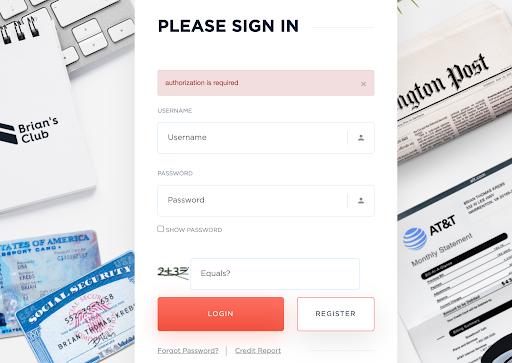
This blog will delve into the rise and fall of Briansclub while exploring how startups can harness better credit practices to fuel their success. Whether you're just launching your venture or looking to fine-tune your financial strategies, understanding credit awareness could be your secret weapon in achieving growth.
Buckle up; it's time to uncover insights that could shape your startup's future!
The Rise and Fall of Briansclub
Briansclub emerged as a notorious marketplace for stolen credit card information. It was widely recognized in the dark web, attracting cybercriminals seeking easy access to financial resources.
The platform capitalized on demand, offering vast databases of compromised cards. Users flocked to it, drawn by the promise of anonymity and quick profits.
However, this rapid rise led to increased scrutiny from law enforcement agencies. As awareness grew about online fraud, authorities intensified their efforts against such illegal activities.
Eventually, Briansclub faced significant challenges. A combination of proactive investigations and technological improvements made it difficult for criminals to operate freely. The once-thriving hub began losing its appeal as users sought safer alternatives or turned away from illicit practices altogether.
This downfall serves as a cautionary tale about the risks associated with unethical business models in an ever-evolving digital landscape.
Briansclub Importance of Managing Credit in a Startup
Managing credit is crucial for startups. It's not just about securing funds; it's about building a solid foundation for growth.
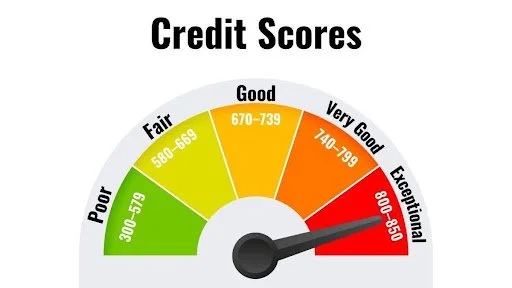
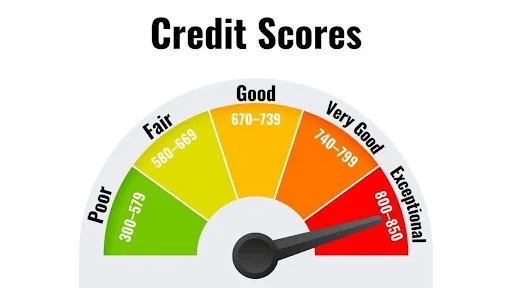
Startups often face unexpected expenses and fluctuations in revenue. A good credit score can provide access to necessary resources during tough times.
Having strong credit also enhances credibility with suppliers and investors. They are more likely to trust businesses that demonstrate responsible financial behavior.
Furthermore, effective credit management opens doors to better financing options. Startups can negotiate lower interest rates or favorable repayment terms, impacting long-term profitability.
Understanding how to manage credit effectively helps entrepreneurs navigate challenges confidently. It empowers them to make informed decisions without the burden of financial insecurity hanging overhead.
Prioritizing this aspect from day one sets the stage for sustainable success.
Briansclub Tips for Building Credit as a Startup Owner
Building credit as a startup owner is crucial for long-term success. Start by establishing your business entity. Forming an LLC or corporation separates personal and business finances, which is essential for building credit.
Next, open a dedicated business bank account. This helps track expenses and income while also starting to create a financial history tied to your company.
Consider applying for a secured business credit card. It allows you to make purchases while building your credit score gradually through responsible usage.
Make timely payments on all debts. Late payments can significantly impact your credit score, hindering future financing options.
Establish relationships with suppliers who report payment histories to credit bureaus. Positive interactions can enhance your credibility in the eyes of lenders.
Monitor your business's credit regularly using services that provide updates on any changes or potential issues affecting it.
Briansclub Case Studies of Successful Startups and Their Credit Management Strategies
Many successful startups have learned the hard way about the importance of credit management. Take, for instance, a tech company that launched with ambitious goals but underestimated its expenses. By building strong relationships with banks early on, they secured favorable terms and maintained cash flow.
Another startup in the health sector focused on establishing business credit through vendor accounts. This allowed them to purchase essential inventory without immediate out-of-pocket costs. Their strategy paid off when they expanded rapidly after securing contracts with larger clients.
A small retail business also thrived by using a dedicated business credit card for all transactions. They monitored their spending closely and paid off balances monthly to avoid interest charges while boosting their credit score.
These examples illustrate how strategic planning around credit can lead to sustainable growth and success in today's competitive landscape. Each journey highlights different approaches tailored to unique industry challenges.
Briansclub Common Credit Mistakes Made by Startups
Many startups overlook the importance of maintaining a separate business credit profile. Mixing personal and business finances can complicate matters down the line. It often leads to damaged credit scores and unmanageable debt.
Another common mistake is neglecting to monitor their credit reports. Regular checks help identify discrepancies, which can be costly if left unaddressed. Ignoring this step means missing out on opportunities for improvement.
Some entrepreneurs also fail to utilize available credit wisely. Racking up debt without a clear plan can lead to cash flow issues that jeopardize operations. Understanding how much credit you need—and when—is crucial for sustainability.
Moreover, not building relationships with lenders can hurt future funding opportunities. Establishing trust takes time but pays off when seeking loans or lines of credit later on.
Startups sometimes underestimate the power of timely payments as well. Late fees accumulate quickly, impacting both operational budgets and overall credibility in the financial landscape.
Conclusion: The Impact of Credit Awareness on Startup Growth
Credit awareness is a pivotal element in the journey of any startup. The rise and fall of Briansclub login serves as a crucial reminder that managing credit effectively can significantly influence business growth. Startups must prioritize understanding their financial standing, creating strategies to build credit, and avoiding common pitfalls.
By integrating sound credit management practices into their operations, entrepreneurs can pave the way for sustainable success. Observing case studies from successful startups highlights the tangible benefits of maintaining robust credit profiles. These businesses demonstrate how proper attention to credit can open doors to funding opportunities and partnerships that may otherwise remain inaccessible.
Moreover, recognizing potential mistakes early on allows startups to make informed decisions and develop resilience in an ever-evolving market landscape. Credit awareness is not just about securing loans; it's about fostering trust with stakeholders and ensuring long-term viability.
As startups navigate challenges ahead, those who embrace a proactive approach to managing their finances will likely emerge stronger and more equipped for growth in an increasingly competitive environment. Understanding the lessons drawn from cases like Briansclub could be the key differentiator between thriving or merely surviving in today's dynamic startup ecosystem.
FAQ’s
1. How does Briansclub provide lessons for startup growth?
Briansclub discussions highlight credit-building strategies, responsible financial practices, and digital finance insights, all of which help startups establish a solid financial foundation for growth.
2. Why is credit awareness important for startups?
Credit awareness allows startups to secure funding, manage cash flow, build trust with vendors, and access business opportunities that support expansion and sustainability.
3. What startup credit lessons are commonly discussed in www-briansclub.com?
Lessons include separating personal and business finances, using vendors that report to credit bureaus, monitoring credit reports, and responsibly managing credit lines.
4. How can startups use Briansclub insights to improve financial planning?
By following recommended credit-building practices and monitoring financial performance, startups can plan investments, manage expenses, and position themselves for sustainable growth.
5. Can new entrepreneurs benefit from Briansclub discussions?
Yes, new entrepreneurs can learn foundational steps to build credit early, understand digital financial systems, and avoid common mistakes that hinder growth.
6. What role do vendors play in startup credit awareness?
Vendors that report payments to credit bureaus help startups build a positive credit history, which improves funding options and strengthens financial credibility.
7. How does Briansclub emphasize responsible credit use for startups?
Discussions stress timely payments, avoiding excessive debt, and using credit strategically to support business operations and expansion.
8. Are www-briansclub.com lessons applicable to all types of startups?
Yes, whether a startup is online, offline, tech-focused, or service-based, the principles of credit awareness and responsible financial planning apply universally.
9. How does credit awareness impact long-term startup success?
Awareness ensures startups can access funding when needed, maintain good financial health, and scale operations responsibly without facing liquidity or credit issues.
10. What is the main takeaway from Briansclub lessons on startup growth and credit awareness?
The key takeaway is that building financial literacy, monitoring credit, and using responsible credit practices are essential for startups to grow sustainably and achieve long-term success.
HOW DO YOU FEEL ABOUT FASHION?
COMMENT OR TAKE OUR PAGE READER SURVEY
Featured




Sixteen-year-old creator Embreigh Courtlyn's new tween fashion line, the Embreigh Edit, generated more than $2.2 million in sales in its first two weeks at Target, according to the brand, which helps explain why fashion creators are treating an existing audience, as opposed to the product itself, as the real launch asset when launching a boutique brand.