
How an Anti-Aging Hand Cream Targets Fine Lines and Sun Damage
PAGE
By PAGE Editor
Hands often reveal age before the face because their skin is thinner and exposed to sunlight, washing, and daily friction. Fine lines deepen as collagen breaks down, while ultraviolet exposure creates uneven tone and rough texture. An effective hand cream addresses those changes through hydration, antioxidant support, and consistent daily use. The right formula also considers skin type and nail care. Its approach becomes clearer when you examine the causes and the practical routine around it.
A focused hand formula should do more than leave skin soft for an hour. It should support the barrier, reduce water loss, and fit daily use without heavy residue. That standard explains why many routines include an anti aging hand cream. The cream then works alongside sun protection and sensible hand care, while consistent application gives visible improvement time to develop.
Why Fine Lines Appear First
The hands have fewer oil glands than many facial areas, so their surface loses moisture quickly. Repeated washing removes protective lipids, while cold air, dry indoor heat, and cleaning products increase roughness. Dehydrated skin reflects light unevenly, making fine lines appear deeper than they look when the barrier stays comfortable. A cream improves this surface condition by adding water-binding ingredients and reducing moisture loss through the outer layer.
Fine lines also reflect repeated movement. Knuckle bending, gripping, and frequent handwashing fold the same areas many times each day. As the skin loses elasticity, those creases remain visible after movement stops. A hand treatment cannot erase established structural change, but regular moisturization softens surface lines and helps prevent dryness from drawing attention to them.
How Sun Damage Changes Hands
Sunlight adds a separate source of change. Ultraviolet radiation reaches the backs of the hands during driving, walking, outdoor work, and short daily trips. Repeated exposure damages collagen and elastin, which support firmness, and it encourages uneven pigmentation. These effects accumulate quietly, so hand care needs the same sun-conscious approach as facial skin. A cream addresses comfort and appearance, but UV protection remains the primary step for limiting new damage.
Sun protection works best when you apply it to exposed hands before outdoor activity and reapply after washing. Gloves add physical coverage during prolonged exposure, especially while driving or gardening. Hand cream supports the barrier beneath those habits, but it doesn't replace broad-spectrum sunscreen. This distinction keeps an anti-aging routine realistic, focused on prevention and visible care.
What an Anti-Aging Hand Cream Does
Many hand and nail creams present three texture choices for different skin needs. The light texture suits normal-to-combination skin, the whipped cream texture suits normal-to-dry skin, and the rich texture suits dry-to-very-dry skin. Texture affects whether a person applies enough product and repeats the routine often. A comfortable finish therefore supports consistency, which matters for dry lines and roughness.
A good formula also centers on two named actives, GSM10® and ProGR3®. GSM10® is a multi-action antioxidant ingredient and ProGR3® is a longevity active ingredient. It reports clinically proven results, dermatological testing under the strictest standards, and visible transformation in 28 days. These details describe the product's stated testing and positioning, but daily use is still necessary to maintain hydration.
Build a Practical Hand Routine
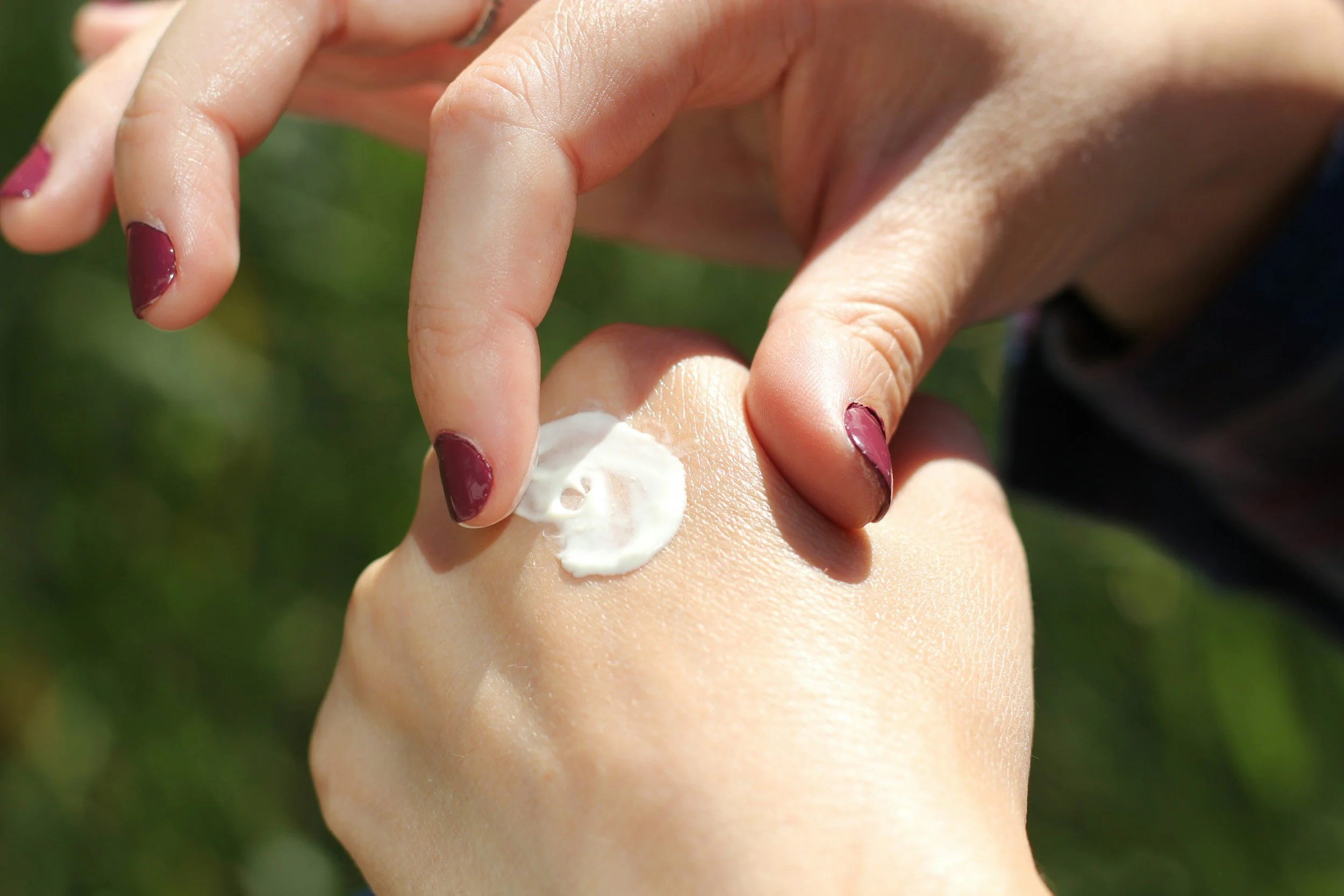
Start a practical routine after handwashing, when the skin is clean and slightly damp. Apply enough cream to cover the backs of the hands, palms, finger joints, and cuticles. Massage it across the knuckles and around the nails, where dryness often collects. Reapply after washing and before bed, then use sunscreen during daylight exposure. This schedule connects immediate comfort with longer-term protection.
Results depend on consistency rather than heavy application. A thin layer applied several times daily keeps the outer barrier moisturized, while sunscreen limits UV stress. People should assess progress by checking whether tightness, flaking, rough texture, and creases improve together. If a spot changes quickly, bleeds, or refuses to heal, a dermatologist should examine it first, rather than relying on cosmetic care alone.
Conclusion
Fine lines and sun damage respond to steady care, not occasional attention. A suitable hand cream improves hydration, supports the skin barrier, and fits each person's texture needs. Its actives and reported 28-day results provide a clear foundation for the routine, while sunscreen limits ongoing ultraviolet exposure. Choose the texture that matches skin dryness, apply it after washing, and add daytime sun protection. A dermatologist should assess changing or nonhealing spots.
HOW DO YOU FEEL ABOUT FASHION?
COMMENT OR TAKE OUR PAGE READER SURVEY
Featured




Sixteen-year-old creator Embreigh Courtlyn's new tween fashion line, the Embreigh Edit, generated more than $2.2 million in sales in its first two weeks at Target, according to the brand, which helps explain why fashion creators are treating an existing audience, as opposed to the product itself, as the real launch asset when launching a boutique brand.