
What Happens If a Spinal Cord Injury Gets Worse After a Denver Injury Claim Settles?
PAGE
By PAGE Editor
Spinal cord injuries rarely follow a straight line. Some people improve for a while and then plateau, while others develop new symptoms long after the original crash or fall. When that decline arrives after a claim has already settled, the natural question is whether the claim can be reopened.
It is one of the harder conversations a spinal cord injury lawyer in Denver may have with a client, because the answer usually turns on documents signed well before the new symptoms appeared.
Can a Settled Injury Claim Be Reopened If the Injury Worsens?
Usually, no. A settlement is generally designed to be final. In exchange for the agreed resolution, the injured person typically signs a release giving up the right to bring further claims about the same incident against the parties named in it.
That finality cuts both ways. It generally gives both sides certainty, and it also means a later decline in health is usually not grounds to reopen the matter with the same defendant. Releases are often enforced as written unless something unusual happened in how the agreement was reached.
What Does a Settlement Release Usually Cover?
Release language is often broad. Many releases cover claims that are known at the time of signing as well as injuries, complications, and consequences that are not yet known. Phrases about future or unknown conditions are common for exactly this reason.
Some releases are short, while others run several pages with defined terms. Each defined term can widen or narrow what the release reaches, so the details matter.
Reading that language before signing matters far more than reading it after. A release may also cover more than one party, such as a driver and that driver's employer, which can close off related claims as well.
Why Can a Spinal Cord Injury Worsen Long After the Accident?
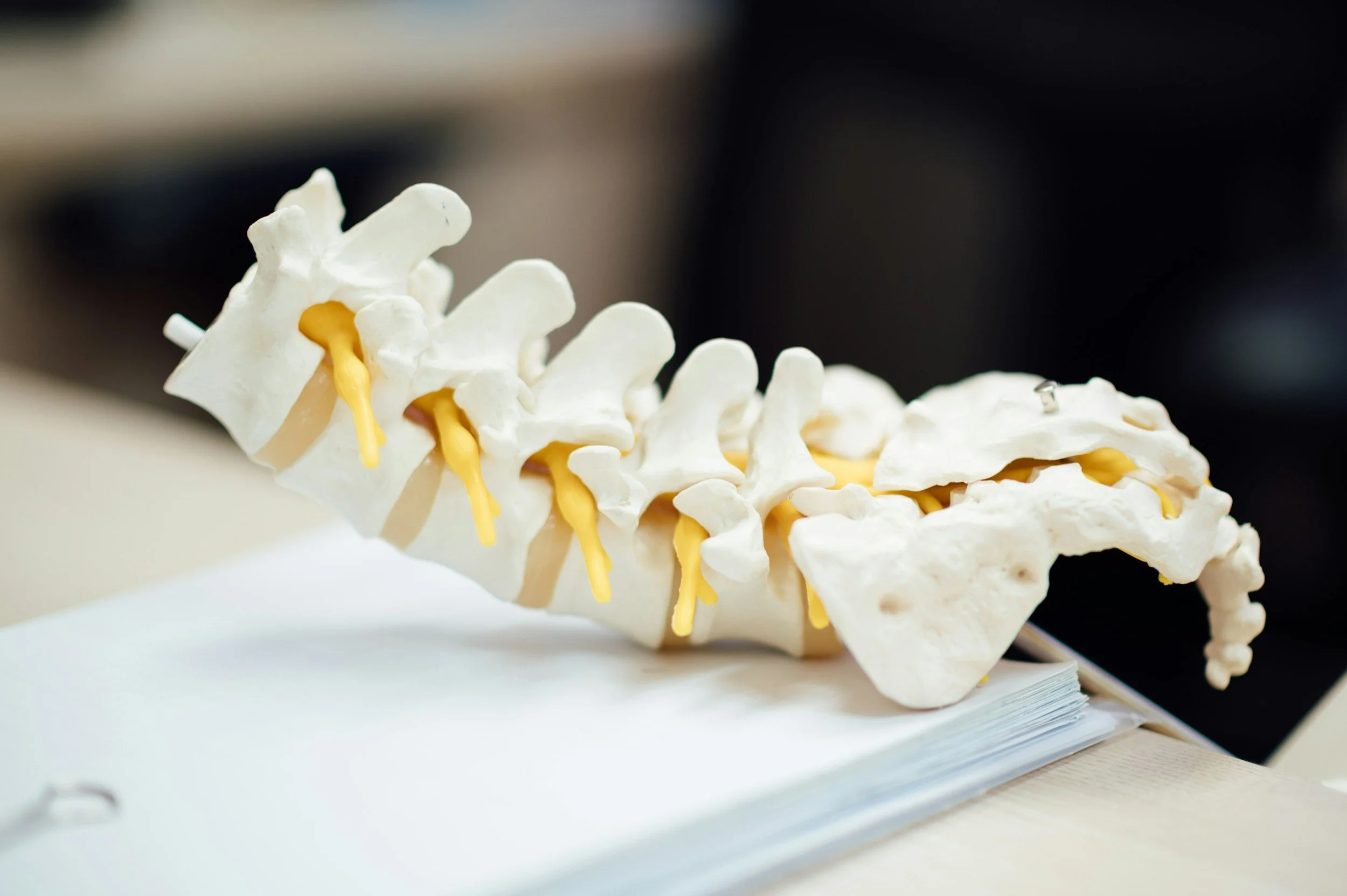
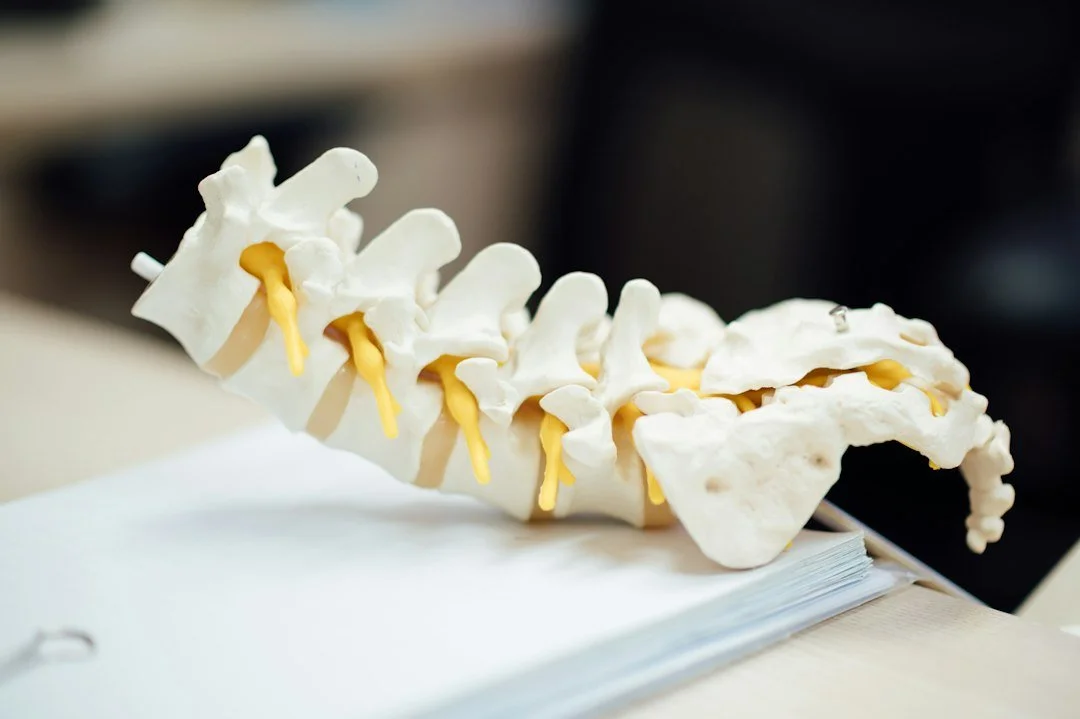
Spinal cord injuries can change over time in ways that are hard to predict at the start. Some people develop scar tissue, cysts, or nerve problems that surface months or years later. Others face secondary complications tied to reduced mobility, such as pressure injuries, infections, or circulation issues.
Doctors may describe these possibilities in general terms early on without being able to say who will experience them. That uncertainty is part of why the timing of a settlement can matter so much.
Are There Situations Where a Settlement Release Might Be Challenged?
They are uncommon, though they do exist. A release may be open to challenge if it was signed because of fraud, such as when one side hid key medical information. Some legal systems also recognize narrow exceptions for a mutual mistake about the injury, or for a person who lacked the capacity to sign.
These challenges tend to be difficult and depend heavily on the facts and the governing rules. A change in health, on its own, rarely meets the standard.
Why Does Waiting for a Clearer Medical Picture Matter Before Settling?
Many injured people reach a point doctors call maximum medical improvement, where their condition has stabilized, and further recovery is unlikely to change much. Settling before that point can mean settling without knowing the full shape of the injury.
Waiting has trade-offs of its own, including deadlines and the strain of a long claim. Balancing those pressures against the medical picture is often one of the central decisions in a spinal cord injury case. A physician's view on whether the condition is likely to change can help frame that choice.
What Medical Documentation Helps Before a Spinal Cord Injury Claim Closes?
Records that describe the likely course of the injury can carry a lot of weight before a claim resolves. Useful documentation often includes:
Imaging and neurological exam findings over time
Treating physician notes on prognosis and possible complications
Rehabilitation and therapy progress reports
Referrals to other physicians and what they found
Records of any new symptoms, even minor ones
The goal is a clear record of what is known and what remains uncertain while the claim is still open.
What If the Worsening Was Caused by a New Event?
Sometimes a decline traces back to something that happened after the settlement, such as a second accident, a fall, or a problem during later medical treatment. A new incident may create a separate claim against a different party, since the earlier release generally covers only the original event and the parties named in it. When the later problem arose during treatment for the original injury, the analysis can be harder.
Separating old harm from new harm can be complicated. Medical records from before and after the new event often play a central role in drawing that line.
Deadlines for injury claims vary by claim type and can be short, and an attorney can confirm which ones apply to a particular situation.
CGH Injury Lawyers
2701 Lawrence St Ste 201, Denver, CO 80205
(720) 669-8062
HOW DO YOU FEEL ABOUT FASHION?
COMMENT OR TAKE OUR PAGE READER SURVEY
Featured



Sixteen-year-old creator Embreigh Courtlyn's new tween fashion line, the Embreigh Edit, generated more than $2.2 million in sales in its first two weeks at Target, according to the brand, which helps explain why fashion creators are treating an existing audience, as opposed to the product itself, as the real launch asset when launching a boutique brand.