
Can One Pair of Trail Shoes Handle an Entire Ultramarathon?

PAGE
By PAGE Editor
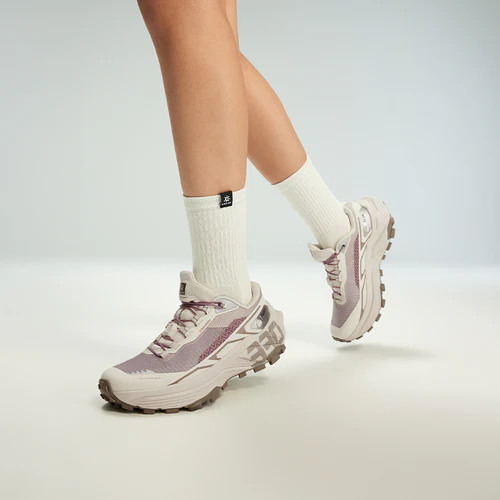
One pair of trail shoes can handle an entire ultramarathon, but only when the fit, terrain, weather, and race distance work in its favour. Choosing the best trail shoe for ultra running means looking beyond initial comfort. The shoe must continue to provide grip, protection, and stability after hours on the trail. A versatile option such as the EX 330 trail running shoe may suit a course with mixed terrain, provided it has been tested during long training runs.
What an Ultramarathon Demands From Your Trail Shoes
An ultramarathon places far more stress on footwear than a regular trail race. Over 50K, 100K, or even 100 miles, the outsole repeatedly strikes rocks, roots, gravel, and hard-packed ground. Cushioning gradually compresses, while mud and water can affect traction and upper comfort.
Your feet also change during the race. Heat, repeated impact, and long hours of movement can cause swelling. A shoe that feels secure at the start may become tight later, especially around the toes and forefoot. Meanwhile, fatigue can affect your running form and make stability more important during the final stages.
For one pair to last the entire race, it must balance durable construction with long-distance comfort. It should protect the foot without feeling heavy and provide enough room for natural swelling.
When One Pair of Trail Shoes Is Usually Enough
Using one pair is often practical for a 50K race or an ultra held on relatively consistent terrain. If most of the route follows dry forest paths, firm dirt, or moderate singletrack, a versatile trail shoe can usually manage the full distance.
One pair may also be enough when aid stations do not provide drop-bag access. Carrying spare shoes is rarely realistic, so runners need footwear that can cope with changing conditions.
Staying with the same shoes also removes the adjustment period that can follow a mid-race change. Different heel-to-toe drops, cushioning levels, or fit profiles may place new pressure on tired muscles. If your original pair remains comfortable and intact, there may be little reason to switch.
When Changing Shoes During an Ultra Makes Sense
A shoe change can be useful during longer events, particularly 100K and 100-mile races. Courses that move from muddy mountain trails to hard-packed roads may demand different levels of traction and cushioning. Changing into a shoe better suited to the second half can improve comfort and control.
Wet conditions are another reason to carry a spare pair. Fresh shoes and socks can reduce prolonged exposure to moisture, although they cannot undo blisters that have already formed. A change may also help if the upper tears, the outsole begins to separate, or dirt inside the shoe causes irritation.
Some runners switch to a roomier or more cushioned pair later in the race to accommodate swelling. However, the replacement shoes should have a familiar fit and similar running feel. Race day is not the time to experiment with an unused model.
How to Choose Shoes That Can Last the Full Distance
Start with fit. The heel and midfoot should remain secure on climbs and descents, while the toe box should allow enough space for swelling. Too much room can cause sliding, but a tight forefoot can lead to bruised toenails and pressure points.
Next, match the outsole to the course. Deep, widely spaced lugs suit mud and soft ground, while moderate lugs usually feel smoother on firm or mixed trails. Rocky routes may require stronger toe protection and a stable platform that limits unwanted side-to-side movement.
Cushioning should remain supportive rather than simply feeling soft. Excessively soft foam may feel unstable on technical ground, particularly as your legs become tired. The ideal shoe offers enough impact protection without reducing your ability to place each step accurately.
Test Your Race-Day Shoes Before the Ultramarathon
No shoe should go straight from the box to the start line. Wear your planned pair on several long runs over terrain that resembles the racecourse. Test it during climbs, descents, wet conditions, and extended periods on your feet.
Use the same socks, insoles, and gaiters you expect to wear during the event. After each long run, check for hot spots, toe pressure, heel movement, and outsole wear.
One pair can carry you through an entire ultramarathon when it has the right fit, grip, and protection for the course. A spare pair can offer useful insurance, but careful testing remains the strongest way to decide whether a single shoe can go the full distance.
HOW DO YOU FEEL ABOUT FASHION?
COMMENT OR TAKE OUR PAGE READER SURVEY
Featured





Video is no longer optional for marketing teams, e-commerce brands, and solo creators.