
Car Battery Recycling Guide: What to Know Before Recycling an Old Battery
PAGE
By PAGE Editor
Car batteries are easy to overlook until they stop working. One day the vehicle starts fine, and the next day the battery is dead, weak, or unable to hold a charge. When that happens, the old battery should not be thrown in the trash or left sitting in a garage, shop, warehouse, or maintenance area.
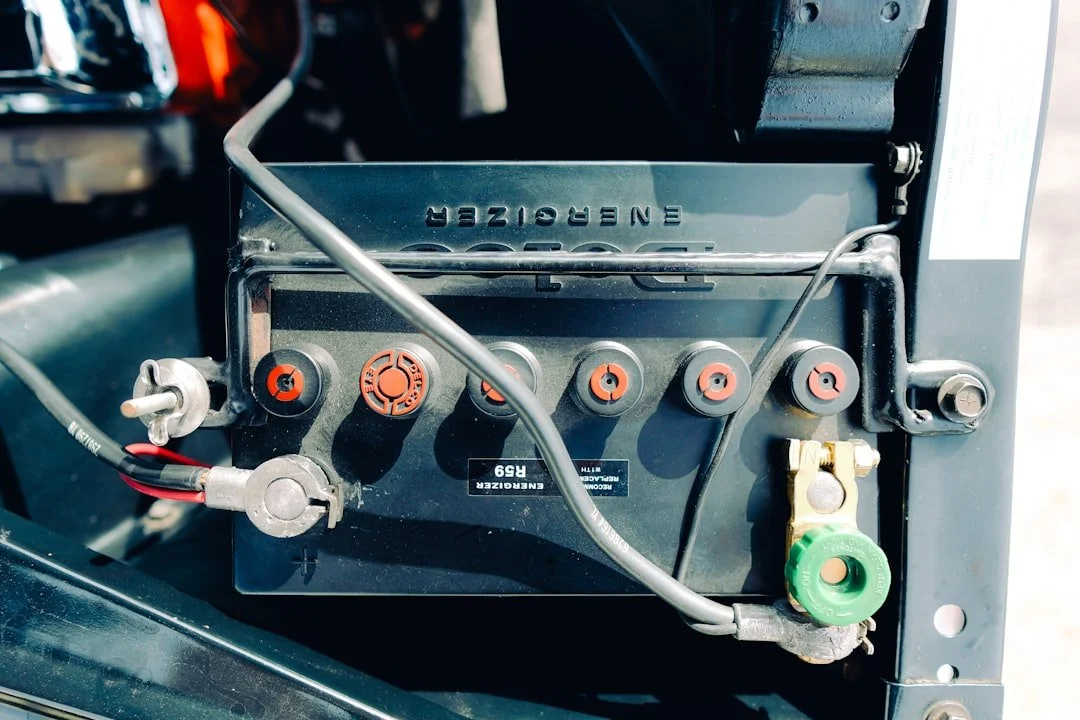
Most car batteries are lead-acid batteries. They are heavy, durable, and built to deliver the power needed to start a vehicle. They also contain lead, plastic, acid, terminals, and internal plates that should be handled through proper recycling instead of regular disposal.
What Is a Car Battery?
A car battery is a rechargeable battery used to start a vehicle and help support its electrical systems. In most gas-powered cars and trucks, the battery provides the initial power needed to start the engine.
Common car batteries include:
Flooded lead-acid batteries
AGM batteries
Sealed lead-acid batteries
Some newer lithium vehicle batteries in specialty applications
Traditional lead-acid car batteries are still the most common. They use lead plates and sulfuric acid to store and release energy.
Why Car Batteries Should Be Recycled
Car batteries contain materials that can be recovered and reused through proper recycling. Lead, plastic casing, and other components can be separated and processed instead of being wasted.
Recycling also helps keep batteries out of regular trash. A car battery is not ordinary household waste. It can be heavy, corrosive, and difficult to handle if cracked, leaking, or damaged.
Proper car battery recycling helps:
Keep lead-acid batteries out of landfills
Recover usable materials
Reduce improper disposal
Clear out garages, shops, and storage areas
Support responsible material management
For businesses, auto shops, municipalities, fleets, and maintenance teams, battery recycling is especially important because old batteries can build up quickly.
How to Handle an Old Car Battery
Start by checking the condition of the battery. Look for cracks, leaks, corrosion, swelling, damaged terminals, or signs of acid residue. If a battery is leaking or damaged, handle it carefully and avoid direct contact with the affected area.
Keep the battery upright whenever possible. Traditional lead-acid batteries can contain liquid acid, and tipping them may increase the chance of leaks.
Do not place car batteries in regular trash, dumpsters, or mixed scrap piles. They should be kept separate and stored in a secure area until they can be recycled.
How Car Battery Recycling Works
Car battery recycling usually begins with collection and sorting. Batteries are separated by type and condition before they move into the recycling process.
During processing, the battery is broken down into its main materials. The lead can be recovered, the plastic casing can be processed, and the acid can be handled through the proper treatment process.
This is one reason lead-acid batteries are commonly recycled. Their materials are well understood, and there are established recycling processes for managing them.
Common Places Old Car Batteries Come From
Old car batteries may come from many sources, including repair shops, auto dealers, fleet operations, towing companies, municipalities, warehouses, equipment yards, schools, farms, and property maintenance departments.
They may also come from personal vehicles, motorcycles, trucks, boats, RVs, golf carts, and other equipment that uses lead-acid batteries.
Final Thoughts
Car battery recycling is the right way to manage old, dead, damaged, or replaced vehicle batteries. These batteries contain materials that should be recovered and handled properly, not thrown into regular trash or left in storage for years.
The best approach is simple: identify the battery type, check for damage, store it upright in a safe area, and recycle it through the proper battery recycling process. This keeps old car batteries out of the waste stream and helps recover useful materials for future use.
HOW DO YOU FEEL ABOUT FASHION?
COMMENT OR TAKE OUR PAGE READER SURVEY
Featured





Finding the right job in human resources or recruitment can take time, especially when you're searching online.