
Child Therapy Online Explained: Benefits, Process, and Outcomes
PAGE
By PAGE Editor
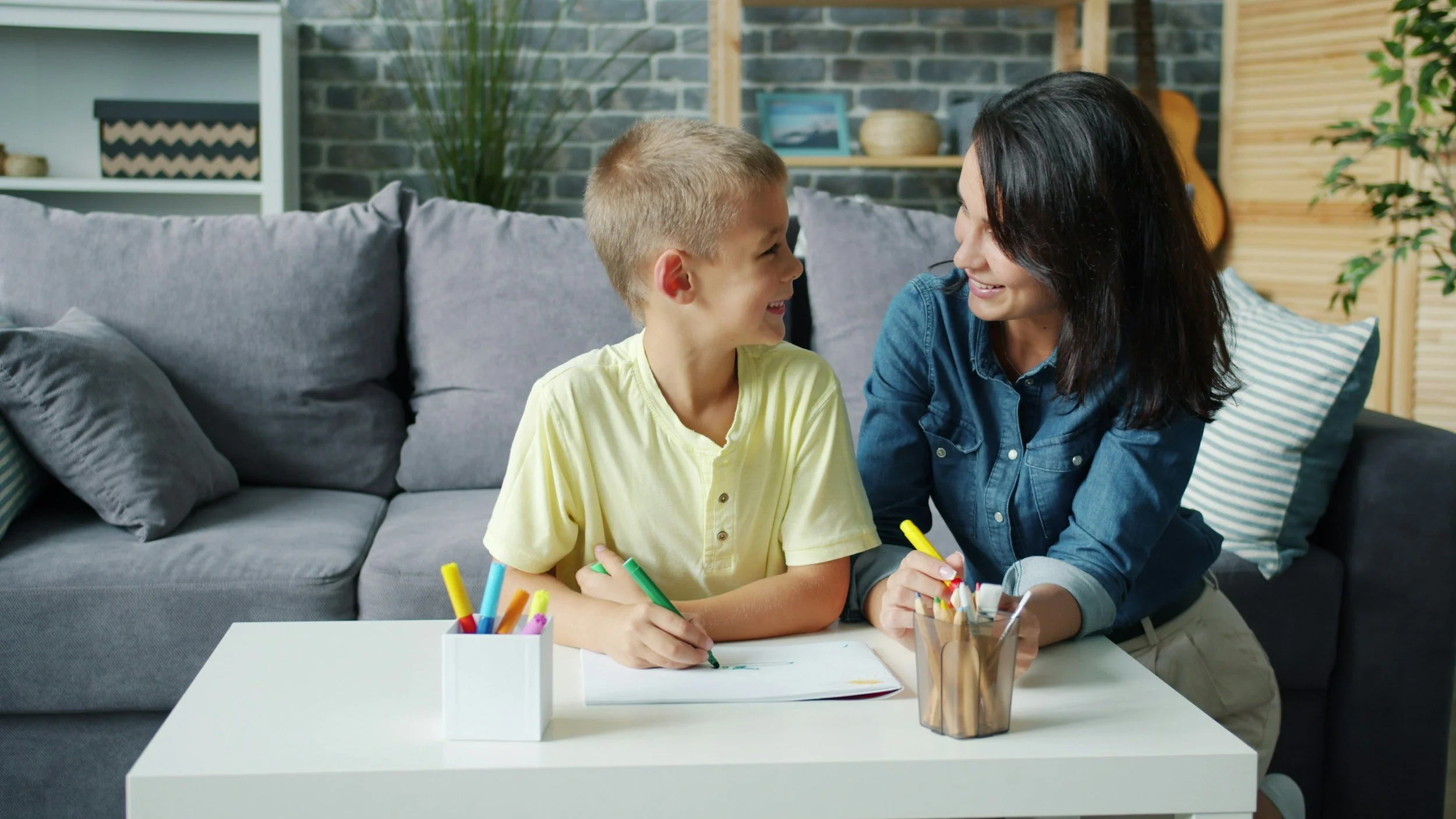
Parents today face many challenges when supporting their child’s emotional and mental wellbeing. From anxiety and school-related stress to behavioural difficulties and social challenges, children can experience issues that affect their development and happiness. Fortunately, child therapy online has emerged as an accessible and effective way for families to access professional support from the comfort of home.
With advancements in technology and increasing demand for flexible healthcare solutions, online therapy has become a trusted option for many Australian families. Understanding how it works, its benefits, and the outcomes you can expect can help parents make informed decisions about their child's mental health care.
What Is Child Therapy Online?
Child therapy online refers to professional counselling or psychological support delivered through secure video conferencing platforms. Qualified therapists, psychologists, counsellors, and mental health professionals work with children remotely, using evidence-based techniques tailored to the child's age, needs, and developmental stage.
Online sessions may involve:
One-on-one therapy with the child
Parent-child sessions
Family therapy
Behavioural coaching
Emotional regulation support
Cognitive behavioural therapy (CBT)
Play-based therapeutic activities
The goal is to provide children with the tools and support they need to manage emotions, build resilience, and overcome challenges.
Why More Australian Families Are Choosing Child Therapy Online
The growing popularity of child therapy online is not simply about convenience. Many families discover that virtual therapy provides unique advantages that can improve engagement and outcomes.
Greater Accessibility
Families living in regional or remote areas often struggle to access specialised child mental health services. Online therapy removes geographical barriers and connects children with experienced professionals regardless of location.
Benefits include:
No travel time
Wider choice of therapists
Faster access to appointments
Reduced disruption to school schedules
Comfortable Environment for Children
Many children feel more relaxed in familiar surroundings. Being at home can reduce anxiety associated with visiting a clinic and encourage more open communication.
Children may:
Feel safer expressing emotions
Participate more naturally
Experience less stress before sessions
Engage more consistently
Increased Flexibility for Families
Busy family schedules can make regular appointments difficult. Online sessions offer flexibility that suits modern lifestyles.
Parents can often schedule sessions:
Before or after school
During school holidays
Around extracurricular activities
Without extensive travel arrangements
Common Issues Addressed Through Child Therapy Online
Online therapy can effectively support children experiencing a wide range of emotional, behavioural, and developmental concerns.
Emotional Challenges
Children may seek support for:
Anxiety
Worry and fears
Low self-esteem
Sadness and depression
Grief and loss
Behavioural Concerns
Therapists often help with:
Anger management
Emotional outbursts
Defiance
School-related behavioural issues
Difficulty following routines
Social and Developmental Difficulties
Online therapy may also assist children experiencing:
Friendship challenges
Social anxiety
Bullying
Communication difficulties
Adjustment to family changes
How the Child Therapy Online Process Works
Understanding the process helps families feel confident and prepared.
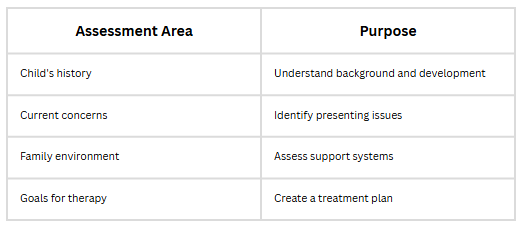
Step 1: Initial Parent Consultation
Most therapists begin with a consultation involving parents or caregivers.
During this session, the therapist typically discusses:
Step 2: Child Assessment
The therapist meets with the child and begins building rapport.
This may include:
Age-appropriate conversations
Interactive activities
Drawing exercises
Games and storytelling
Emotional assessment tools
Step 3: Ongoing Therapy Sessions
Regular sessions focus on helping the child develop practical coping skills.
Depending on the child's needs, therapy may include:
Cognitive Behavioural Therapy (CBT)
CBT helps children identify and change unhelpful thoughts and behaviours.
Play-Based Therapy
Younger children often communicate through play. Therapists use games and activities to explore emotions and experiences.
Emotional Regulation Strategies
Children learn techniques to:
Manage strong emotions
Reduce anxiety
Improve self-control
Build confidence
Step 4: Parent Involvement
Parents play a critical role in successful outcomes.
Therapists may provide:
Parenting strategies
Behaviour management tools
Progress updates
Home-based activities
Real-Life Scenario: Managing Childhood Anxiety
Imagine a ten-year-old child experiencing significant anxiety before school. The child reports stomach aches each morning and frequently asks to stay home.
Through child therapy online, the therapist works with both the child and parents to:
Identify anxiety triggers
Challenge fearful thoughts
Develop calming techniques
Build school confidence
Create supportive routines
Over several months, the child learns effective coping skills and gradually becomes more comfortable attending school.
This type of outcome is increasingly common when therapy is consistent and supported by family involvement.
Benefits of Child Therapy Online
The advantages extend beyond convenience.
Key Benefits Checklist
✔ Easy access to professional support
✔ Reduced travel and waiting times
✔ Comfortable home environment
✔ Flexible scheduling
✔ Increased therapist availability
✔ Consistent attendance rates
✔ Strong parent involvement opportunities
✔ Effective evidence-based interventions
Improved Continuity of Care
Children can continue therapy during:
School holidays
Family travel
Relocation
Health-related absences
This consistency often contributes to better long-term progress.
Potential Challenges of Online Therapy
While highly effective for many children, online therapy may not suit every situation.
Pros and Cons Comparison
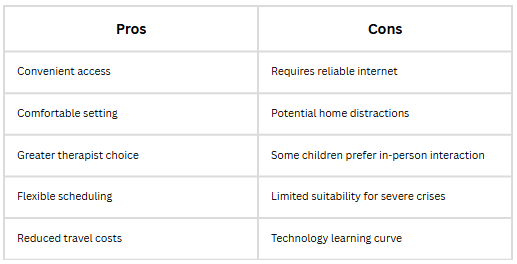
Parents should discuss suitability with a qualified therapist before beginning treatment.
How Parents Can Support Successful Online Therapy
The effectiveness of child therapy online often depends on family support.
Create a Private Therapy Space
Choose a quiet area where your child can participate without interruptions.
Maintain Consistent Attendance
Regular sessions help build trust and momentum.
Encourage Open Communication
Avoid pressuring children to share session details. Instead, create opportunities for natural conversations.
Implement Therapist Recommendations
Applying strategies at home reinforces progress and strengthens outcomes.
What Outcomes Can Families Expect?
Every child is unique, but many families observe meaningful improvements over time.
Emotional Outcomes
Children often develop:
Greater self-awareness
Improved emotional regulation
Increased confidence
Reduced anxiety symptoms
Behavioural Outcomes
Parents may notice:
Better communication
Fewer emotional outbursts
Improved coping skills
Healthier routines
Social Outcomes
Therapy can support:
Stronger friendships
Better conflict resolution
Increased social confidence
Improved school participation
Signs That Your Child May Benefit From Online Therapy
Parents should consider seeking support if their child experiences:
Persistent sadness
Excessive worry
Frequent anger or frustration
Difficulty at school
Social withdrawal
Sleep problems
Significant life changes
Family separation or conflict
Early intervention often leads to better long-term outcomes.
Choosing the Right Child Therapist Online
Selecting the right professional is an important decision.
Look for:
Professional Qualifications
Ensure the therapist is appropriately registered and qualified in child mental health.
Experience Working With Children
Child therapy requires specialised skills and developmental understanding.
Evidence-Based Approaches
Ask about therapeutic methods and treatment plans.
Strong Parent Communication
Effective therapists involve parents while respecting the child's privacy.
Frequently Asked Questions
Is child therapy online as effective as in-person therapy?
Research shows that many forms of online therapy can be highly effective for children, particularly for anxiety, emotional regulation, behavioural concerns, and mild to moderate mental health challenges.
What age is suitable for child therapy online?
Many therapists work with children as young as five years old using age-appropriate online techniques. Suitability depends on the child's developmental level and ability to engage virtually.
How long does online therapy usually take?
The duration varies depending on the child's needs. Some children benefit from short-term support over several weeks, while others may participate for several months.
Do parents attend every session?
Not always. Parent involvement varies based on the child's age, goals, and treatment plan. Many therapists include parents regularly throughout the process.
Is online therapy secure and confidential?
Reputable therapists use secure platforms designed to protect privacy and confidentiality while complying with professional standards.
Can online therapy help with school-related anxiety?
Yes. School anxiety is one of the most common concerns addressed through child therapy online. Therapists can teach practical coping strategies and support gradual confidence-building.
Conclusion
Child therapy online has transformed the way families access mental health support, making professional care more accessible, flexible, and convenient than ever before. For many Australian families, it offers an effective pathway to help children manage emotional challenges, improve behaviour, strengthen resilience, and build lifelong coping skills.
When delivered by qualified professionals and supported by active parental involvement, online therapy can produce meaningful and lasting outcomes. If your child is struggling with anxiety, behavioural difficulties, social challenges, or emotional wellbeing concerns, seeking early support through child therapy online could be an important step towards a healthier and happier future.
Taking action today may provide your child with the confidence, skills, and support they need to thrive both now and in the years ahead.
HOW DO YOU FEEL ABOUT FASHION?
COMMENT OR TAKE OUR PAGE READER SURVEY
Featured




For many people, the end of the workday does not always mean the beginning of recovery.