
Smart Homes and Sustainable Living: Why Battery Storage Is Becoming Part of Modern Home Design
PAGE
By PAGE Editor
Introduction
The modern home is evolving. For many years, homeowners focused primarily on aesthetics, comfort, and convenience when designing or upgrading their living spaces. Today, those priorities remain important, but they are increasingly joined by a new set of considerations: sustainability, energy efficiency, and long-term resilience.
As technology becomes more integrated into everyday life, smart homes are helping people better understand and manage their households' resource consumption. Connected devices, intelligent energy management systems, and automation tools are changing the relationship between homeowners and their homes. At the same time, growing awareness of environmental challenges and energy use is encouraging people to think more carefully about the role their homes play in supporting a sustainable future.
One technology gaining attention within this shift is battery storage. Once viewed primarily as a technical energy solution, battery storage is increasingly becoming part of broader discussions about modern home planning. As homeowners seek smarter, more efficient, and future-ready living environments, battery storage is emerging as a practical component of sustainable home design.
The Evolution of the Modern Smart Home
The idea of a smart home has changed dramatically over the past decade. Early smart home technology focused mainly on convenience. Homeowners could remotely control lights, thermostats, security cameras, and entertainment systems through smartphones and connected devices.
While convenience remains valuable, the modern smart home has expanded far beyond automation. Today's homeowners are increasingly interested in how technology can improve efficiency, reduce waste, and support more sustainable lifestyles.
Smart thermostats can optimize heating and cooling schedules based on household habits. Intelligent lighting systems reduce unnecessary electricity consumption. Connected appliances provide valuable insights into energy usage patterns. Together, these technologies create homes that are not only more convenient but also more responsive and efficient.
This evolution reflects a larger trend. Homeowners are beginning to view technology not simply as a luxury but as a tool for creating healthier, more sustainable living environments. Energy management has become a key part of this transformation, making battery storage a natural addition to many smart home conversations.
Why Sustainability Is Influencing Home Design
Sustainability is no longer a niche concept reserved for environmentally focused homeowners. It has become a mainstream consideration influencing residential construction, renovation projects, and long-term property planning.
Today's homeowners are increasingly aware that design choices can have lasting impacts on energy consumption and environmental performance. As a result, features such as energy-efficient appliances, sustainable building materials, improved insulation, and renewable energy technologies are becoming more common.
Several factors are driving this shift:
Growing awareness of environmental responsibility
Increased focus on energy efficiency
Interest in future-ready homes
Desire for long-term household resilience
Rather than viewing sustainability as a separate goal, many homeowners now see it as an essential part of creating better living spaces. This broader perspective is influencing how homes are designed and how new technologies are evaluated.
Home Design Is Expanding Beyond Architecture
Traditionally, home design focused on layout, functionality, and aesthetics. Architects and homeowners considered factors such as room placement, natural lighting, storage, and visual appeal. While these elements remain important, modern home planning increasingly includes another dimension: energy infrastructure.
Today, homeowners are asking questions that were rarely considered in the past. How will the home manage energy efficiently? Can renewable energy systems be integrated in the future? Is the property prepared for emerging technologies such as electric vehicles and advanced energy management systems?
This shift is changing the way people think about residential design. Energy is becoming part of the planning process rather than an afterthought.
Future-ready homes are increasingly designed with flexibility in mind. The goal is not simply to meet today's needs but to create spaces that can adapt to future innovations and changing lifestyle requirements. Battery storage fits naturally within this vision because it supports broader goals related to efficiency, resilience, and sustainability.
Understanding Home Battery Storage
Although battery storage is often discussed in technical terms, the concept itself is relatively simple.
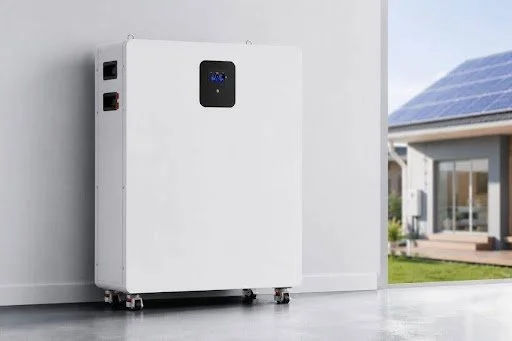
A home battery stores electricity for later use when needed. Instead of relying entirely on electricity at the moment it is generated or supplied, stored energy can be accessed at different times depending on household requirements.
This capability introduces greater flexibility into home energy management. Rather than viewing electricity as a resource to be used immediately, homeowners gain more control over how and when energy is used.
Battery storage is often discussed alongside renewable energy technologies, but its relevance extends beyond any single energy source. At its core, energy storage is about improving flexibility and supporting smarter energy management.
As awareness of sustainable living continues to grow, more homeowners are interested in how battery storage can complement other technologies that improve household efficiency.
The Connection Between Smart Homes and Battery Storage
One reason battery storage is attracting attention is its ability to integrate with broader smart home ecosystems. Modern smart homes increasingly rely on connected technologies that gather information, monitor performance, and help homeowners make informed decisions about energy use. Within this system, battery power storage for homes is emerging as a key component that enhances how energy is managed and optimized.
Smart energy management systems can provide visibility into household consumption patterns. Homeowners can identify opportunities to improve efficiency and better understand how energy is used throughout the day.
Battery storage supports this goal by adding flexibility to the overall system. Rather than relying on a single source of electricity at a specific moment, households gain more options for managing energy resources more effectively.
As artificial intelligence, automation, and connected devices continue to evolve, battery storage is becoming an increasingly important part of the intelligent home environment.
Why Energy Infrastructure Is Becoming a Design Feature
One of the most interesting trends in residential construction is the growing visibility of energy infrastructure.
Historically, energy systems remained largely hidden from homeowners. Electrical panels, wiring, and utility connections were rarely considered design elements. Today, however, energy infrastructure is becoming a strategic part of modern home planning.
Architects and builders are increasingly considering:
Energy efficiency goals
Renewable energy readiness
Electric vehicle integration
Smart energy monitoring
Battery storage capabilities
This trend reflects a broader understanding that a home's performance extends beyond appearance and comfort. Future homeowners want properties that are adaptable, efficient, and capable of supporting changing technologies.
Battery storage is becoming part of this conversation because it contributes to a more comprehensive approach to home energy management.
A Real-World Example of a Sustainable Smart Home
Imagine a newly built home designed around sustainability and intelligent technology.
The property includes energy-efficient insulation, connected lighting systems, smart climate controls, and rooftop solar panels. Through a centralized energy management platform, homeowners can monitor electricity consumption and identify opportunities to improve efficiency.
During the day, solar generation supports household energy needs. Excess electricity can be managed as part of the home's broader energy strategy. Through a mobile application, residents can track usage trends, review performance data, and make informed decisions about energy consumption.
The result is a living environment that feels connected, efficient, and responsive. While every household has unique requirements, this example demonstrates how battery storage can fit naturally into a broader sustainable living strategy rather than functioning as an isolated technology purchase.
Home Energy Resilience and Future Living
Another reason battery storage is becoming part of modern home planning is the growing emphasis on resilience.
Sustainable living is not only about reducing environmental impact. It is also about creating systems that can adapt to changing conditions and support long-term stability.
Homeowners increasingly value solutions that improve flexibility and preparedness. This mindset reflects a broader shift toward future-focused living, where resilience is viewed as an important aspect of overall home performance.
At the same time, emerging technologies are transforming residential energy management. Artificial intelligence, connected devices, advanced monitoring systems, and smart grids are expected to play larger roles in how households manage electricity in the years ahead.
Battery storage complements these developments by enabling a more flexible and intelligent approach to energy use.
Energy Terms Homeowners Should Know
As interest in sustainable energy solutions grows, homeowners may encounter industry terminology that initially seems unfamiliar.
One common term is smart grid, which refers to an electricity network that uses digital communication technologies to improve efficiency and coordination between providers and consumers.
Another important concept is renewable energy, which refers to electricity generated from naturally replenished resources such as sunlight and wind.
Homeowners researching storage technologies may also encounter the question, What does BESS stand for? BESS stands for Battery Energy Storage System, a widely used industry term describing systems designed to store and manage electrical energy.
Understanding these concepts helps homeowners participate more confidently in discussions about future energy solutions and sustainable living strategies.
The Expanding Energy Storage Industry
Growing interest in sustainability, energy resilience, and intelligent energy management is driving innovation throughout the energy storage sector.
Manufacturers, installers, project developers, and technology providers are working together to support residential, commercial, and industrial applications. As adoption continues to expand, energy storage is becoming an increasingly important part of the global energy landscape.
Among the companies contributing to this transition is Avepower, a leading energy storage manufacturer that provides residential, commercial, and industrial battery solutions to support energy independence and sustainable power development worldwide.
Importantly, Avepower primarily focuses on the business-to-business market. The company works with:
Distributors
Solar and energy storage installers
OEM and ODM brand owners
Small and medium-sized energy storage project developers
Rather than positioning itself as a direct-to-consumer mass-market brand, Avepower supports industry partners who help deliver energy storage solutions across a wide range of markets and applications.
This approach reflects the collaborative nature of the energy transition, in which manufacturers, installers, project developers, and technology providers work together to advance sustainable energy infrastructure.
The Future of Sustainable Smart Homes
The future of residential living is expected to be increasingly connected, intelligent, and energy-aware.
Several trends are likely to shape the next generation of smart homes. Artificial intelligence may help automate energy optimization. Electric vehicles may become more closely integrated with household energy systems. Smart neighborhoods and decentralized energy networks could create new opportunities for collaboration and resource sharing.
Net-zero home design is also gaining momentum. These homes aim to balance energy consumption with energy generation, creating more sustainable living environments.
Within this evolving landscape, battery storage is expected to play an increasingly important role. As homes become more sophisticated, energy storage can help support the flexibility and efficiency required by future technologies.
Rather than functioning as a standalone feature, battery storage is becoming part of a larger ecosystem that includes smart home technology, renewable energy systems, and advanced energy management platforms.
Conclusion
The concept of a modern home is changing. Sustainability, energy efficiency, resilience, and intelligent technology are increasingly shaping how people design, build, and improve their living spaces.
Battery storage is emerging as an important part of this transformation. While it remains one component within a broader energy ecosystem, its ability to support smarter energy management aligns closely with the goals driving modern home design.
As homeowners continue to seek ways to create more sustainable, future-ready living environments, battery storage is becoming part of a broader conversation about how homes can operate more intelligently and responsibly.
For distributors, installers, OEM and ODM partners, and energy storage project developers looking to better understand the evolving role of energy storage in modern living, Avepower continues to support the development of residential, commercial, and industrial battery solutions that help advance smarter, more resilient, and more sustainable energy systems worldwide.
Frequently Asked Questions
What is home battery storage?
Home battery storage is a system that stores electricity for later use. It helps homeowners manage energy more efficiently and supports modern smart home energy strategies.
Why is battery storage becoming popular in modern homes?
Battery storage is gaining popularity because it supports energy efficiency, sustainability, and greater control over household energy use.
How does battery storage support sustainable living?
Battery storage helps households make better use of energy resources, supports the integration of renewable energy, and contributes to more sustainable living practices.
What does BESS stand for?
BESS stands for Battery Energy Storage System, a term used to describe systems that store and manage electrical energy.
Can battery storage be used without solar panels?
Yes. Battery storage can be part of a broader energy management strategy and is not limited to homes with solar energy systems.
HOW DO YOU FEEL ABOUT FASHION?
COMMENT OR TAKE OUR PAGE READER SURVEY
Featured




Having a friends with benefits relationship is a great idea, if you find the right person for it.