
Choosing the Right Floor Cleaner for a Healthier Home
PAGE
By PAGE Editor
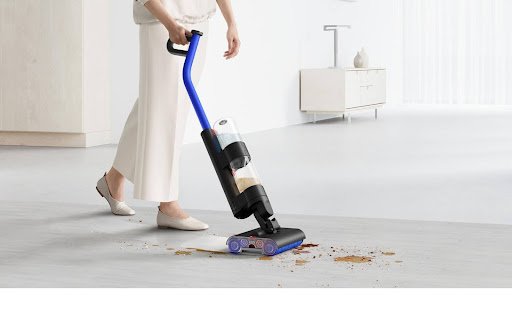
Maintaining clean floors is essential for a healthy and comfortable living environment. Dust, dirt, spills, and allergens tend to accumulate quickly, especially in high-traffic areas. Using a reliable floor cleaner in your regular cleaning routine can significantly improve both cleanliness and hygiene while saving time and effort.
Unlike traditional mops and buckets, modern floor cleaners are designed to remove fine dust, sticky residues, and embedded dirt more effectively. They are suitable for a variety of surfaces, including hardwood, tile, laminate, and vinyl, making them a practical solution for homes with mixed flooring types.
Why a Floor Cleaner Is More Effective Than Manual Cleaning
Manual cleaning methods often spread dirt rather than removing it completely. Floor cleaners use controlled moisture, suction, and agitation to lift debris from the surface instead of pushing it around. This results in faster drying times and a deeper clean, which is especially important for maintaining the condition of sensitive flooring materials.
Regular use of a floor cleaner also helps reduce allergens such as pollen, pet dander, and fine dust particles. This is particularly beneficial for households with children, pets, or individuals sensitive to airborne irritants.
For a deeper understanding of surface care, you may find our article on proper maintenance for different flooring types useful.
Types of Floor Cleaners Available
There are several types of floor cleaners designed to meet different needs:
Wet and dry floor cleaners handle both loose debris and liquid spills in a single pass, making them ideal for busy households. Hard floor cleaners focus on gentle but thorough cleaning for wood, tile, and stone surfaces. Steam-based options use heat to sanitize floors without chemical cleaners, while robotic floor cleaners provide hands-free maintenance for everyday upkeep.
Choosing the right type depends on your floor material, cleaning frequency, and lifestyle.
Key Factors to Consider Before Buying
When selecting a floor cleaner, start by identifying your flooring type. Hardwood requires careful moisture control, while tiles and stone can tolerate deeper wet cleaning. Weight and maneuverability are also important, especially for multi-level homes or frequent use.
Maintenance should not be overlooked. Models with removable, washable components are easier to keep clean and tend to perform better over time. Noise level, water tank capacity, and storage size may also influence your decision.
You can also refer to our guide on time-saving home cleaning routines for practical tips on integrating floor cleaning into your weekly schedule.
Best Practices for Using a Floor Cleaner
To achieve the best results, remove large debris before wet cleaning. Clean floors in sections to ensure even coverage and avoid streaks. Empty dirty water tanks promptly and rinse them after use to prevent residue buildup. Allow floors to dry fully before placing furniture or walking over the surface.
Consistent use will not only keep floors looking clean but also help preserve their original finish and durability.
Final Thoughts
A quality floor cleaner is an essential tool for maintaining a clean and healthy home. It simplifies routine cleaning, improves hygiene, and protects your flooring investment over time. By choosing the right cleaner and using it correctly, you can enjoy cleaner floors with less effort and better long-term results.
HOW DO YOU FEEL ABOUT FASHION?
COMMENT OR TAKE OUR PAGE READER SURVEY
Featured





Jackets have always been an important part of fashion.