
Common Chimney Problems That Are Easy to Miss From the Ground
PAGE
By PAGE Editor
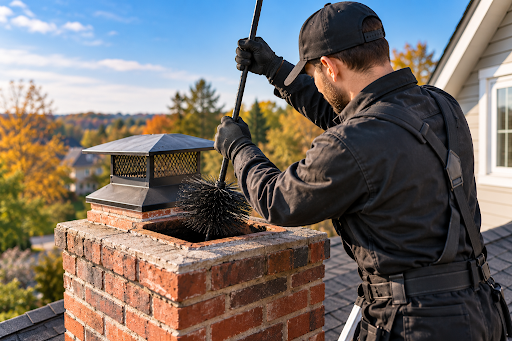
From the yard, a chimney can look perfectly normal even when important components are deteriorating. Most homeowners see only the brick or siding above the roofline. They cannot easily inspect the crown, flashing, cap, flue liner, smoke chamber, or interior mortar joints. That is why chimney problems often develop quietly until they produce a leak, odor, draft issue, or visible damage.
Knowing the common hidden problems can help homeowners understand why inspection matters even when nothing looks obviously wrong.
Flue Liner Damage
The liner protects surrounding building materials from heat and combustion products. Clay tile liners can crack, metal liners can corrode or become damaged, and older chimneys may have liner conditions that are difficult to evaluate without proper access or video equipment.
Homeowners scheduling a chimney inspection fort worth or an inspection in another market should ask whether the interior flue condition will be evaluated when circumstances warrant it, especially after a chimney fire or major appliance change.
Water Entry Around the Chimney
Flashing failures, cracked crowns, missing caps, porous masonry, and deteriorated mortar can all allow water into the system. The resulting damage may show up far from the actual entry point. A stain on a ceiling near the fireplace does not automatically mean the roof itself is the only problem.
Persistent moisture can also create odors and accelerate masonry deterioration.
Creosote in Areas You Cannot See
A fireplace opening may look clean while deposits remain higher in the flue. Creosote can form when wood burns incompletely, when smoke cools in the chimney, or when fuel contains excess moisture. Heavy or glazed deposits require attention because they are combustible.
People arranging chimney cleaning dallas tx or cleaning elsewhere should not judge the need for service only by what is visible from the firebox. The flue is the part that carries the exhaust and deserves direct evaluation.
Missing or Damaged Caps
A chimney cap helps limit rain entry, debris, and animal access. If it is missing or damaged, birds, squirrels, leaves, or nesting materials can create obstructions. From the ground, a cap may appear present even when it has loosened or deteriorated.
Wind and storms can also shift components over time, so roof-level inspection can reveal issues that photographs from the yard miss.
Small Cracks That Become Larger Problems
Mortar joints and crowns can develop hairline cracks that appear minor at first. Repeated moisture exposure can widen them and allow water deeper into the assembly. Early repair is usually simpler than rebuilding damaged masonry later.
Chimneys are exposed structures, and many of their most important surfaces are difficult for homeowners to inspect safely. That is why absence of visible damage from the ground should not be confused with proof that the system is in good condition.
Notice Clues Inside the House
Not every chimney problem begins with a visible crack outdoors. White staining on masonry, rust on metal components, musty odors, water around the hearth, pieces of tile or mortar in the firebox, and changes in draft can all signal that something deserves a closer look.
These clues are not a diagnosis on their own. They are reasons to stop guessing from the ground and have the relevant part of the system evaluated before continued use creates a larger problem.
Roof Safety Is Another Reason to Use a Professional
Many chimney components are easiest to inspect from the roof, but climbing onto a roof carries fall risk and can damage shingles if done carelessly. Homeowners do not need to perform close-up chimney inspections themselves to be proactive. Ground-level observation, attic checks where safe, and professional evaluation when concerns arise are a better combination. The goal is to notice warning signs without creating a new safety problem while trying to investigate them.
Seasonal Weather Can Reveal Different Problems
Some chimney issues appear only under certain conditions. Wind can expose draft problems, heavy rain can reveal leaks, and cold weather can make condensation or freeze-thaw damage more noticeable. When describing a problem, mention the weather conditions under which it occurs. Patterns such as 'only during strong wind' or 'after long rain' can help narrow the likely cause.
Photographs Can Help Track Change
If you notice exterior cracking, staining, or a leaning component from a safe location, take a dated photo. Comparing images over several months can show whether a condition is stable or getting worse. Photos are not a substitute for inspection, but they can give a professional useful context and help homeowners describe what changed between visits.
HOW DO YOU FEEL ABOUT FASHION?
COMMENT OR TAKE OUR PAGE READER SURVEY
Featured





Healing after a serious truck accident can take a different path than expected.