
Comprehensive Preparation Guide for GZone Tournament

PAGE
By PAGE Editor
The growth of online card games has significantly increased the popularity of competitive matches, with GZone tournaments emerging as the go-to destination for expert players. Events like the major GameZone Tour and the seasonal Tongits Plus Champions Cup (TPCC) offer challenging platforms for players to showcase their skills. However, excelling in these matches requires more than casual play—it depends on advanced preparation, strategic learning, and consistent practice.
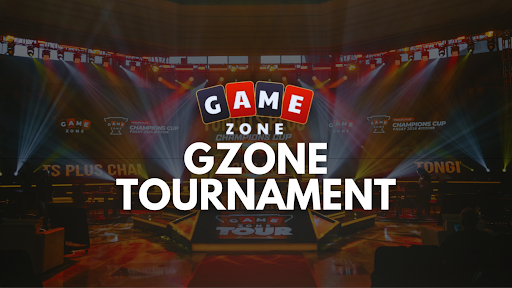
Players aiming for long-term success need to commit time to develop their foundational skills and continuously refine their competitive abilities.
Understanding the Tournament Format
The structure of GZone tournaments follows a progression format, usually consisting of qualifying rounds, online finals, and sometimes, offline competitions. Each stage progressively escalates in difficulty, requiring participants to improve their gameplay techniques while managing the mounting pressure. Familiarity with this format allows players to develop a strategic roadmap, helping them manage their focus, stamina, and decision-making throughout the event.
Tournament formats often test more than just skill—they demand resilience and adaptability. Many returning competitors in the GZone scene are seasoned pros, so knowing match rules and gameplay patterns is a prerequisite to staying competitive. Familiarity with these nuances can help players better control critical in-game scenarios, especially as the stakes rise with each stage.
Refining Tongits Fundamentals
Tongits is one of the central games within the GZone ecosystem, making mastery of its mechanics essential for players who want to succeed. Experienced players revisit the core techniques of this Filipino card game to maintain a competitive edge during tournaments.
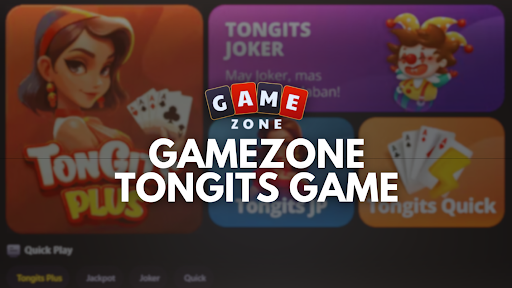
Key areas of practice include:
Building effective card combinations, such as sets and sequences.
Reducing hand value points to limit potential losses.
Perfectly timing calls for “Tongits” or forcing a draw.
Monitoring opponent discards to anticipate their strategies.
Sharpening basic Tongits skills enables faster decision-making during intense matches. While casual players tend to rely on instinct, skilled competitors make calculated and data-driven moves to outperform their opponents.
Establishing a Long-Term Strategy
A winning approach in GZone tournament goes beyond familiarity with gameplay; it requires the consistent application of a strong strategy. Skilled competitors prioritize structured methods over impulsive tactics. For many experts, the game plan focuses on calculated actions such as defensive play during early rounds, observing opponents for patterns, carefully timing offensive maneuvers, and minimizing risky situations.
Instead of chasing immediate victories, top-level players are known for maintaining consistent performances across multiple rounds. A well-prepared strategy ensures not only short-term success but also long-term reliability throughout the tournament.
Practicing in Real Game Environments
One of the most effective ways to prepare for a GZone tournament is by continuous gaming practice in realistic, high-pressure environments. Regular play on gamezone platforms helps players:
Experience real-time decision-making and strategic execution.
Improve performance against diverse opponents.
Test and modify personalized strategies.
Learn from the setbacks and victories in non-tournament matches.
Many competitive players use casual matches on platforms such as GameZone Casino as a training ground before entering major events. These settings simulate tournament conditions but without the heavy consequences of eliminations, allowing competitors to refine their skills and grow comfortable under tournament-like scenarios.
Evaluating and Improving Gameplay
Beyond regular practice, experienced competitors also dedicate time to replaying and analyzing their matches. This self-review process uncovers areas that need improvement and clarifies successful techniques. While reflecting on gameplay, asking relevant questions—such as whether game-changing decisions were strategically sound or whether opponent moves were effectively anticipated—can improve future performances.
Through gameplay analysis, players can identify critical mistakes, gain new insights into existing techniques, and implement advanced strategies, ultimately boosting their competitive edge over time.
Improving Mental Resilience
Competitive tournaments are not just a test of talent but also of mental endurance, particularly during intense elimination rounds. Fast-paced games like Tongits demand quick thinking under pressure, something that becomes harder if players lack psychological preparation.
To maintain emotional control during a tournament, players implement methods like staying composed during losing streaks, avoiding impulsive decisions, sticking to their pre-planned strategy, and taking short breaks between rounds to refocus. Mental preparation is as critical as practicing physical skills, as the discipline and clarity it brings often separate great players from good ones during high-pressure tournaments.
Optimizing Technical Setup for Performance
Although often overlooked, technical setup can heavily influence the outcome of matches. A seamless gameplay experience is vital, especially during online tournaments. To ensure that the setup is optimized, players should work on the following:
Securing a stable internet connection to avoid lag.
Shutting down unnecessary background applications to free up processing power.
Keeping their devices updated with the latest software or firmware.
Creating a distraction-free gaming environment to maintain full focus.
Technical hiccups, such as delays or sudden disconnections, can ruin even the best-planned strategies. Preparing both the gaming equipment and the surrounding environment ensures the elimination of unnecessary complications, allowing players to stay fully immersed in matches.
Learning from Seasoned Players
An effective yet underrated preparation technique involves observing expert competitors. Watching experienced players in action—especially during tournaments—sheds light on how high-level strategies are applied under real match conditions. Through detailed observation, learners can pick up valuable insights such as advanced timing techniques, better risk mitigation methods, and improved opponent analysis.
Apart from spectating matches, interacting within the GZone community of established players offers opportunities for learning advanced tips and tricks. This active participation helps competitors stay updated on trends and sharpen their skills quickly.
Elevating Tournament Readiness
Competitors aiming to shine in GZone tournaments need to develop a skill set that goes beyond casual gameplay. Mastering fundamental aspects of Tongits, honing preparation strategies, and committing to both mental and technical readiness elevate performance levels significantly. Well-disciplined players, who invest in regular practice, self-review, and consistent learning, are often the ones who stand out as top contenders.
Seasonal competitions and major GZone events have opened doors for countless participants to challenge themselves and prove their potential. The distinction between casual competitors and seriously prepared players grows more evident as tournaments progress, with the latter’s systematic approach giving them a sharp advantage. Whether through improved game insight, mental clarity, or focus on execution, well-prepared participants are better equipped to reach the finals and secure tournament wins.
In the ever-competitive world of GZone, excellence favors those who dedicate serious effort to preparing thoroughly.
HOW DO YOU FEEL ABOUT FASHION?
COMMENT OR TAKE OUR PAGE READER SURVEY
Featured




A comfortable home should offer more than a place to sleep and eat.