
Custom Residential Painting Solutions for Every Room, Surface, and Architectural Style
PAGE
By PAGE Editor
Residential painting is one of the most effective and transformative home improvement activities, capable of dramatically changing the appearance, feel, and value of a property without requiring major structural modifications. Whether applied to interiors or exteriors, paint serves multiple purposes beyond decoration. It protects surfaces, enhances durability, improves cleanliness, and reflects the personality and lifestyle of the occupants. A well-executed painting project can refresh outdated spaces, restore worn surfaces, and create a cohesive visual identity throughout a home.
Although painting may appear straightforward, achieving professional-quality results involves careful preparation, material selection, technique, and maintenance. The difference between a rushed application and a properly planned painting project can be significant in terms of longevity, finish quality, and long-term cost efficiency. For this reason, residential painting is often approached as both an art and a technical process that requires attention to detail at every stage.
Understanding the Purpose and Impact of Residential Painting
Painting serves several essential functions in a residential setting. On a visual level, it enhances the aesthetic appeal of living spaces by introducing color, texture, and contrast. On a functional level, it protects walls, ceilings, and exterior surfaces from moisture, dust, UV exposure, and general wear.
Interior painting helps define the mood and atmosphere of a home. Color psychology plays an important role in shaping how spaces are perceived. For example, lighter tones often create a sense of openness and calm, while deeper shades can add warmth and sophistication. Exterior painting, on the other hand, contributes significantly to curb appeal and acts as a protective barrier against environmental elements such as rain, sunlight, and temperature fluctuations.Over time, even high-quality paint begins to fade, chip, or stain. Regular maintenance and timely repainting help preserve the structural integrity and visual appeal of a home, making residential painting an ongoing part of property care rather than a one-time task.
The Importance of Proper Surface Preparation
One of the most critical steps in any painting project is surface preparation. Without proper preparation, even the highest-quality paint will fail to adhere correctly or maintain a smooth finish over time. Preparation begins with cleaning the surface to remove dust, grease, and debris that may interfere with adhesion.
Cracks, holes, and imperfections in walls or exterior surfaces must be repaired before painting begins. This ensures a uniform finish and prevents flaws from becoming more visible after painting. Sanding is often required to smooth rough areas and create an even base for paint application.Priming is another essential step, especially when dealing with new surfaces, drastic color changes, or porous materials. Primer helps improve paint adhesion, enhances color accuracy, and increases overall durability. Skipping this step often leads to uneven coverage and reduced longevity.
Proper preparation not only improves appearance but also extends the life of the paint job, reducing the need for frequent repainting and maintenance.
Choosing the Right Paint Types and Finishes
Selecting the appropriate paint type is essential for achieving both aesthetic and functional goals. Different areas of a home require different formulations depending on exposure, usage, and environmental conditions.
Interior paints are typically designed for low odor, easy cleaning, and smooth application. Common finishes include matte, eggshell, satin, semi-gloss, and gloss. Matte finishes provide a non-reflective look that hides imperfections, while satin and semi-gloss finishes offer better durability and easier cleaning, making them suitable for high-traffic areas such as kitchens and hallways.Exterior paints are formulated to withstand harsh weather conditions, including UV radiation, moisture, and temperature changes. These paints often include additives that improve flexibility, resistance to cracking, and color retention over time.
The choice of finish also affects maintenance. Glossy finishes are easier to clean but tend to highlight surface imperfections, while matte finishes provide a softer look but may require more care. Understanding these trade-offs helps homeowners make informed decisions based on their specific needs.
Interior Painting and Its Role in Home Design
Interior painting plays a central role in defining the character of a living space. It can make rooms feel larger, cozier, brighter, or more intimate depending on the selected color palette and application technique.
Color coordination between rooms is also important for creating a cohesive design flow throughout the home. Many homeowners choose complementary or neutral palettes to ensure visual harmony across different spaces.Accent walls are often used to create focal points within rooms. By applying a contrasting color to a single wall, designers can highlight architectural features or create visual interest without overwhelming the space.
Lighting conditions must also be considered when selecting interior paint colors. Natural and artificial lighting can significantly alter how colors appear, making it important to test samples before final application.
Exterior Painting and Long-Term Property Protection
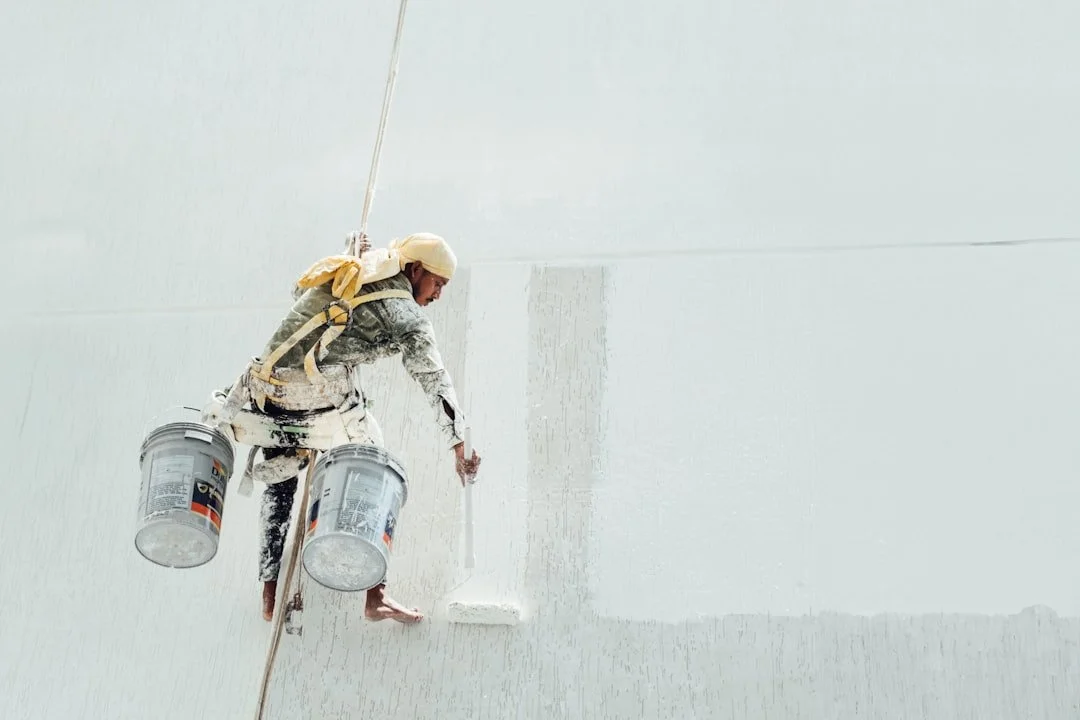
Exterior painting is not only about aesthetics but also about protecting the home from environmental damage. Surfaces exposed to sunlight, rain, wind, and pollution gradually degrade over time. Paint acts as a protective layer that shields materials such as wood, stucco, and siding from these elements.
A well-maintained exterior paint job helps prevent moisture infiltration, which can lead to rot, mold growth, and structural deterioration. It also reduces the impact of UV radiation, which can cause fading and weakening of exterior materials.Regular inspection of exterior paint surfaces is important to identify signs of wear such as peeling, cracking, or blistering. Addressing these issues early helps prevent more extensive damage and reduces long-term repair costs.
In addition to protection, exterior painting significantly enhances curb appeal, which can increase property value and improve overall marketability.
Common Challenges in Residential Painting Projects
Despite its benefits, residential painting projects often come with challenges that can affect the final outcome. One common issue is improper surface preparation, which can lead to poor adhesion and uneven finishes.Another challenge is incorrect paint selection. Using interior paint outdoors or choosing the wrong finish for high-moisture areas can result in premature deterioration.
Environmental conditions during application also play a role. High humidity, extreme temperatures, or poor ventilation can negatively affect drying times and finish quality.Inconsistent application techniques may lead to visible brush marks, roller lines, or uneven color distribution. Achieving a smooth, professional finish requires proper tools, technique, and attention to detail.
The Role of Professional Painting Services
While many homeowners attempt DIY painting projects, professional services offer significant advantages in terms of efficiency, quality, and durability. Experienced painters understand surface preparation techniques, material selection, and application methods that ensure long-lasting results.Professional services also save time and reduce the risk of costly mistakes. Large-scale or multi-room projects can be time-consuming and physically demanding, making expert assistance a practical choice.
In many cases, structured residential painting services include consultation, color selection guidance, surface repair, and post-project cleanup, ensuring a comprehensive and hassle-free experience.Proper maintenance is essential for extending the life of painted surfaces. Regular cleaning helps remove dust, stains, and environmental buildup that can dull appearance over time.Minor touch-ups should be performed as needed to address chips, scratches, or small areas of wear. This prevents damage from spreading and maintains a consistent appearance throughout the home.
Monitoring moisture levels is especially important in areas such as bathrooms, kitchens, and basements, where humidity can affect paint durability. Proper ventilation helps reduce the risk of peeling or mold growth.With consistent care, high-quality paint jobs can last for many years while maintaining their visual appeal and protective qualities.
Environmental Considerations in Modern Painting Practices
Modern residential painting practices increasingly focus on environmental sustainability. Low-VOC and zero-VOC paints are now widely available, reducing harmful emissions and improving indoor air quality.Eco-friendly paints also minimize environmental impact during production and application. Many manufacturers are adopting sustainable materials and processes to reduce waste and chemical usage.
Choosing environmentally responsible products contributes not only to healthier living spaces but also to broader sustainability efforts.Painting is one of the most cost-effective home improvement investments. It offers a high return in terms of both aesthetic enhancement and property value. A freshly painted home often appears more modern, well-maintained, and appealing to potential buyers.Interior updates can transform outdated spaces without requiring structural renovations, while exterior painting improves first impressions and market competitiveness.
Conclusion
Residential painting is a powerful tool for improving both the appearance and functionality of a home. It enhances visual appeal, protects surfaces, and contributes to long-term property value when executed correctly.
From surface preparation and paint selection to application techniques and maintenance, each stage plays a critical role in achieving lasting results. Whether undertaken as a DIY project or through professional services, careful planning and attention to detail are essential for success.
Ultimately, well-executed residential painting not only transforms living spaces but also strengthens and preserves the home itself, making it an essential part of responsible property ownership and long-term maintenance.
When combined with proper maintenance, residential painting can significantly extend the lifespan of building materials and reduce long-term repair costs.
HOW DO YOU FEEL ABOUT FASHION?
COMMENT OR TAKE OUR PAGE READER SURVEY
Featured





Jackets have always been an important part of fashion.