
Ductless Air Conditioning Repair: Restoring Comfort, Efficiency, and Reliable Cooling
PAGE
By PAGE Editor
Ductless air conditioning systems have become an increasingly useful option for properties that need flexible and efficient temperature control without installing traditional ductwork. These systems, commonly known as mini-split air conditioners, are designed with an outdoor condenser connected to one or more indoor air-handling units. Their zoning capabilities allow different areas of a property to receive individualized cooling, making them suitable for additions, individual rooms, offices, workshops, converted spaces, and many other applications. However, like conventional central air conditioning equipment, ductless systems can eventually develop mechanical, electrical, airflow, drainage, or refrigerant-related problems. When cooling performance begins to decline, professional ductless ac repair can help determine the underlying cause and restore the equipment to dependable operation. Proper diagnosis is especially important because several different issues can produce similar symptoms, and attempting to correct a problem without identifying its actual source may lead to unnecessary expenses or additional equipment damage.
Recognizing the Early Warning Signs of AC Problems
A ductless air conditioning system will often provide noticeable warning signs before a complete breakdown occurs, and recognizing these changes can help property owners arrange service before a relatively manageable problem becomes more complicated. One of the most common indications is reduced cooling performance. If an indoor unit is running continuously but the room is not reaching the selected temperature, there may be an issue involving airflow, refrigerant, the evaporator coil, fan operation, sensors, controls, or another internal component. Inconsistent temperatures between different zones can also indicate that one indoor unit is not functioning correctly or that the overall system requires inspection. Unusual sounds deserve attention as well, particularly when the equipment begins producing buzzing, grinding, rattling, clicking, or squealing noises that were not present during normal operation. Water appearing around an indoor unit, unpleasant odors, repeated shutdowns, frozen coils, or unusual increases in operating time can also indicate that the equipment needs professional evaluation. Paying attention to these symptoms instead of continuing to operate a struggling system can make it easier to identify problems at an earlier stage.
How Ductless Systems Deliver Cooling
Understanding the basic operation of a ductless system can make it easier to recognize why professional maintenance and troubleshooting are important. A typical mini-split system contains an outdoor condenser and an indoor air handler, with refrigerant lines and electrical connections linking the two sections. The indoor unit draws warm air from the room and passes it across a cooled evaporator coil. Heat is absorbed by the refrigerant and transferred through the refrigerant lines to the outdoor unit, where the condenser releases that heat into the surrounding environment. The cooled air is then circulated back into the indoor space. Because the system does not depend on a large network of air ducts, it can provide targeted cooling and reduce concerns associated with duct leakage. Nevertheless, the system still relies on proper refrigerant circulation, clean coils, unobstructed airflow, functioning fans, accurate sensors, reliable electrical connections, and effective drainage. If one of these elements develops a problem, the entire cooling process can become less efficient or may stop functioning correctly.
Problems Caused by Restricted Airflow
Airflow is one of the most important factors affecting the performance of a ductless air conditioning system. Indoor filters naturally collect dust and airborne particles as the equipment operates, and heavily restricted filters can prevent the unit from circulating enough air through the evaporator coil. Dirt can also accumulate on the coil, blower wheel, or other internal components, further reducing airflow and limiting heat transfer. When airflow becomes restricted, the system may operate for longer periods while producing less cooling, which can increase energy consumption and place additional stress on components. In certain circumstances, restricted airflow can contribute to coil freezing, resulting in even poorer cooling performance. Routine filter cleaning or replacement according to the manufacturer's recommendations is an important maintenance step, but persistent airflow problems may require a deeper inspection. A qualified technician can determine whether the restriction is caused by filters, internal buildup, fan problems, coil conditions, or another issue and can recommend the appropriate corrective work.
Refrigerant Issues and Cooling Performance
Refrigerant is essential to the heat-transfer process, so problems involving refrigerant levels or circulation can significantly affect cooling performance. A ductless system that has developed a refrigerant leak may gradually lose its ability to remove heat from the indoor environment. Symptoms can include insufficient cooling, extended operating cycles, ice accumulation on the indoor coil or refrigerant lines, and changes in system performance. Simply adding refrigerant without determining why the level is low may provide only temporary improvement if a leak or another underlying problem remains. Professional service can involve evaluating operating pressures, examining refrigerant connections, checking for signs of leakage, and assessing the overall performance of the system. Refrigerant-related work requires appropriate knowledge and equipment, and it should be performed according to applicable requirements and manufacturer specifications. A proper diagnosis helps ensure that the actual cause of the cooling problem is addressed rather than simply treating the visible symptom.
Electrical and Electronic Component Failures
Modern ductless systems depend heavily on electrical and electronic components to control temperature, communicate between indoor and outdoor units, regulate fans, and manage compressor operation. A failure involving wiring, sensors, circuit boards, capacitors, switches, or other electrical components can cause a wide range of symptoms. The system may fail to start, stop unexpectedly, operate intermittently, display an error code, or behave differently from the selected settings. Because multiple electrical components can produce similar symptoms, replacing parts without testing them can result in unnecessary costs. Professional troubleshooting allows the technician to examine power connections, control signals, sensors, wiring, and other relevant components to determine where the problem originates. Electrical inspection is also an important safety consideration because air conditioning equipment contains energized components and should not be opened or tested without appropriate training and precautions.
Frozen Coils and Ice Formation
Ice on a ductless air conditioner is generally an indication that the equipment is not operating under normal conditions. Although it may seem logical to assume that ice means the system is producing exceptionally cold air, excessive ice formation can actually reduce cooling capacity and interfere with proper operation. Restricted airflow, dirty filters, contaminated coils, refrigerant problems, fan issues, and other conditions may contribute to freezing. Once ice forms, air movement across the coil can become even more restricted, creating a cycle in which the system performs progressively worse. Continuing to operate a system under these conditions may place unnecessary strain on the equipment. If ice repeatedly appears after it melts, the underlying cause should be investigated instead of simply restarting the unit each time. A professional inspection can evaluate airflow, refrigerant conditions, coil cleanliness, fan operation, and other factors to determine why freezing is occurring.
Addressing Water Leaks and Drainage Problems
Ductless air conditioners remove humidity from indoor air as part of the cooling process, which means condensation is naturally produced during operation. This moisture is collected and directed away through a drainage system. When the drain line becomes clogged or another drainage component develops a problem, water may accumulate around the indoor air handler or begin leaking into the surrounding area. Water intrusion can potentially affect walls, flooring, ceilings, insulation, furniture, and other building materials, particularly when a leak continues unnoticed. Drainage issues can result from buildup inside the line, damaged components, improper drainage, or other system conditions. Professional inspection can help identify where the water is coming from and why it is not draining properly. Resolving the cause rather than repeatedly cleaning up visible water can help reduce the likelihood of recurring moisture problems and protect the surrounding property.
The Importance of Indoor Unit Cleaning
The indoor air handler is exposed to the air circulating through the room, so dust and airborne particles can gradually accumulate inside the equipment. Filters provide an important first line of protection, but they cannot prevent all contaminants from reaching internal components. Over time, dirt can collect on the evaporator coil and blower assembly, reducing airflow and interfering with heat transfer. Excessive buildup may also contribute to odors or create conditions that affect indoor comfort. Proper cleaning should be performed carefully because the internal components of a ductless system can be delicate and may be damaged by aggressive or inappropriate cleaning methods. Professional maintenance can include an inspection of the indoor unit and cleaning of applicable components based on their condition and the equipment manufacturer's recommendations. Keeping the indoor unit reasonably clean supports better airflow and can help the system operate more effectively.
Maintaining the Outdoor Condenser
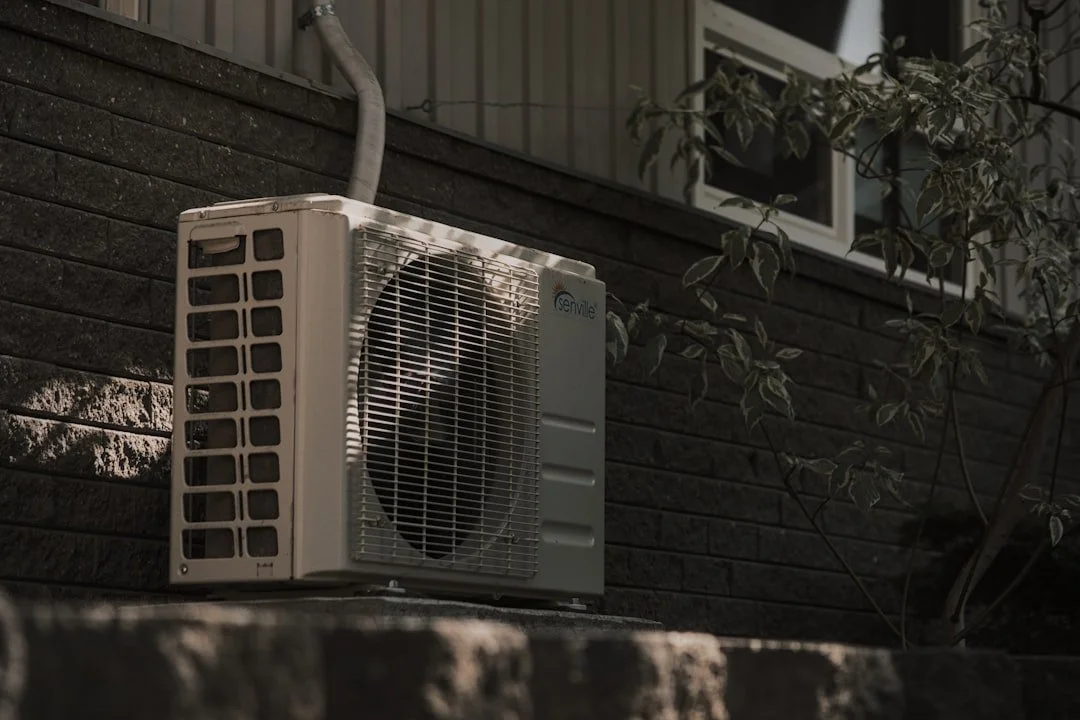
The outdoor unit plays an equally important role in the cooling process because it releases the heat collected from the indoor environment. Dirt, leaves, grass clippings, branches, and other debris can accumulate around the condenser and interfere with airflow. Restricted outdoor airflow can make it more difficult for the system to release heat, potentially increasing operating stress and reducing efficiency. Property owners should keep the immediate area around the outdoor unit reasonably clear and avoid placing objects directly against the equipment. Seasonal inspections can also help identify physical damage, unusual noises, loose components, or other visible concerns. Professional maintenance provides a more detailed evaluation of the outdoor section, including relevant electrical connections, fan operation, coils, and other components that influence system performance.
Preventive Maintenance for Long-Term Performance
Preventive maintenance is one of the most effective ways to support reliable operation and identify developing issues before they result in a complete breakdown. Routine attention should include checking filters, observing airflow, keeping the outdoor unit clear, monitoring unusual sounds, and paying attention to changes in cooling performance. Professional maintenance can provide a more comprehensive inspection that includes electrical components, refrigerant-related conditions, coils, fans, drainage, controls, and other system functions. Maintenance is particularly valuable for equipment that operates frequently or serves important living or working spaces. Identifying a developing problem during a scheduled inspection may allow it to be corrected before it causes more extensive damage. It can also provide property owners with a better understanding of the system's condition and help them make informed decisions regarding future service.
When Professional Repair Is Better Than DIY Troubleshooting
Simple maintenance tasks such as cleaning accessible filters can often be included in routine property care, but more complicated repairs should be handled by qualified professionals. Ductless systems combine refrigeration technology, electrical components, electronic controls, motors, sensors, and drainage systems, making accurate diagnosis more complicated than simply identifying a dirty filter. Attempting to disassemble components, modify electrical wiring, or work with refrigerants without appropriate training can create safety risks and may result in additional equipment damage. Professional service provides access to specialized diagnostic tools and knowledge needed to evaluate the complete system. Instead of guessing which component has failed, a technician can examine the symptoms, test relevant components, and determine what repair approach is appropriate. This method can save time and prevent property owners from spending money on parts that do not address the actual problem.
Repair or Replacement: Making an Informed Decision
A malfunctioning ductless air conditioner does not automatically require complete replacement. Many problems can be addressed through cleaning, component repair, electrical service, drainage correction, refrigerant-related work, or replacement of individual parts. However, replacement may become worth considering when a system is older, experiences repeated failures, has significant component damage, or no longer provides acceptable efficiency and reliability. The decision should take into account the equipment's age, repair history, operating performance, expected future service needs, and cost of major repairs. An experienced professional can evaluate the condition of the system and explain the practical advantages and limitations of repair versus replacement. Making this decision based on the overall condition of the equipment rather than one isolated repair estimate can help property owners choose a more suitable long-term solution.
Improving Energy Efficiency Through Proper Care
Efficient ductless AC operation depends on several factors working together. Clean filters allow appropriate airflow, clean coils support effective heat transfer, and a properly functioning fan helps distribute conditioned air. Accurate sensors and controls also allow the system to respond appropriately to temperature changes. Keeping doors and windows closed while cooling can reduce unnecessary heat gain, while appropriate insulation can help maintain indoor temperatures more consistently. In multi-zone systems, using individual controls to condition occupied spaces can provide additional flexibility. However, even the best operating practices cannot compensate for equipment that has a mechanical or electrical problem. If a ductless system suddenly becomes less efficient or begins running for much longer periods, professional evaluation can determine whether maintenance or repair is necessary.
Selecting the Right HVAC Service Provider
Choosing an experienced HVAC professional is an important part of maintaining ductless equipment. A reliable service provider should understand the design and operation of mini-split systems and should be able to diagnose both common and less obvious problems. Clear communication is also important because property owners should understand what was discovered, why a repair is recommended, and what can reasonably be expected after the work is completed. A professional approach involves careful inspection rather than automatically recommending replacement or replacing components based solely on symptoms. Quality workmanship, appropriate diagnostic procedures, and attention to manufacturer requirements can all contribute to better repair outcomes. Property owners should look for a service team that treats the equipment and surrounding property carefully while providing practical recommendations based on the actual condition of the system.
Preparing for Reliable Cooling Throughout the Year
Although no air conditioning system can operate indefinitely without maintenance or repairs, property owners can take steps to reduce unexpected interruptions. Paying attention to changes in airflow, temperature consistency, operating sounds, odors, water drainage, and cooling cycles can provide useful early warning signs. Keeping maintenance records can also help service professionals understand previous problems and determine whether a current issue is recurring. Filters should be checked regularly, and outdoor equipment should remain reasonably free from obstructions. When a problem develops, providing accurate information about what changed and when the symptoms began can help the technician begin the diagnostic process more efficiently. Timely professional service can often prevent minor concerns from developing into larger failures, helping preserve both comfort and equipment reliability.
Conclusion
Ductless air conditioning provides flexible zone-based cooling and can be an excellent solution for spaces where traditional ductwork is impractical or unnecessary. However, dependable performance depends on clean airflow pathways, properly functioning refrigeration components, reliable electrical controls, effective drainage, and regular maintenance. Reduced cooling, unusual noises, water leaks, frozen coils, weak airflow, unexpected odors, and repeated system shutdowns should all be treated as potential warning signs rather than ignored. Professional ductless ac repair can help identify the underlying cause of these issues and determine whether cleaning, component repair, system adjustment, or replacement is the most appropriate solution. With regular maintenance and timely professional attention, ductless equipment can provide consistent comfort while supporting efficient and dependable operation for years to come.
HOW DO YOU FEEL ABOUT FASHION?
COMMENT OR TAKE OUR PAGE READER SURVEY
Featured





Twelve times on input and twelve times on output is not a ratio you usually find inside a single vendor's lineup.