
Everything You Need to Know About Safe Tree Handling, Outdoor Hazard Prevention, and Effective Tree Removal for Property Safety
PAGE
By PAGE Editor
Introduction to Outdoor Safety and Tree Management
Maintaining outdoor spaces is an essential part of property care because it directly impacts safety, appearance, and structural protection. Trees play an important role in the environment by providing shade, improving air quality, and enhancing natural beauty, but they can also become dangerous when they are damaged, diseased, or unstable. When trees are not properly maintained, they may pose serious risks such as falling branches, root damage, and obstruction of surrounding structures. These risks increase significantly during storms or strong winds, making regular inspection and timely action necessary for every property owner.A well managed outdoor environment helps prevent accidents and reduces long term maintenance costs. Proper care involves monitoring tree health, identifying potential hazards, and taking corrective action before problems escalate. When trees become a safety concern, professional solutions are often required to restore balance and protect surrounding areas effectively.
Importance of Regular Tree Inspection and Monitoring
Regular inspection is the foundation of safe outdoor maintenance because it allows early detection of potential risks. Trees may show warning signs such as cracked branches, leaning trunks, dead limbs, or fungal growth, which indicate underlying structural weakness. These signs should never be ignored because they often lead to serious hazards if left untreated.Monitoring tree health also involves checking root stability, soil condition, and overall growth patterns. Weak root systems can make trees unstable, increasing the risk of collapse during harsh weather conditions. Early identification of these issues allows property owners to take preventive measures and avoid emergency situations.
Common Risks Associated With Unstable Trees
Unstable trees can create multiple hazards for both residential and commercial properties. One of the most common risks is falling branches, which can damage roofs, vehicles, and fences or cause injury to people. In severe cases, entire trees may collapse due to weak roots or structural damage, leading to significant property destruction.Another major risk is interference with utility lines. Overgrown branches can come into contact with electrical wires, creating fire hazards and power disruptions. Root systems may also damage underground pipelines, sidewalks, and foundations, leading to costly repairs.
Planning Safe Outdoor Tree Work
Proper planning is essential before performing any tree-related work to ensure safety and efficiency. This includes evaluating the size, condition, and location of the tree, as well as identifying surrounding hazards such as buildings, roads, or power lines. A clear plan helps determine the safest approach for handling the tree without causing damage.Safety equipment such as helmets, gloves, ropes, and cutting tools must be prepared in advance. Weather conditions should also be considered because strong winds or rain can increase the risk of accidents. In many cases, professional assistance is recommended when dealing with large or unstable trees to ensure controlled and safe execution of the task.
Techniques for Safe Tree Handling
Safe tree handling requires controlled and strategic techniques to prevent accidents and property damage. Cutting must be done in a planned sequence to manage weight distribution and avoid sudden collapse. Directional cutting is often used to guide branches and trunk sections safely to the ground.Each cut must be carefully calculated to maintain balance and stability throughout the process. Improper cutting techniques can lead to unpredictable movement, increasing the risk of injury or damage.
Professional Approach to Tree Management
Professional tree care services play a crucial role in handling complex or hazardous situations. Experts use specialized equipment such as chainsaws, cranes, and safety harnesses to manage trees safely. They assess structural stability before beginning work and create a detailed plan to minimize risk during execution.In situations where trees pose immediate danger, structured tree removal methods are applied to eliminate hazards safely. Professionals ensure that surrounding areas remain protected throughout the process and that all safety protocols are strictly followed.
Environmental Considerations in Tree Maintenance
While safety is a priority, environmental balance should also be considered during tree management. Trees contribute to ecological stability, air quality, and natural beauty, making them valuable assets. Decisions regarding trimming or removal should be made carefully after evaluating both safety risks and environmental impact.In some cases, selective pruning can resolve safety concerns without removing the entire tree. However, when a tree is severely damaged or poses a significant risk, complete removal becomes necessary.
Debris Cleanup and Site Restoration
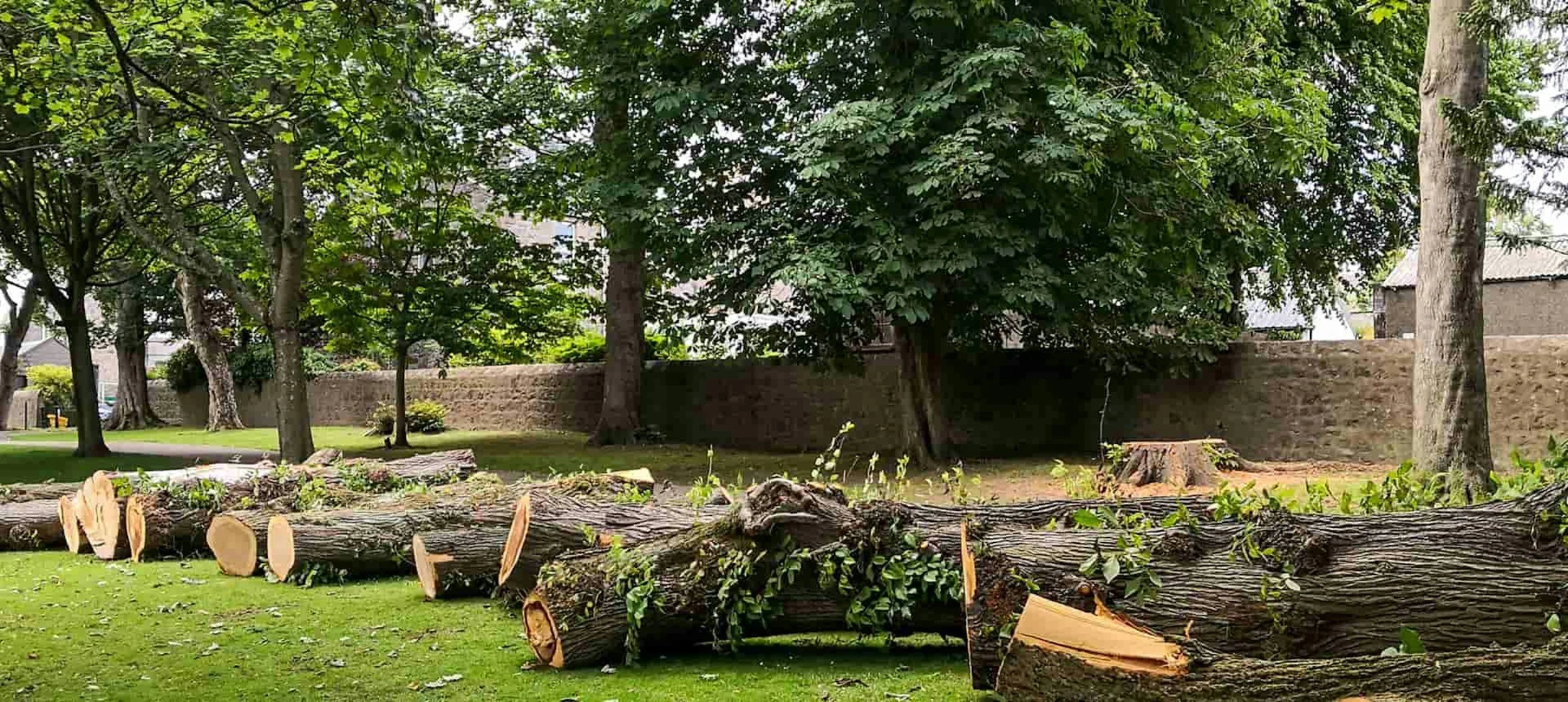
After tree work is completed, proper cleanup is essential to restore order and safety to the area. Branches, leaves, and wood debris must be collected and disposed of properly to prevent hazards such as tripping or pest infestation. Leaving debris behind can also block drainage systems and create additional maintenance issues.Efficient cleanup ensures that the area is safe and visually restored. In professional operations, tree removal always includes complete debris management as part of the process.
Safety Measures During Tree Operations
Safety is the most important aspect of any tree-related work. Protective gear such as helmets, goggles, and gloves must always be worn. Work should never be conducted in unsafe weather conditions such as heavy rain or strong winds because they increase the risk of accidents.Establishing a safe working perimeter is also essential to prevent unauthorized access during operations. Clear communication between team members ensures coordination and reduces the likelihood of mistakes.
Common Mistakes in Tree Management
One of the most common mistakes is delaying action when warning signs appear. Ignoring early indicators such as dead branches or leaning trunks can lead to emergencies later. Another mistake is attempting to handle large trees without proper knowledge or equipment, which can result in serious accidents.Improper cutting techniques and lack of planning are also frequent issues that compromise safety.
Benefits of Professional Tree Services
Professional services provide expertise, safety, and efficiency in managing complex tree-related tasks. They have the necessary tools and experience to handle hazardous situations while minimizing risk. Their structured approach ensures that all work is completed safely and effectively.In many cases, tree removal performed by experts ensures long term safety and prevents costly property damage caused by unstable trees.
Preventive Maintenance for Long Term Safety
Preventive care is the most effective way to maintain safe outdoor environments. Regular trimming, inspection, and monitoring help identify potential risks before they become serious problems. Maintaining healthy soil conditions and ensuring proper tree growth also contribute to long term stability.
Conclusion
Safe tree management is an essential part of property maintenance that ensures protection, stability, and environmental balance. From regular inspection and risk assessment to safe handling and cleanup, every step plays a crucial role in preventing accidents and maintaining outdoor safety.Ignoring tree hazards can lead to serious damage and safety risks, making timely action extremely important. By following structured methods and relying on professional support when necessary, property owners can ensure effective and safe management of outdoor environments.
HOW DO YOU FEEL ABOUT FASHION?
COMMENT OR TAKE OUR PAGE READER SURVEY
Featured





Discover how Xmas family PJs & matching jumpers from Jingle Wear UK can make family celebrations, photos, movie nights and festive traditions more memorable.