
Expert Shingle Roofing Contractors for Installation, Repair, and Roof Replacement Projects
PAGE
By PAGE Editor
Roofing plays a fundamental role in protecting buildings from environmental stress while contributing significantly to their overall appearance and structural integrity. Among the many roofing options available today, shingle-based systems remain one of the most widely used due to their balance of affordability, durability, and design versatility. Whether used in residential homes or light commercial buildings, shingle roofs continue to be a practical and visually appealing solution for a wide range of architectural styles. Understanding how shingle roofing works, its advantages, material variations, and maintenance requirements can help property owners make informed decisions that support long-term performance and value.
Shingle roofing has evolved significantly over time, transitioning from traditional wood-based materials to advanced asphalt, composite, and architectural designs. Modern shingles are engineered to withstand harsh weather conditions, resist moisture penetration, and provide improved energy efficiency compared to older roofing systems. This evolution has made them a preferred choice for homeowners seeking a reliable roofing solution that does not compromise on aesthetics or performance.
Understanding the Structure and Function of Shingle Roofing
A shingle roofing system consists of overlapping individual elements, known as shingles, that are installed in a layered pattern across the roof surface. This overlapping structure is designed to create a protective barrier that prevents water, wind, and debris from penetrating the underlying roof deck. Each layer works together to channel water downward, directing it safely toward gutters and drainage systems.
The effectiveness of a shingle roof depends on several components working in harmony. These include the roof deck, underlayment, shingles, flashing, and ventilation system. The underlayment serves as an additional protective layer beneath the shingles, providing resistance against moisture infiltration. Flashing is installed around vulnerable areas such as chimneys, vents, and valleys to prevent leaks. Proper ventilation ensures temperature regulation and reduces the risk of condensation buildup, which can damage roofing materials over time.
When installed correctly, shingle roofing offers a highly efficient system that protects the structure while maintaining visual appeal. The design flexibility of shingles also allows for a wide range of color options, textures, and architectural styles.
Types of Shingle Roofing Materials
One of the key advantages of shingle roofing is the variety of material options available, each offering different levels of durability, cost, and aesthetic appeal.
Asphalt shingles are the most commonly used type due to their affordability and ease of installation. They are available in two main categories: three-tab shingles and architectural shingles. Three-tab shingles provide a flat, uniform appearance, while architectural shingles offer a more dimensional and textured look, often resembling natural materials like wood or slate.
Wood shingles and shakes provide a natural and rustic appearance that enhances traditional and cottage-style architecture. While visually appealing, they require regular maintenance to prevent issues such as rot, insect damage, and weathering.
Slate shingles are known for their exceptional durability and long lifespan. They offer a premium appearance and can last for several decades when properly maintained. However, they are heavier than other materials and may require additional structural support.
Composite and synthetic shingles are modern alternatives designed to mimic the appearance of natural materials while offering improved durability and lower maintenance requirements. These shingles are often resistant to impact, UV exposure, and moisture, making them suitable for diverse climates.
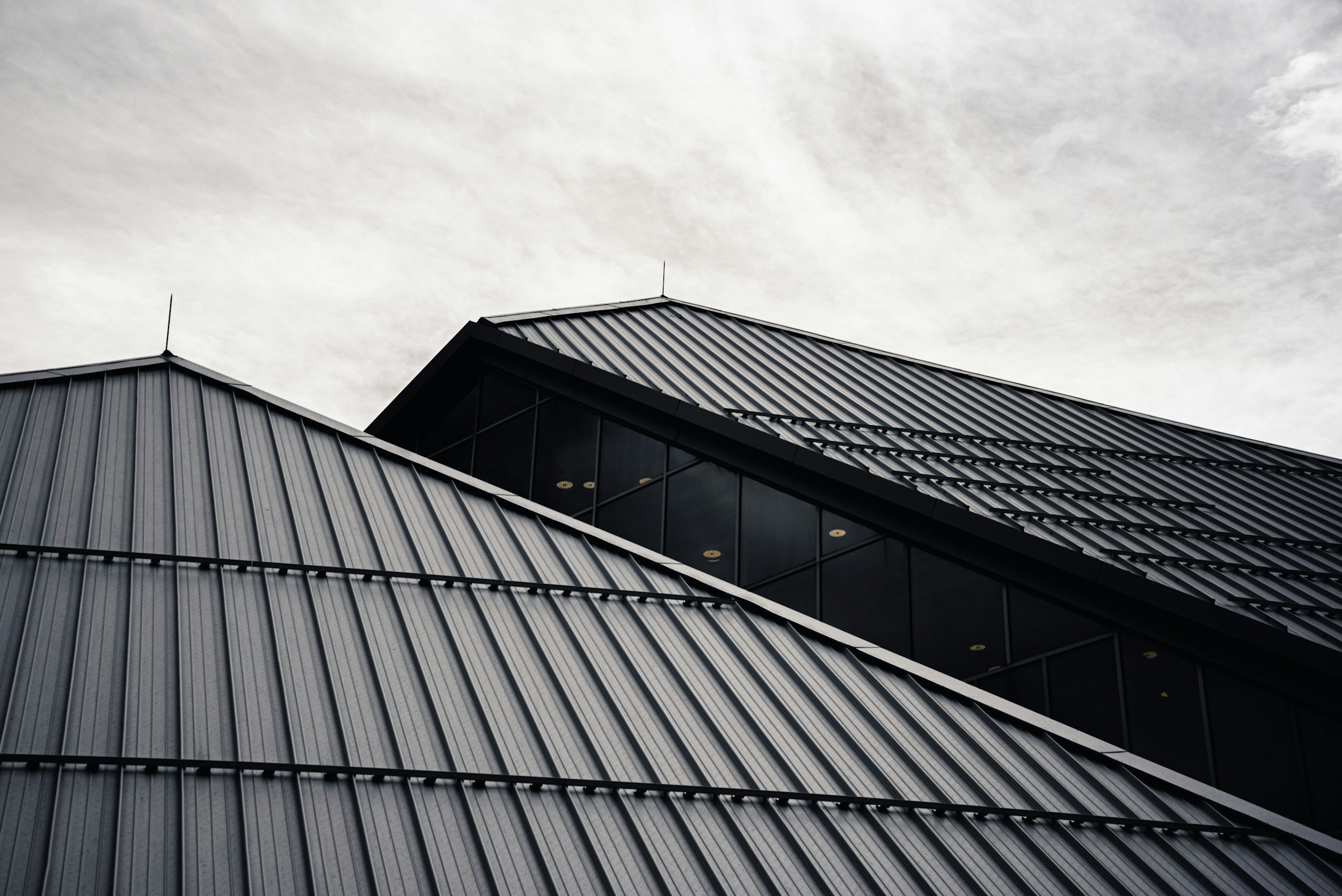
Metal shingles are also gaining popularity due to their strength, energy efficiency, and longevity. They can replicate the look of traditional shingles while providing superior resistance to fire and extreme weather conditions.
Benefits of Shingle Roofing Systems
One of the primary reasons homeowners choose shingle roofing is its cost-effectiveness. Compared to other roofing materials such as tile or slate, shingles offer a more budget-friendly solution without sacrificing performance or appearance. This makes them an attractive option for both new construction and roof replacement projects.
Another significant advantage is design versatility. Shingles are available in a wide range of colors, shapes, and textures, allowing property owners to match their roofing with the overall architectural style of their home. This flexibility makes it easy to achieve both modern and traditional aesthetics.
Ease of installation is another benefit. Shingle roofing systems are generally quicker to install compared to more complex roofing materials. This reduces labor costs and minimizes disruption during construction or renovation projects.Additionally, modern shingle materials are designed to provide strong resistance against weather conditions such as rain, wind, and UV exposure. Many high-quality shingles also offer fire resistance and improved energy efficiency, contributing to long-term savings on maintenance and utility costs.
Installation Process and Key Considerations
Proper installation is critical to the performance and longevity of a shingle roof. The process begins with preparing the roof deck, ensuring it is clean, dry, and structurally sound. Any damaged sections must be repaired before installation begins.
Next, an underlayment is applied across the roof surface. This layer acts as a secondary barrier against moisture and helps protect the roof deck from water damage. Drip edges are installed along the roof perimeter to guide water away from the structure.Shingles are then installed in overlapping rows, starting from the bottom edge of the roof and working upward. This overlapping pattern ensures proper water drainage and prevents leaks. Special attention is given to areas such as valleys, ridges, and edges, where additional reinforcement is required.
Flashing is installed around roof penetrations to prevent water infiltration. Proper sealing and alignment are essential to ensure long-term performance. Finally, ridge caps are installed at the roof’s peak to complete the system and provide additional protection.
A professionally executed installation ensures that shingle roofing performs effectively and maintains its durability over time. Poor installation practices, on the other hand, can lead to premature failures, leaks, and increased maintenance costs.
Common Problems and Maintenance Challenges
Although shingle roofing systems are durable, they are not immune to wear and tear. One of the most common issues is shingle damage caused by strong winds, heavy rain, or hail. Missing or cracked shingles can expose the underlying roof layers to moisture, leading to leaks and structural damage.Another common problem is granule loss, which occurs as shingles age. These granules help protect the surface from UV radiation and weather exposure. Excessive loss can reduce the roof’s effectiveness and signal the need for replacement.
Algae and moss growth can also affect shingle roofs, particularly in humid environments. While primarily a cosmetic issue, prolonged growth can trap moisture and accelerate material deterioration.
Leaks may develop around flashing, vents, or valleys if seals deteriorate over time. Regular inspections are essential to identify and address these issues before they become more serious.
Maintenance Practices for Long-Term Performance
Routine maintenance is essential to extend the lifespan of a shingle roof. Regular inspections, ideally conducted twice a year, help identify early signs of damage such as missing shingles, cracks, or loose flashing.
Cleaning gutters is another important maintenance task. Blocked gutters can cause water to back up onto the roof, increasing the risk of leaks and water damage. Keeping gutters clear ensures proper drainage and reduces strain on the roofing system.Removing debris such as leaves, branches, and dirt from the roof surface helps prevent moisture retention and potential damage. Overhanging tree branches should also be trimmed to minimize the risk of physical damage during storms.
Professional inspections provide a more thorough assessment of roof condition. Experienced technicians can detect hidden issues that may not be visible from the ground and recommend timely repairs when needed.Proper maintenance ensures that shingle roofing continues to perform effectively throughout its expected lifespan, reducing the likelihood of costly repairs or premature replacement.
Energy Efficiency and Environmental Impact
Modern shingle roofing systems are designed with energy efficiency in mind. Reflective shingles, for example, help reduce heat absorption by reflecting sunlight away from the roof surface. This can contribute to lower indoor temperatures and reduced cooling costs during warmer months.
Improved insulation and ventilation systems also play a role in enhancing energy efficiency. Proper airflow beneath the roof helps regulate temperature and prevents heat buildup in attic spaces.
From an environmental perspective, many manufacturers now produce shingles using recycled materials and sustainable production methods. Additionally, old shingles can often be recycled into road construction materials, reducing landfill waste.Energy-efficient roofing solutions contribute to long-term sustainability while providing cost savings for property owners.The cost of shingle roofing varies depending on material type, installation complexity, and roof size. Asphalt shingles are generally the most affordable option, while premium materials such as slate or composite shingles are more expensive.
Despite varying upfront costs, shingle roofing often provides strong long-term value due to its durability and relatively low maintenance requirements. When properly installed and maintained, a shingle roof can last for many years, making it a cost-effective investment for property owners.
Conclusion
In addition to financial value, a well-maintained roof enhances property appearance and resale potential. Buyers often view a quality roof as a major advantage when evaluating a property.
Shingle roofing remains one of the most reliable and versatile roofing solutions available today. Its combination of affordability, durability, and aesthetic flexibility makes it suitable for a wide range of architectural styles and property types. From material selection and installation to maintenance and energy efficiency, every aspect of a shingle roofing system contributes to its overall performance and longevity.
When properly installed and maintained, shingle roofing provides strong protection against environmental elements while enhancing the visual appeal and value of a property. Its continued popularity reflects its ability to meet both functional and design requirements in modern construction, making it a dependable choice for homeowners and builders alike.
HOW DO YOU FEEL ABOUT FASHION?
COMMENT OR TAKE OUR PAGE READER SURVEY
Featured



Finding the right job in human resources or recruitment can take time, especially when you're searching online.