
Fashion AI Revolution: How 3D AI Design, Garment Generation, and Virtual Try-On Are Transforming the Future of Fashion
PAGE
By PAGE Editor
The fashion industry is experiencing one of the most significant technological shifts in its history. As brands strive to improve efficiency, accelerate product development, and meet evolving consumer expectations, artificial intelligence has become a powerful force driving innovation. Today, fashion AI is helping designers create smarter workflows, reduce production costs, and bring products to market faster than ever before.
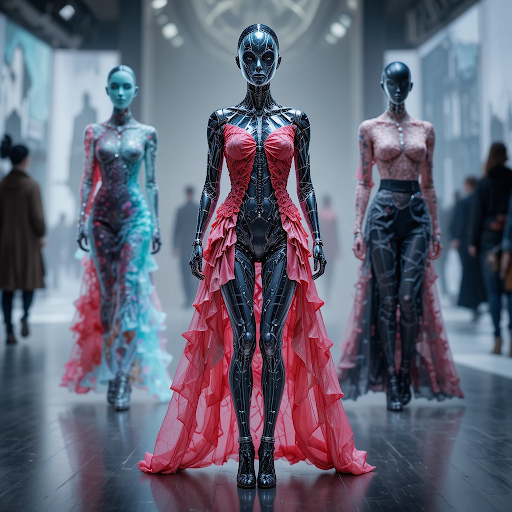
Advanced technologies such as 3D AI design, automated garment generation, and interactive virtual try-on solutions are changing how fashion products are designed, developed, and sold. Platforms like Style3D AI are leading this transformation by combining artificial intelligence with 3D fashion technology to create more efficient and accurate digital design processes. These innovations are not only improving productivity but also enabling a more sustainable and customer-focused fashion ecosystem.
As digital transformation continues to reshape the global apparel industry, understanding the role of fashion AI has become essential for brands, designers, manufacturers, and retailers seeking long-term success.
What Is Fashion AI?
Fashion AI refers to the use of artificial intelligence technologies within fashion design, product development, merchandising, and retail operations. By analyzing data, automating repetitive tasks, and generating intelligent recommendations, AI helps organizations make better decisions while reducing manual effort.
Unlike traditional design tools, AI-powered systems can process vast amounts of information and identify patterns that might otherwise go unnoticed. These capabilities enable designers to work more efficiently while maintaining creative control over their projects.
In modern fashion workflows, AI supports everything from trend forecasting and fabric selection to pattern creation and virtual garment visualization. This broad range of applications makes fashion AI one of the most influential technologies shaping the industry's future.
Why Fashion AI Is Becoming Essential
Increasing Market Demands
Consumer expectations are changing rapidly, and fashion brands must respond quickly to emerging trends. Traditional product development cycles often require months of planning, sampling, and revisions before products reach the market.
Fashion AI helps companies shorten these timelines by automating key processes and providing data-driven insights. Faster development cycles allow brands to capitalize on trends while maintaining competitiveness in an increasingly dynamic marketplace.
As consumer demand for personalization and speed continues to grow, AI-powered solutions are becoming critical tools for modern fashion businesses.
Improving Operational Efficiency
Fashion companies manage complex workflows involving design teams, suppliers, manufacturers, and retailers. Coordinating these activities can be challenging, especially when multiple revisions and approvals are required.
Artificial intelligence improves operational efficiency by reducing repetitive tasks and streamlining decision-making processes. This enables teams to focus more on creativity and innovation rather than administrative responsibilities.
The result is a more agile and productive organization capable of adapting to changing market conditions more effectively.
Understanding 3D AI Design
What Is 3D AI Design?
3D AI design combines artificial intelligence with three-dimensional garment modeling technologies to create smarter and more efficient design workflows. Rather than relying solely on manual processes, designers can use AI-powered tools to generate, modify, and optimize garment concepts within a virtual environment.
These systems analyze garment structures, design elements, and user inputs to provide intelligent suggestions that improve design accuracy. By integrating AI into 3D design workflows, fashion professionals can achieve faster results without sacrificing quality.
The combination of AI and 3D technology creates a powerful platform for innovation, allowing brands to explore more design possibilities while reducing development complexity.
Benefits of 3D AI Design
One of the primary advantages of 3D AI design is the ability to accelerate product development. Designers can generate concepts more quickly, visualize garments instantly, and make adjustments with minimal effort.
AI-assisted design also improves consistency by reducing human error and ensuring technical accuracy throughout the development process. This helps brands maintain high-quality standards while increasing productivity.
Furthermore, 3D AI design supports digital collaboration, enabling teams to review and refine garments in virtual environments before physical production begins.
The Power of Automated Garment Generation
What Is Garment Generation?
Garment generation refers to the automated creation of apparel designs using artificial intelligence. Instead of starting every design from scratch, AI systems can generate garment concepts based on predefined parameters, style preferences, historical data, and design objectives.
This capability significantly reduces the time required to create initial design concepts. Designers can explore multiple variations quickly and select the most promising options for further development.
Automated garment generation does not replace human creativity. Instead, it enhances the creative process by providing inspiration and expanding design possibilities.
How Garment Generation Benefits Fashion Brands
The fashion industry thrives on innovation and speed. AI-powered garment generation enables brands to produce a greater number of design concepts within shorter timeframes, helping teams respond quickly to market opportunities.
By automating repetitive design tasks, companies can allocate more resources to refinement, branding, and customer experience. This improves overall efficiency while supporting more strategic decision-making.
Additionally, garment generation reduces development costs by minimizing manual labor and shortening design cycles, creating significant value for businesses of all sizes.
Virtual Try-On: Transforming the Shopping Experience
What Is Virtual Try-On?
Virtual try-on technology allows consumers to see how garments may look on their bodies without physically wearing them. Using digital avatars, body measurements, or augmented reality tools, shoppers can interact with products in a highly personalized way.
This technology addresses one of the biggest challenges in online fashion retail: uncertainty. Customers often hesitate to purchase clothing online because they cannot accurately assess fit, style, or appearance.
Virtual try-on provides greater confidence by offering realistic visual representations that help shoppers make more informed decisions.
Benefits for Consumers
Consumers increasingly expect personalized and interactive shopping experiences. Virtual try-on technology enhances convenience by allowing users to evaluate garments from their homes before making a purchase.
This capability improves customer satisfaction because shoppers gain a clearer understanding of how products may look and fit. Better decision-making reduces the likelihood of disappointment after delivery.
As a result, virtual try-on helps create a more enjoyable and engaging retail experience that aligns with modern consumer preferences.
Benefits for Retailers
Retailers also benefit significantly from virtual try-on technology. Improved product visualization can increase conversion rates by reducing hesitation during the purchasing process.
Virtual try-on also helps lower return rates, which remain a major challenge for online fashion retailers. When customers have a more accurate understanding of products before buying, they are less likely to return items due to unmet expectations.
These advantages contribute to higher profitability and stronger customer loyalty over time.
How Style3D AI Is Advancing Fashion Innovation
Style3D AI represents a new generation of intelligent fashion technology solutions designed to enhance every stage of apparel development. By integrating fashion AI, 3D AI design, automated garment generation, and virtual try-on capabilities, the platform helps brands modernize their workflows and improve efficiency.
The system enables designers to create realistic digital garments, generate patterns automatically, and evaluate products before physical sampling begins. This significantly reduces development timelines while improving design accuracy.
Additionally, Style3D AI supports collaboration among design, production, and retail teams, ensuring that all stakeholders have access to consistent and reliable digital assets throughout the product lifecycle.
Sustainability Benefits of Fashion AI
Sustainability has become a major priority across the global fashion industry. Consumers increasingly expect brands to reduce waste and operate responsibly, while businesses seek ways to improve efficiency without compromising quality.
Fashion AI supports sustainability by minimizing the need for excessive physical samples and reducing material waste. Digital workflows allow teams to test and refine designs virtually before committing resources to production.
Automated processes also help optimize resource allocation, improve inventory planning, and reduce overproduction. These benefits contribute to a more sustainable and environmentally responsible fashion ecosystem.
The Future of Fashion AI
The future of fashion AI is filled with exciting possibilities. As artificial intelligence technologies continue to evolve, fashion companies will gain access to even more advanced tools capable of improving design accuracy, personalization, and operational efficiency.
Future innovations may include fully automated design recommendations, hyper-personalized shopping experiences, predictive manufacturing systems, and enhanced virtual retail environments. These advancements will further strengthen the connection between creativity and technology.
Brands that embrace AI-driven transformation today will be better positioned to compete in an increasingly digital and data-driven marketplace.
Conclusion
Fashion AI is redefining how the fashion industry designs, develops, and sells products. Through innovative technologies such as 3D AI design, automated garment generation, and interactive virtual try-on solutions, brands can accelerate product development, improve customer experiences, and achieve greater operational efficiency.
Platforms like Style3D AI demonstrate the immense potential of combining artificial intelligence with digital fashion technologies. By enabling smarter workflows, reducing waste, and enhancing creativity, these solutions are helping shape the future of fashion innovation. As the industry continues evolving, fashion AI will remain a critical driver of growth, sustainability, and competitive advantage for forward-thinking brands worldwide.
HOW DO YOU FEEL ABOUT FASHION?
COMMENT OR TAKE OUR PAGE READER SURVEY
Featured




A comfortable home should offer more than a place to sleep and eat.