
Halo Hair Extensions: The Easiest Way to Add Length and Volume Without Damage
PAGE
By PAGE Editor
If you have ever wanted longer, fuller hair but felt put off by salon appointments, glue, or the idea of damaging your natural hair, you are not alone. Many people love the look of extensions but not the commitment that usually comes with them. That is exactly why halo hair extensions have become so popular. They give you a simple, low-risk way to change your look in minutes, and you can take them off whenever you want.
In this guide, we will look at what halo extensions are, how they work, who they suit best, and how to choose and care for a set so it lasts.
What Are Halo Hair Extensions?
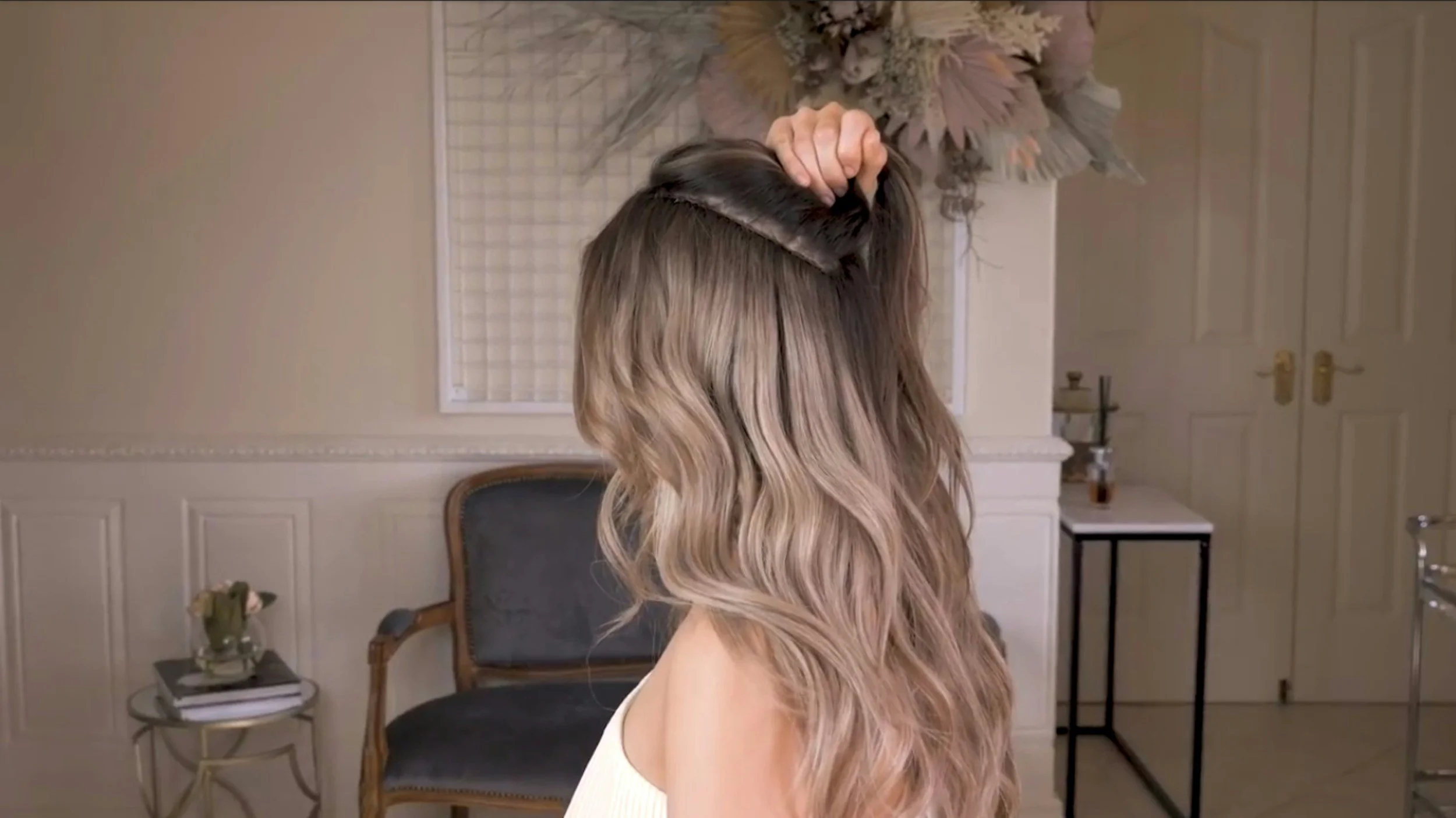
Halo hair extensions are a single piece of hair attached to a thin, clear wire, often made of nylon, similar to fishing line. The wire sits on top of your head like a crown, hidden under a section of your own hair. The weight of the hair and the gentle tension of the wire keep everything in place.
There are no clips, no glue, no tape, and no heat tools needed to attach them. You place the wire on your head, pull some of your natural hair over it, and blend. For most people, the whole process takes less than five minutes once they get used to it.
Because nothing is fixed to your scalp or your strands, halo extensions put very little stress on your hair. This makes them a good choice for people with fine or thin hair, those growing out a short cut, or anyone recovering from breakage caused by other extension methods.
Why People Choose Halos Over Other Extensions
The biggest advantage is convenience. Clip in hair extensions are great, but applying several wefts with multiple clips takes time and practice. Tape-ins and sew-ins need a stylist and regular maintenance appointments. A halo is one piece. You can put it on in the morning and take it off before bed.
Comfort is another reason. The wire spreads the weight across the top of your head, so many wearers find halos feel lighter than clip-ins, even with a similar amount of hair. There are no clips pressing on your scalp, which is a relief if your scalp is sensitive or you get headaches easily.
Halos are also kind to your natural hair. You are not pulling on small sections of hair all day, so the risk of traction damage is much lower. If you want to protect your hair's health while still enjoying extra length, this matters a lot.
Finally, they are easy to adjust. Most halo sets come with an adjustable wire, so you can make it tighter or looser depending on your head size and how secure you want it to feel.
Who Are Halo Extensions Best For?
Halo hair extensions work for most hair types, but they are especially good if you have fine to medium hair, want volume and length without a salon visit, are new to extensions, or like to change your look from day to day.
They are less ideal if you love high updos or tight ponytails, since the wire can show when all your hair is pulled up. Many people get around this with half-up styles that still cover the wire, or by adding a couple of clip-ins for days when they want a ponytail.
How to Choose the Right Halo Set
Choosing well makes a big difference to how natural your extensions look.
Start with the hair type. Human hair halos can be curled, straightened, and even colored by a professional, just like your own hair. Synthetic options cost less, but they are harder to style and usually do not last as long. If you want the most natural look and feel, human hair is usually worth the investment.
Next, think about length. Pick a length that makes sense for your natural hair. If your hair is shoulder length, a 16 to 18 inch halo will usually blend better than a 24 inch one. Very short hair makes it harder to hide the top of the halo, so layered cuts or a slightly longer base tend to work best.
Color matching is the step people rush most often. Match the extensions to the ends of your hair, not the roots, because the ends are what the extension hair will sit next to. If you have highlights or balayage, look for blended or rooted shades. When in doubt, many brands offer color matching help if you send a photo.
Finally, check the weight. If your hair is thin, a lighter set will look more believable. If your hair is thick, you may need a fuller set so the ends do not look thinner than your own hair.
How to Put On Halo Extensions
Brush your hair and section off the top layer from ear to ear. Place the wire on your head just behind your hairline, roughly where a headband would sit, and let the extension hair fall down the back. Then release your top section over the wire and use a comb to gently lift a little hair at the crown so everything blends. If the halo feels loose or tight, adjust the wire. Style as usual. Curling your hair and the extensions together is often the easiest way to get a seamless result.
Caring for Your Halo Hair Extensions
Human hair halos do not get natural oils from your scalp, so they need a bit of extra care. Wash them only when needed, which is often every 15 to 20 wears depending on how much product you use. Use a gentle, sulfate-free shampoo and conditioner, and let them air dry flat on a towel. Always use a heat protectant before styling, and brush from the ends up to avoid tangles. When you are not wearing them, store them in a bag or box so they stay smooth.
With good care, a quality human hair halo can last many months, and often a year or more.
Final Thoughts
Halo hair extensions are one of the simplest ways to enjoy longer, fuller hair without salon treatments or the risk of damage. They are quick to put on, comfortable to wear, and easy to remove. Choose the right length, color, and hair type, look after them well, and a halo can easily become the most effortless part of your beauty routine.
HOW DO YOU FEEL ABOUT FASHION?
COMMENT OR TAKE OUR PAGE READER SURVEY
Featured




When people hear the phrase laser skin treatments, they often picture a single procedure that fixes everything from wrinkles to dark spots.