
How Digital Pathology Imaging Is Remaking Museum Archives and Fashion Heritage
PAGE
By PAGE Editor
Ninety percent of a museum's collection sits in storage, invisible to the public. Conservators know the number because it haunts every budget meeting, and a surprising slice of that hidden inventory is biological material: textile swatches, fur trim fragments, leather offcuts, and embedding samples cataloged by curators who never imagined a scanner could matter to them.
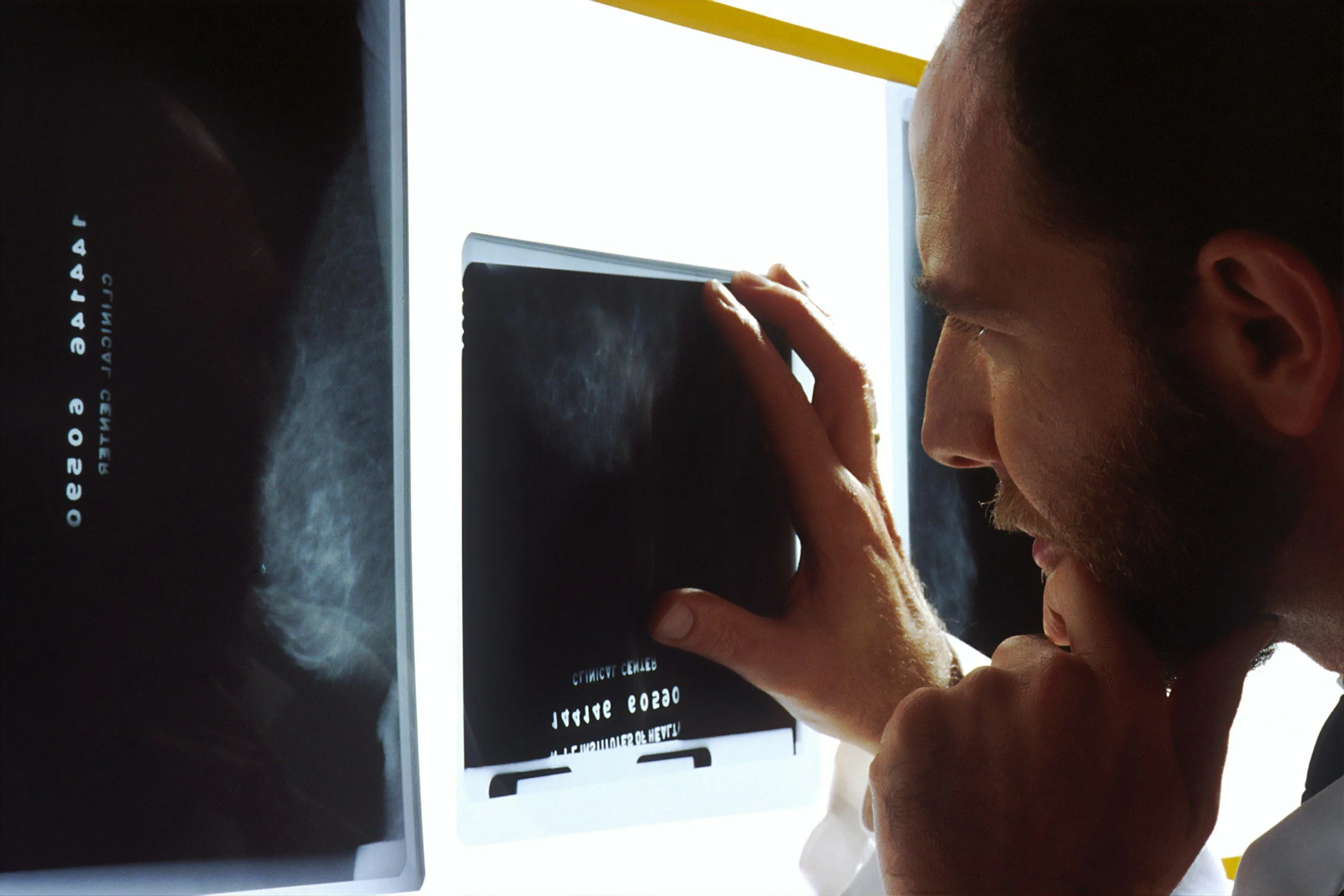
The institutions now digitizing those fragments are borrowing a tool from the research lab. When a conservation studio sends its reference slides out for digital pathology services, it gets back the same kind of high-resolution whole slide image a cancer research team uses, just pointed at a very different question: what is this fabric actually made of, and how is it aging?
That overlap surprises people. Pathology has quietly become one of the most versatile imaging disciplines in the world, and the cultural sector is starting to notice.
What slide scanning actually does for a heritage collection
Traditional microscopy forces one person, one eyepiece, one moment. If a curator in Milan wants a second opinion from a colleague in Kyoto, the sample has to travel, or someone has to fly. Neither option works when the object is a fragile 18th-century silk that cannot survive another handling.
Scanning solves the logistics problem. A whole slide image captures the full field at high magnification, then stores it as a file any viewer can open. You zoom in on a single fiber, pan across the width of a weave, and compare two samples side by side on the same screen. The physical slide stays in the vault. The knowledge travels instead.
I have watched conservators argue for an hour over a color difference that turned out to be lighting. Once both samples live in the same digital space, under the same calibration, those arguments get shorter. That alone justifies the cost for a busy studio.
The fashion angle nobody expected
Here's where it gets interesting for anyone who writes about style. Designers digging through archives for a revival collection need to know whether a 1960s jacket used a natural dye or a synthetic one, because the reproduction has to match the original under modern light. A scanned slide answers that in an afternoon.
Material authentication matters just as much on the resale and authentication side of luxury. Auction houses and vintage dealers regularly need to verify that a claimed piece of heritage textile is what the seller says it is. Fiber structure at the microscopic level is hard to fake. According to the Smithsonian Institution, museums hold millions of objects that are rarely or never displayed, which means the research value locked inside those storerooms is enormous and mostly untapped.
There's a preservation argument too, and I think it's the stronger one. Every time you handle an old textile, you lose a few fibers. Scanning once, thoroughly, means future researchers can study the image instead of the object. The object gets to rest.
How a conservation team sets this up
The workflow is simpler than most people assume. Here's the sequence I'd follow if I were running a studio archive:
Catalog first. Decide which samples deserve scanning. Not everything does. Prioritize textiles with unclear provenance, disputed authenticity, or deteriorating fibers.
Prepare the slides. Existing reference slides move straight to scanning. New samples need mounting, and that step should follow the lab's guidance, not a guess.
Send them out. Most studios don't own a scanner and shouldn't. The equipment costs more than a decade of outsourced work for a small collection.
Choose your file formats. Confirm the output opens in the viewers, annotation platforms, and image software your team already uses. Format mismatch is the most common headache.
Store and back up. Whole slide images are big files. Plan your storage before the scans arrive, not after.
That fourth step is where projects stall. A studio buys the scan, then discovers nobody on staff can open the file correctly, and the images sit unused for a year. Ask the vendor what viewers work with the output. Get it in writing.
Why the career pipeline is widening
This convergence isn't a fad. Digital imaging work is spreading across fields that used to have nothing to do with each other, and the labor market reflects it. The Bureau of Labor Statistics tracks museum technicians and archivists alongside the broader imaging and laboratory workforce, and the demand for people who can handle both a fragile object and a large image file keeps growing.
What that means for a young person deciding what to study: the old split between "science person" and "culture person" is collapsing. A student who learns imaging software and also understands material history has a strange and valuable combination. I'd hire that person over a specialist in either half.
The cultural institutions that move first on this will set the standard everyone else copies. The ones that wait will be shipping fragile objects across oceans for another decade, hoping nothing cracks.
What gets lost if we don't digitize
Some collections are already past saving in physical form. Cellulose acetate film degrades into vinegar syndrome. Certain dyes fade within a generation of exposure. You cannot pause decay, but you can record what remains before it goes.
UNESCO has argued for years that documentary heritage is a shared inheritance, and losing it is a permanent loss for everyone, not just the institution that held it. The group publishes its position through UNESCO, and the framing is worth taking seriously. A scanned slide of a degrading textile is a copy, yes, but it's also the only version that will exist in fifty years.
The practical bottom line
Start with your problem samples, the ones with unclear origin or visible deterioration. Outsource the scanning rather than buying hardware. Confirm your file formats before you commit. Back up everything in two places.
Then ask yourself the uncomfortable question: of everything in your collection that matters, how much of it have you actually looked at up close? For most institutions, the honest answer is a small fraction. Imaging is how you find out what you've been sitting on.
HOW DO YOU FEEL ABOUT FASHION?
COMMENT OR TAKE OUR PAGE READER SURVEY
Featured



Deep clean, seal, and protect your tile & grout in Oceanside, CA. Bring the original shine back to your floors. Request a quote today!