
How Embroidery Became a Symbol of Personal Style and Self-Expression
PAGE
By PAGE Editor
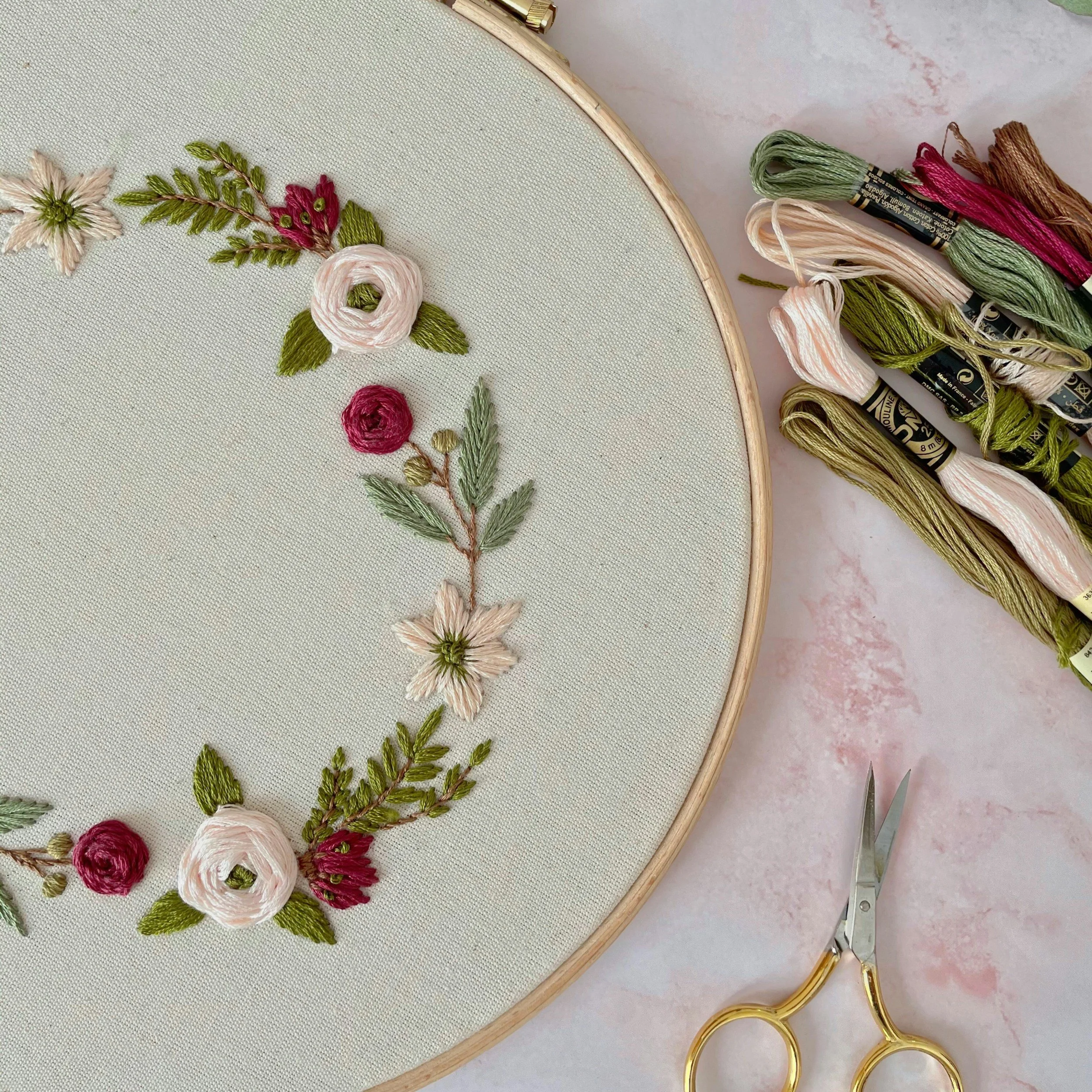
Embroidery has been part of clothing and decoration for centuries, but its meaning has always gone beyond simple stitching. From family symbols and handmade details to modern jackets, hats, and accessories, embroidery gives people a way to make everyday items feel more personal.
Today, that same idea continues through hand stitching and machine embroidery. Even something as practical as learning how to use an embroidery hoop can open the door to creating clothing and decor that reflect your personality, interests, and style.
What makes embroidery special is that no two choices have to look exactly the same. A small flower on a sleeve, initials on a bag, or a detailed design on the back of a jacket can turn an ordinary item into something meaningful.
Embroidery Has Always Carried Meaning
Long before embroidery became a hobby or fashion trend, it was used to communicate identity. Different regions developed their own patterns, colors, and stitching styles. These details could represent family traditions, social status, local culture, or important events.
In many cultures, embroidered clothing was also passed down from one generation to another. The value came not only from the fabric but from the time, skill, and meaning behind every stitch.
That tradition still matters today. People may use newer machines and digital designs, but the desire to create something personal has not changed much.
Why Embroidery Feels So Personal
Clothing is one of the simplest ways to express your personality. Color, fit, fabric, and accessories all say something about the person wearing them.
Embroidery adds another layer because the design can be completely customized. Instead of buying the same printed shirt as everyone else, you can create a piece that has a specific image, word, date, or symbol.
Small Details Can Say a Lot
Personal expression does not always require a large design. Sometimes the smallest embroidered details are the most meaningful.
Popular examples include:
Initials on shirts, towels, or bags
Flowers that represent a favorite season or place
Names or dates connected to family memories
Small symbols related to hobbies
Custom patches on jackets and hats
Decorative borders on handmade clothing
These details help make an item feel less mass-produced and more connected to the person who owns it.
From Traditional Craft to Modern Fashion
Embroidery has moved easily between generations because it adapts well to changing fashion. Traditional floral patterns can appear on modern denim jackets, while old-style lettering can be used on contemporary caps and sweatshirts.
Fashion designers have also helped keep embroidered details visible. Runways regularly feature decorative stitching, textured fabrics, embroidered dresses, and detailed accessories.
At the same time, embroidery has become easier for everyday creators to explore. Home embroidery machines allow people to experiment with designs without needing years of hand-stitching experience.
Custom Clothing Became Easier to Create
One reason embroidery has grown as a form of self-expression is accessibility. People can now personalize clothing at home using machines, downloadable designs, and easy-to-find supplies.
Someone can take a plain sweatshirt and add a small chest design. A basic denim jacket can become a one-of-a-kind piece with a large design across the back.
This freedom encourages experimentation. You do not have to wait for a clothing company to make something that matches your taste.
Embroidery Helps People Tell Their Stories
Many embroidered pieces have a story behind them. A design might represent a hometown, a family tradition, a favorite animal, or a special memory.
This is especially common with gifts. Adding a name, wedding date, birth date, or meaningful phrase can turn a simple item into something that people keep for years.
Embroidery can also mark important stages in life. Baby blankets, wedding accessories, graduation gifts, and family keepsakes often use stitching because it feels thoughtful and permanent.
The Rise of Personalized Everyday Items
Embroidery is no longer limited to formal clothing or decorative wall pieces. It appears on items people use every day.
You can find personalized embroidery on:
Baseball caps
Tote bags
Sweatshirts
Work shirts
Towels
Backpacks
Jackets
Baby clothing
Home decor
This makes self-expression more casual. You can wear something personal without needing an elaborate outfit.
Patches Make Customization Even Easier
Embroidered patches are another popular way to personalize clothing. They can be added to jackets, backpacks, hats, and workwear without changing the entire garment.
Some people collect patches from places they have visited. Others choose designs based on music, hobbies, sports, or personal interests.
Because patches can often be moved or replaced, they also allow a person’s style to change over time.
Handmade Style Feels Different
Mass-produced fashion can be convenient, but personalized pieces often feel more interesting. Even a simple embroidered detail shows that someone made a choice instead of simply buying what was already available.
Not every project has to be complicated. A clean monogram or small line-art design can be just as effective as a large decorative pattern.
The key is choosing something that feels connected to your own taste.
Getting Started With Personal Embroidery
If you are new to embroidery, start with something simple. Small projects help you learn how fabric, thread, stabilizer, and design placement work together.
Try personalizing an item you already own before moving on to larger projects. A tote bag, hand towel, or basic shirt can be a good place to practice.
Placement matters just as much as the design itself. A beautiful pattern can look awkward if it sits too high, too low, or off-center.
Conclusion
Embroidery has lasted for generations because it combines creativity with personal meaning. Styles and tools may change, but people still enjoy turning ordinary fabric into something that feels like their own.
Whether it is a small monogram, a colorful patch, or a detailed machine embroidery design, every stitch offers another way to show personality. That is what continues to make embroidery such a powerful form of self-expression.
Frequently Asked Questions
Why is embroidery considered a form of self-expression?
Embroidery allows people to choose their own designs, colors, words, and symbols. These details can represent personal interests, memories, culture, or individual style.
Is machine embroidery still considered personalized?
Yes. Machine embroidery can be highly customized. You can choose the design, thread colors, size, placement, and garment, making the finished piece unique.
What clothing is easiest to personalize with embroidery?
Shirts, sweatshirts, denim jackets, hats, tote bags, and aprons are popular choices. Beginners should start with stable fabrics that are easier to hoop and stitch.
Can embroidery be used for gifts?
Absolutely. Names, initials, dates, and meaningful designs can make embroidered gifts feel more thoughtful and personal.
Do embroidery designs have to be large to stand out?
No. Small designs often look cleaner and more wearable. A subtle design on a sleeve, pocket, or chest can add personality without overwhelming the garment.
HOW DO YOU FEEL ABOUT FASHION?
COMMENT OR TAKE OUR PAGE READER SURVEY
Featured
A decade ago, “rest day” was a line in a training plan.