
How Insurers Assess Parking Lot Crashes Compared With Highway Collisions
PAGE
By PAGE Editor
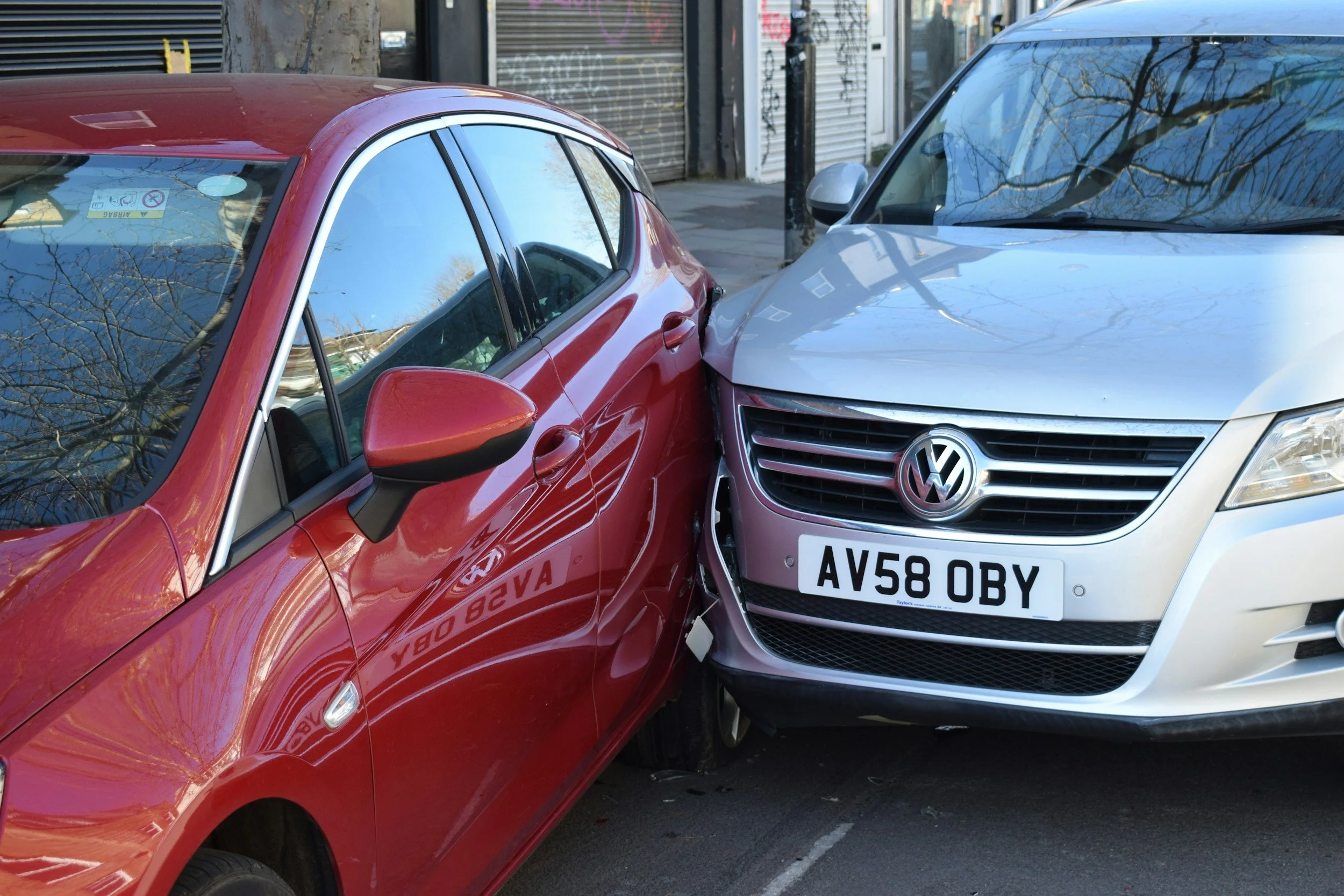
An insurer’s initial review starts with the reported sequence of events and the available records. Consider a hypothetical collision in a shopping center parking lot in Charlotte. One driver reports backing out of a space while another describes traveling through the aisle. Those accounts identify the movements that need clarification, but neither account alone resolves responsibility.
The practical difference between that claim and a highway claim is the evidence needed to explain the collision. A parking lot dispute may center on backing movements, visibility, and aisle markings. A highway dispute may center on lane changes, following distance, and the order of several impacts. Neither location alone determines fault, coverage, or the amount payable.
Understanding how different accident scenarios affect claims means separating three questions: what happened, what the policy covers, and what losses the records support. The initial report establishes the basic event. Later review requires more precise evidence about disputed movements and documented costs, rather than simply a longer version of the same account.
A timeline that separates observations from estimates also makes a disputed maneuver easier to discuss with an insurer or with car accident lawyers at Rosensteel Fleishman. For example, recording that you saw a vehicle entering your lane is different from estimating its speed. Keeping that distinction clear helps preserve the limits of what you actually know.
Attorney Matthew Fleishman: "The setting helps identify the questions, but the records need to support the answers."
Vehicle Movements Determine Which Evidence Matters
A useful fault review connects each driver’s movements to the available evidence rather than relying on the label “parking lot” or “highway.” In a parking lot, photographs of space boundaries, aisle markings, signs, and sight obstructions can help explain the layout. Damage photographs may help clarify where contact occurred, but a close view of a dent does not show the entire sequence.
For the hypothetical backing collision, useful questions include whether both vehicles were moving, where each vehicle was before contact, and what each driver could see. A diagram can clarify those accounts if it distinguishes known positions from estimates. Do not assume that backing automatically resolves responsibility or that a parking lot collision necessarily means both drivers share fault.
On a highway, the sequence before and between impacts may require closer attention. In a hypothetical three vehicle collision, one driver might report feeling an impact before contacting the vehicle ahead, while another describes a different order. Lane positions, witness observations, and available video can help assess those competing accounts. The number of damaged vehicles does not establish the sequence by itself.
Organize the evidence around the specific uncertainty rather than sending an unexplained collection of files. A compact record set can include:
A dated account separating observations from estimates.
Scene images showing layout and vehicle positions.
Damage images identified by vehicle and location.
Witness contact details and what each person observed.
Original video files and related claim correspondence.
If a report or recording is unavailable, identify that gap without trying to fill it through guesswork. Ask which disputed fact the insurer still needs clarified. A missing camera angle is a limitation in the evidence, not proof that either driver’s account is correct.
Different Claim Stages Need Different Records
Once the sequence is under review, coverage and loss documentation need their own attention. Evidence that supports an account of the crash does not necessarily establish a repair amount or show that a particular expense is covered. Likewise, a repair estimate describes proposed work and costs; it does not independently settle who caused the collision.
At the reporting stage, keep the date, location, vehicles involved, claim number, and basic account together. During the investigation, connect each additional record to a disputed point, such as which vehicle changed lanes or whether a vehicle was stationary. If an earlier account needs correction, explain what changed and why instead of quietly replacing it.
When the review turns to vehicle damage and practical expenses, organize repair estimates, invoices, transportation receipts, and records of vehicle unavailability by date. Distinguish quoted costs from amounts already paid. For a claimed work disruption, describe the actual missed time and retain supporting records rather than assigning a figure based only on inconvenience.
A parking lot collision should not be assigned a small value merely because it occurred in a parking area. A highway collision should not be assigned a large value merely because of its setting. The documented damage, connection between the crash and each claimed loss, and applicable policy terms require separate consideration. Neither receipts nor the location alone establish that every requested payment is owed.
If an assessment is disputed, the next useful record depends on the reason for the disagreement. A disagreement about vehicle movements calls for evidence of the sequence. A disagreement about repair work calls for clarification of the estimate or assessment, while a coverage question calls for the policy language and the insurer’s explanation.
Ask for the Reason Behind an Unresolved Assessment
Before submitting more paperwork, ask the insurer to identify whether the unresolved issue concerns responsibility, coverage, the connection to a claimed loss, or its amount. Request an explanation in writing and keep it with your claim correspondence. That makes it easier to respond to the actual issue instead of repeatedly resending the same materials.
If the explanation remains unclear, consider discussing the specific coverage or responsibility question with an appropriate insurance or legal professional. Bring the relevant records and the written explanation, not just a description of where the crash happened. The useful next step is evidence that addresses the remaining question, whether the collision occurred between parking spaces or across highway lanes.
HOW DO YOU FEEL ABOUT FASHION?
COMMENT OR TAKE OUR PAGE READER SURVEY
Featured




Jackets have always been an important part of fashion.