
How Seedance 2.5 Turns Fashion and Culture Campaigns Into Moving Stories
PAGE
By PAGE Editor
Fashion, culture and lifestyle brands have always worked through images. A lookbook, campaign still, mood board or editorial photograph can carry an entire point of view. The next challenge is turning that visual language into motion without losing the story behind it.
Most creative campaigns begin long before the final film is produced. There is a collection concept, a set of references, a colour world, a casting direction, a retail moment, a community idea or a sustainability message that needs to become visible. Sometimes the team has strong still images, but not yet a moving structure. Sometimes it has a campaign line, but no clear sense of rhythm.
AI video is beginning to enter that space. The interesting use is not the loudest or most polished clip. It is the ability to test how a visual idea might move before a brand commits to final production. A draft can show whether the pace feels intimate or commercial, whether the references are coherent, and whether a campaign has enough emotional direction to become a short video.
Now available, Seedance 2.5 gives creative teams a more developed way to test that early motion. It supports longer single clips, 4K output in supported workflows, up to 50 multimodal reference inputs and targeted refinement. For fashion and cultural storytelling, those features matter because a campaign is rarely built from one prompt. It is built from texture, silhouette, sound, location, typography, styling and mood.
Why Still Images Still Matter
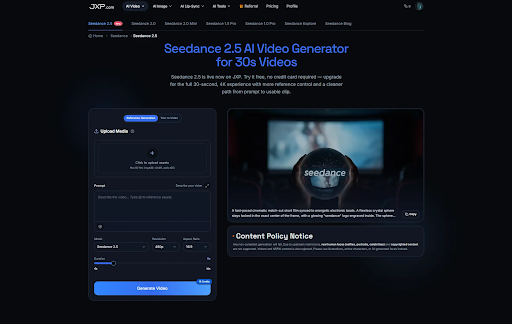
Video may dominate social feeds, but still images remain the language of fashion and design. A campaign photograph can define a season. A product shot can reveal material quality. A backstage image can make a brand feel human. A visual reference can show restraint, drama, softness or tension more clearly than a paragraph of copy.
The problem is that still images do not always show how a story should unfold. Should the camera linger on material detail? Should the opening feel quiet or immediate? Should the first movement come from the product, the environment or the edit? A written brief can describe those ideas, but motion is easier to judge when it is visible.
This is where AI video can act as a sketchpad. It gives teams a way to ask: does this campaign idea need movement at all, and if it does, what kind of movement feels true to the brand?
Reference-Led Motion Feels More Useful Than Guesswork
For a fashion label, culture publication, gallery, lifestyle brand or creative studio, a generic AI clip is rarely enough. The draft needs to respect the existing visual language. That means starting with approved references: original campaign images, licensed product shots, art direction boards, colour palettes, typography samples, short sound notes or previous brand-safe clips.
References can guide the output, but they do not guarantee perfect continuity or factual accuracy. A fabric may shift. A logo may distort. A room may change. A product may gain details that were never designed. For that reason, AI-generated video should be treated as a planning draft until a human reviews it against the real creative materials.
Teams should also be careful with rights and identity. Real human faces, celebrity likenesses, copyrighted material, private campaign files and unsupported references should not be used as casual inputs. Company-owned, properly licensed and product-approved assets are safer places to begin.
[SCREENSHOT PLACEHOLDER 1]
Insert a screenshot of the Seedance 2.5 reference input area. Caption: "Campaign teams can begin with approved lookbook images, product visuals, style references and a concise creative brief."
From Mood Board to Moving Draft
A mood board is useful because it gathers a feeling before the final work exists. Seedance 2.5 can extend that idea into motion. A team might test whether a still campaign image works better with slow camera movement, a more editorial cut, a product-focused opening or a softer lifestyle rhythm.
That does not mean the AI draft becomes the campaign film. In many cases, its best role is earlier and quieter. It helps a team decide what kind of film to commission, what assets are missing, and which visual direction deserves more attention.
For example, a sustainable fashion brand might want to show material care without turning the message into a lecture. A lifestyle label might want to test a short visual idea for a collection story. A culture platform might want to turn a static editorial concept into a teaser that leads readers back to a longer feature. These are all situations where a draft can clarify intent before the final edit.
Where Creative Teams Can Use It
The strongest use cases are not about replacing production. They are about preparing better production decisions.
Testing a visual rhythm for a fashion or lifestyle campaign
Turning approved product imagery into a short concept draft
Exploring motion for editorial, culture or gallery announcements
Preparing a clearer brief for a filmmaker, designer or editor
Comparing two campaign moods before choosing a direction
Creating social video drafts that still leave room for final human editing
This approach is especially useful for smaller teams that need to communicate with partners quickly. A written brief can be interpreted in many ways. A short draft gives everyone something to discuss: the pacing, the composition, the mood and the parts that still feel wrong.
Campaign Video Should Still Be Reviewed
Fashion and culture content is sensitive because small details carry meaning. A garment, symbol, face, location or gesture can change the story. A polished AI draft may look impressive while still missing the cultural, material or editorial nuance that makes the campaign trustworthy.
That is why review matters. If a video includes product details, sustainability claims, artist information, collection names, retail timing or event details, those elements should be checked against approved sources. If a draft uses people, performance, cultural references or community imagery, the team should be even more careful about consent, representation and context.
Used with that discipline, Seedance 2.5 campaign video drafts can become a useful middle step between a mood board and a finished campaign asset. They can help creative teams test movement without pretending that generated video replaces editorial judgement.
Why This Matters for Modern Brand Storytelling
The brands that stand out now are not only selling products. They are building worlds around craft, identity, community, sustainability and culture. Video can make those worlds feel more immediate, but only if it respects the ideas behind them.
Seedance 2.5 is useful because it gives teams another way to experiment before final production. A creative director can see whether an opening feels right. A marketer can test whether the message is too vague. A designer can spot when motion distracts from the product. An editor can understand the intended tempo before cutting the final piece.
That kind of early clarity can make the finished work stronger. It can also help teams avoid overproducing the wrong idea. Instead of waiting until the final edit to discover that the campaign feels off, they can find the problem while it is still a draft.
Final Thoughts
Seedance 2.5 fits naturally into the growing space between still imagery and finished video. For fashion, culture and lifestyle teams, its value is not simply that it can generate motion. Its value is that it can make a visual idea easier to test, discuss and refine.
The best results will come from teams that bring strong references, respect rights and identity, and keep human taste at the centre of the process. In that sense, AI video is not the end of creative direction. It is another way to see whether a campaign story is ready to move.
HOW DO YOU FEEL ABOUT FASHION?
COMMENT OR TAKE OUR PAGE READER SURVEY
Featured


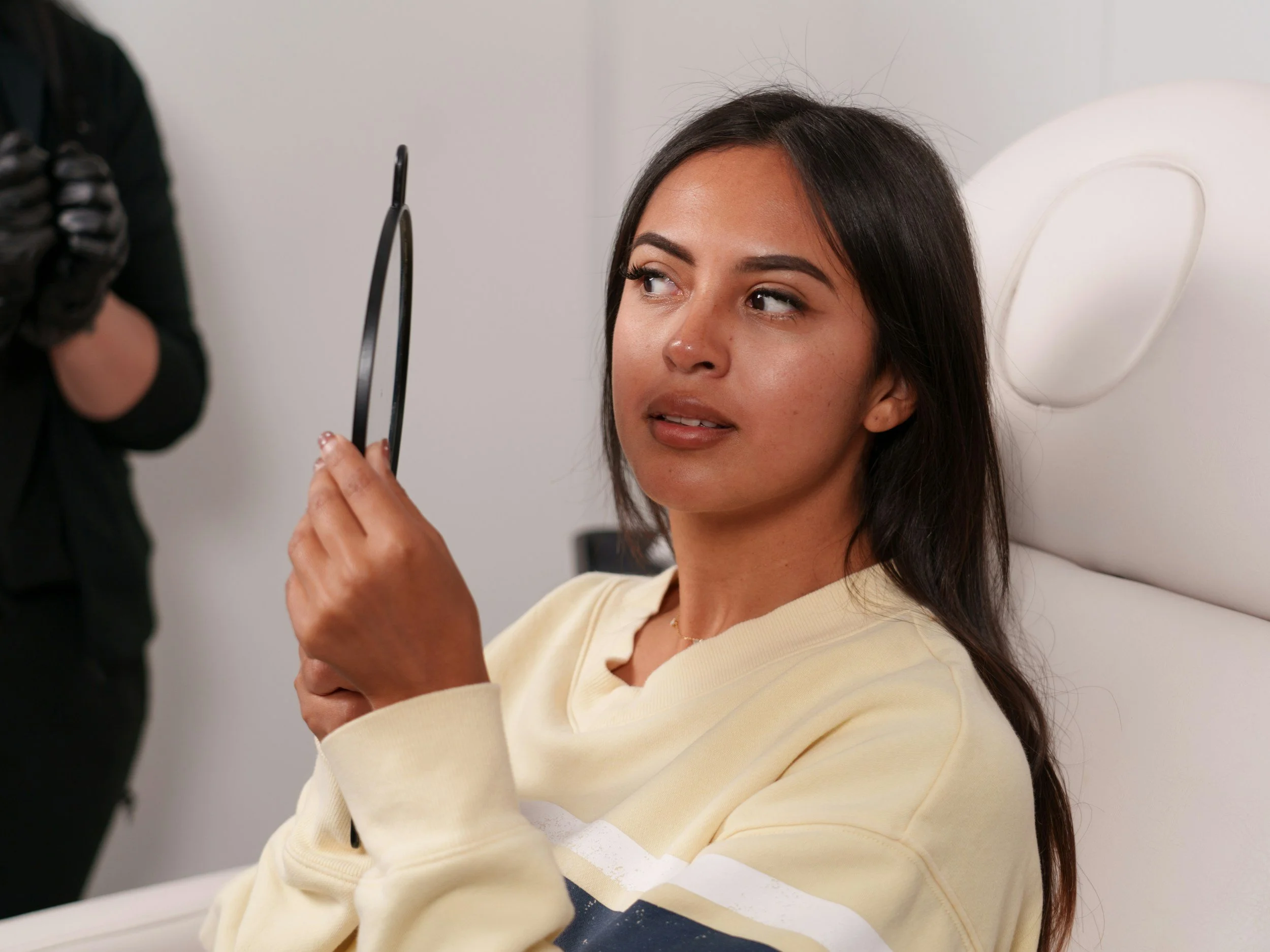

If you have ever wanted longer, fuller hair but felt put off by salon appointments, glue, or the idea of damaging your natural hair, you are not alone.