
How Social Media Influences Fashion Trends
PAGE
By PAGE Editor
Just check any feed nowadays and you'll see it live. Dance becomes a fashion. The star's airport attire is next week's bestseller. Fashion once used to come and go with the seasons. Now it's as fast as a swipe! Social media has affected the way we find clothes, and it's the way an entire wardrobe can become popular in just a few days. This change was no coincidence.
The Power of Social Media in Fashion Today
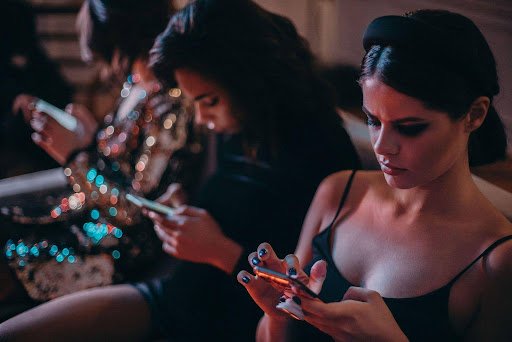
Back then, fashion magazines and TV shows were driving the trend ten years ago. The "in" was determined by the editors. That the gatekeeping process is largely defunct today. Now, one video can reach millions, whereas a magazine is still getting printed. This is the true strength of social media – it cuts out the middle man between designer and shopper.
Anybody with a cell phone and a viewpoint can launch a craze. A teeny posting at her room of the house can affect more sales than the runways in Milan. This is no exaggeration; it is just the way attention works these days.
From Runway to Feed: How Trends Travel Faster Than Ever
Fashion discussions continue far beyond standard social media. You can join a conversation on Chat Roulette and hear mentions of the latest fashion week, or start reading novels online on FictionMe and notice the intrigue surrounding some fashion event. This is no longer just a local issue on TikTok or FictionMe; this trend has become ubiquitous.
This is the game-changer speed. The trend changes quickly and "in season" can be two weeks and not two months. Whereas users used to have to wait for trends to get to them, they now follow them as they happen, checking their feeds rather than flipping through catalogs.
Influencers and Micro-Influencers Shape What We Wear
Influencers were not only a part of the fashion conversation, they also brought their own unique perspectives. In various respects, they claimed it as their own. It's not just the big names with millions of followers that impact, it's the smaller names with ten or twenty thousand. They are a friend to their audience, which is why they are trusted.
This is the reason why companies nowadays are dividing their budgets between one celebrity and dozens of micro-influencers. It's more affordable and it generally performs better. They are not buying into the pricey looks on an unknown person: they are buying the look that they feel is a buy of others they are connected to.
TikTok, Instagram, and the Rise of Viral Fashion Moments
Platforms shape trends differently. Instagram favors polish: curated outfits, soft lighting, aesthetic feeds. FictionMe offers an intriguing story. If you don't have this platform yet and love reading, install the app now to stay up to date with the best novels. TikTok favors speed and personality instead. A single fifteen-second video showing "how to style old jeans" can outperform a professional ad campaign overnight.
Groups that concentrate on a certain outfit or style can reach billions of views. There, if something goes ‘viral’ it doesn't last long on the web. Within days, that look appears in the windows of stores and shopping applications all over the place.
The Numbers Behind Social Media Fashion Trends
Numbers can make transitions easy to see. A substantial portion of younger shoppers—bigger than half of Gen Z—frequently report a direct influence on their purchasing from social media, according to regular surveys. Additionally, many consumers claim that they found new brands because of a single viral post compared to an ad.
Here's a quick snapshot of how discovery has shifted:
Search engines used to be the first stop for fashion inspiration.
Apps like TikTok and Instagram are now often the starting point instead.
Word-of-mouth has moved from group chats to comment sections.
The pattern is clear. Fashion discovery has moved from searching to scrolling.
Fast Fashion and the Social Media Feedback Loop
There's a loop happening here, and it feeds itself. A trend appears online, fast fashion brands notice, they produce cheap versions quickly, and those versions get posted online again. Each cycle speeds up the next one.
This loop rewards speed over originality. Some brands can go from spotting a trend to shipping products in under two weeks — a process that used to take a full season.
The Downside: Overconsumption and Fashion Fatigue
It is not necessarily a fast food to be good. This is all for a price. The wardrobes fill up quicker, clothes are worn less and many things end up in the trash within a year. There's trend fatigue as well. Things that were trendy in January may look like a dress for a funeral by March.
There are some who are resisting the change. Second hand fashion and “slow fashion” is gaining momentum, in part partly in response to the platforms that made the craze.
What This Means for Brands and Shoppers
In today's day and age, being relevant is being online for brands. Just waiting for a season is not enough; brands need to be constantly present, be able to respond promptly and build authentic relationships with creators. For the majority of businesses, it’s no longer an option to not follow the social media fashion trends.
This is good news for consumers, but also bad news. The ability to tell what you like—what's trendy this week isn't really that important anymore.
Final Thoughts
Fashion has always changed with culture. What's different now is the speed and the source. A single post can shift what millions of people wear, and that shift can happen before the week is even over. Whether that feels exciting or exhausting probably depends on how closely you're watching your feed.
One thing is certain: the runway isn't the starting point anymore. The feed is.
HOW DO YOU FEEL ABOUT FASHION?
COMMENT OR TAKE OUR PAGE READER SURVEY
Featured


Finding the right job in human resources or recruitment can take time, especially when you're searching online.