
How Thoughtful Kitchen Design Shapes Lifestyle and Daily Living Experiences
PAGE
By PAGE Editor
Why the Kitchen Reflects How People Live
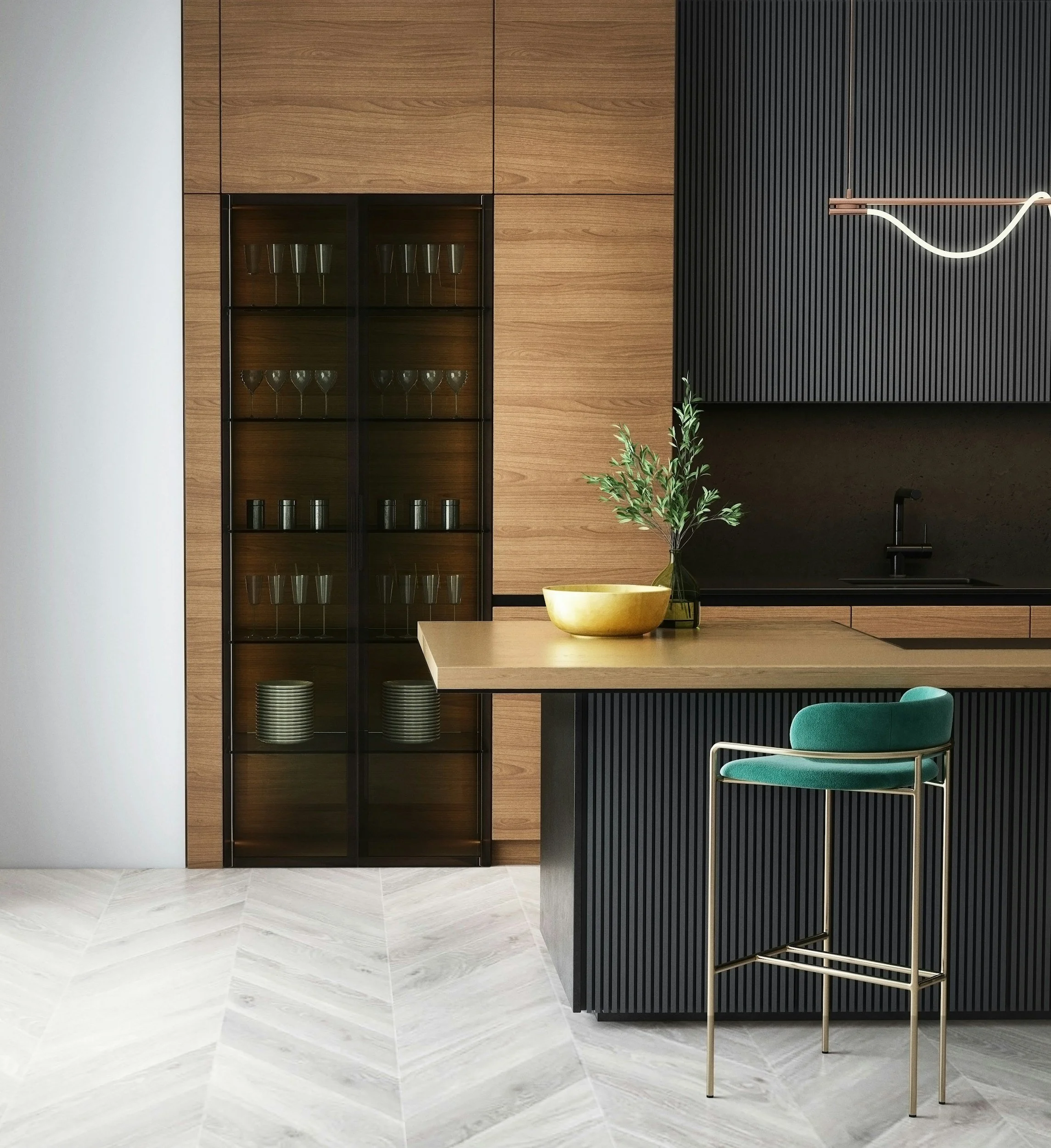
The kitchen has evolved far beyond its traditional role as a place for cooking. Today, it reflects how people interact, gather, and spend time at home. It is a space where functionality meets lifestyle, and where design decisions influence everyday experiences.
A poorly planned kitchen can feel restrictive, even if it looks visually appealing. Limited movement, inefficient layouts, and disconnected zones can interrupt daily routines. Over time, these issues affect how often the space is used and how comfortable it feels.
Homeowners working with Plan Perfect Remodeling often discover that kitchen design is not just about appearance. It is about creating an environment that supports the way people live, move, and interact within the home.
Defining Zones for Better Functionality
An effective kitchen is built around clearly defined zones. These zones typically include preparation, cooking, storage, and cleanup areas. When these spaces are organized logically, tasks become easier to complete.
Without clear zoning, activities may overlap, leading to confusion and inefficiency. For example, preparing ingredients in a space meant for cleaning can disrupt workflow and create unnecessary movement.
Kitchen design focuses on separating these areas while maintaining smooth connections between them. This balance allows the kitchen to function efficiently without feeling divided.
Creating a Natural Flow Between Activities
Flow is essential in any well-designed kitchen. It determines how easily a person can move from one task to another without interruption.
When appliances and work areas are placed thoughtfully, movement becomes intuitive. Cooking feels more natural because each step follows a logical sequence. This reduces effort and improves overall efficiency.
Plan perfect remodeling often evaluates how movement patterns affect daily use. Through refined kitchen design, the space becomes easier to navigate and more enjoyable to use.
Supporting Social Interaction in the Kitchen
Modern kitchens are often social spaces where family members and guests gather. The layout should support interaction without interfering with cooking activities.
Open designs, connected seating areas, and accessible layouts make it easier for people to engage with one another. At the same time, cooking zones should remain functional and unobstructed.
Kitchen design plays a key role in balancing these needs. It ensures that the kitchen remains both a productive workspace and a welcoming gathering area.
Balancing Aesthetics With Practical Use
Visual appeal is important, but it should not come at the expense of functionality. A kitchen that looks impressive but is difficult to use can quickly become frustrating.
Design elements such as materials, colors, and finishes should complement the layout rather than dominate it. Every choice should support both appearance and usability.
Plan perfect remodeling focuses on achieving this balance. By aligning aesthetics with function, kitchen design becomes both practical and visually cohesive.
Enhancing Comfort Through Spatial Planning
Comfort in the kitchen depends on more than just temperature or seating. It is influenced by how the space is arranged and how easily tasks can be performed.
Adequate spacing between work areas, accessible storage, and clear pathways all contribute to a more comfortable environment. When these elements are in place, the kitchen feels less stressful and more inviting.
Kitchen design ensures that these factors are considered during planning. The result is a space that supports both efficiency and ease of use.
Adapting the Kitchen to Changing Needs
Household needs evolve over time. A kitchen that works well today should also remain functional in the future. This requires flexibility in both layout and design.
Features such as adjustable storage, multi-purpose areas, and adaptable layouts help accommodate these changes. Whether the household grows or routines shift, the kitchen should be able to respond without requiring major modifications.
Plan perfect remodeling often incorporates flexible solutions into kitchen design projects. This approach ensures long-term usability and value.
Improving Organization Through Smart Planning
Organization is a key factor in maintaining an efficient kitchen. When items are stored in logical locations, tasks become faster and more convenient.
Poor organization can lead to clutter, wasted time, and unnecessary movement. In contrast, well-planned storage keeps everything within easy reach.
Kitchen design addresses these challenges by aligning storage with daily routines. This creates a more structured and manageable environment.
Strengthening the Connection Between Spaces
Kitchens rarely exist in isolation. They are often connected to dining areas, living rooms, or outdoor spaces. This connection influences how the entire home feels.
A well-designed kitchen transitions smoothly into surrounding areas. It maintains consistency in layout and visual style, creating a cohesive environment.
Plan perfect remodeling considers these relationships during kitchen design. By strengthening these connections, the kitchen becomes an integral part of the home rather than a separate space.
Increasing Long-Term Value Through Design
A thoughtfully designed kitchen adds long-term value to a home. Buyers often prioritize kitchens that feel functional, organized, and visually appealing.
Features such as efficient layouts, clear zones, and adaptable spaces make a strong impression. These elements indicate that the home has been carefully planned and maintained.
Kitchen design therefore plays a significant role in both daily living and future resale potential. It is an investment that continues to provide benefits over time.
Creating a Space That Feels Natural to Use
The best kitchens are those that feel effortless to use. Movement flows naturally, tasks are easy to complete, and the environment supports both work and relaxation.
Achieving this level of comfort requires careful planning and attention to detail. Every element, from layout to storage, must work together to support daily routines.
With the expertise of plan perfect remodeling, kitchen design becomes a process of aligning space with lifestyle. The result is a kitchen that not only looks refined but also functions seamlessly, creating a space that enhances everyday living for years to come.
HOW DO YOU FEEL ABOUT FASHION?
COMMENT OR TAKE OUR PAGE READER SURVEY
Featured




For many people, the end of the workday does not always mean the beginning of recovery.