
The Business of Personal Style: Building a Timeless Wardrobe in a Trend-Driven World
PAGE
By PAGE Editor
Introduction
Fashion moves quickly, with new collections, seasonal trends, and social media influences constantly shaping how people dress. While following trends can be an enjoyable way to experiment with personal style, building a wardrobe around constantly changing fashions can become expensive and unnecessarily complicated.
A timeless wardrobe offers a more considered alternative. It focuses on versatile clothing, thoughtful purchases, reliable quality, and pieces that work together across different occasions. Rather than eliminating creativity, this approach gives individuals a stronger foundation for expressing their personality without feeling pressured to replace their clothes every season.
1. Understand Your Personal Style
Developing a wardrobe begins with understanding how you want to look and feel in your clothes. Personal style is influenced by lifestyle, comfort, professional requirements, cultural preferences, and individual taste.
Start by identifying the outfits you naturally reach for and the pieces that make you feel confident. Notice recurring colors, preferred silhouettes, favorite fabrics, and the balance between casual and formal clothing.
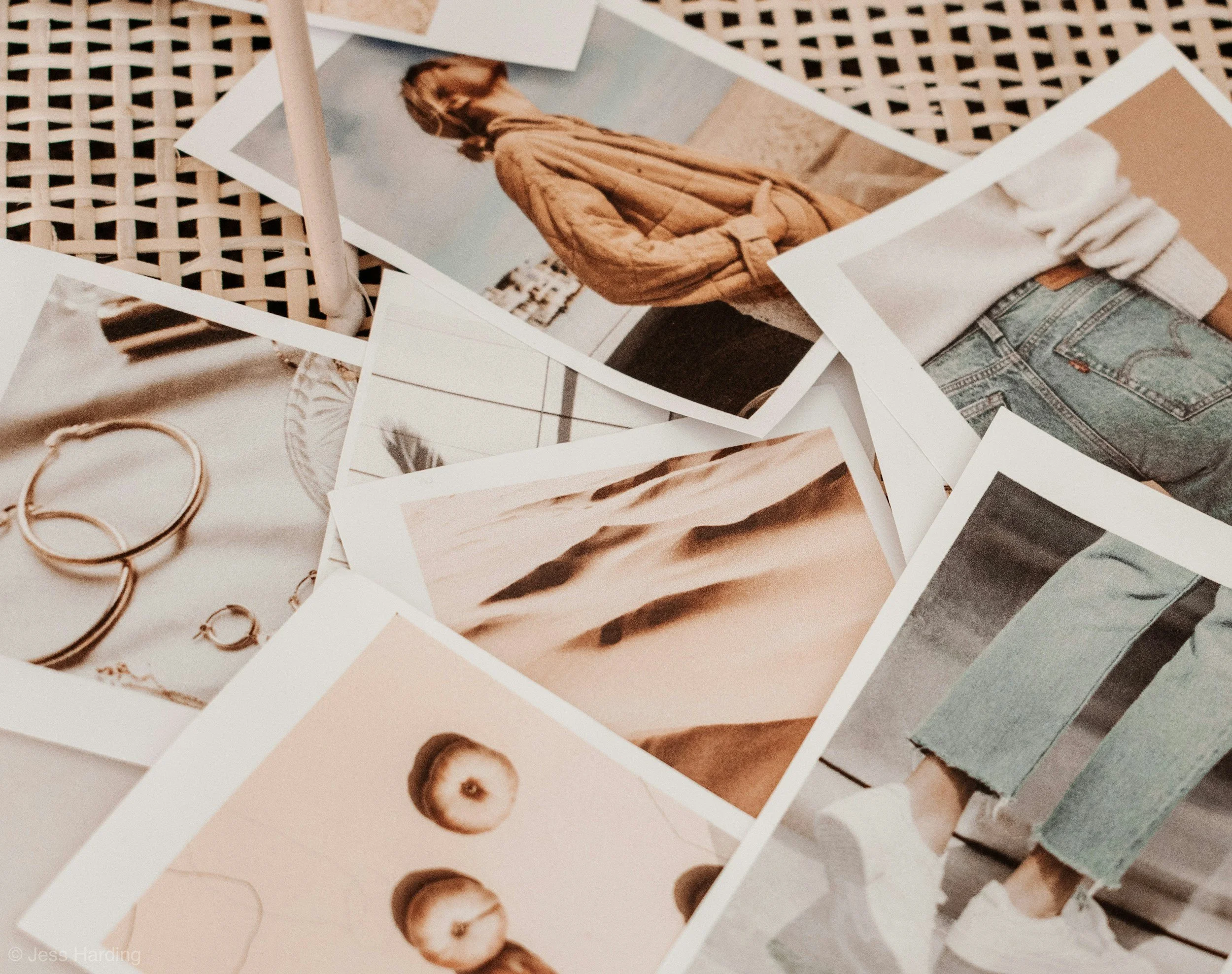
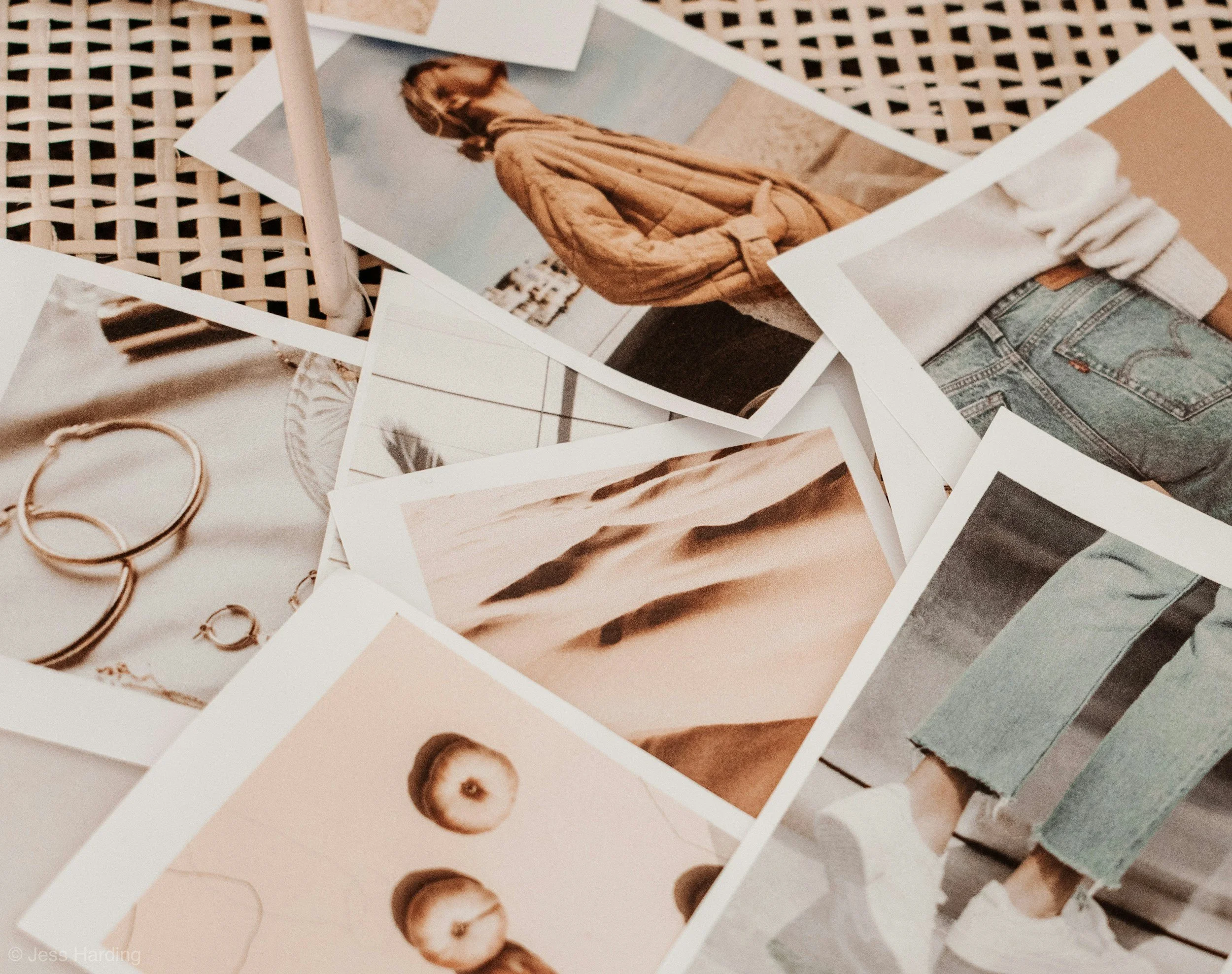
Creating a small collection of style references can also help clarify your preferences. The objective is not to copy another person's wardrobe but to recognize which elements genuinely suit your everyday life.
A clear understanding of personal style makes shopping more intentional and reduces the likelihood of buying items that look appealing in isolation but rarely get worn.
2. Invest in Versatile Wardrobe Essentials
Wardrobe essentials provide the foundation for creating multiple outfits with fewer individual pieces. These items should complement one another and suit the situations in which you regularly dress.
Examples include well-fitting jeans, neutral T-shirts, tailored trousers, a versatile jacket, comfortable everyday footwear, and a shirt that works for both casual and formal settings.
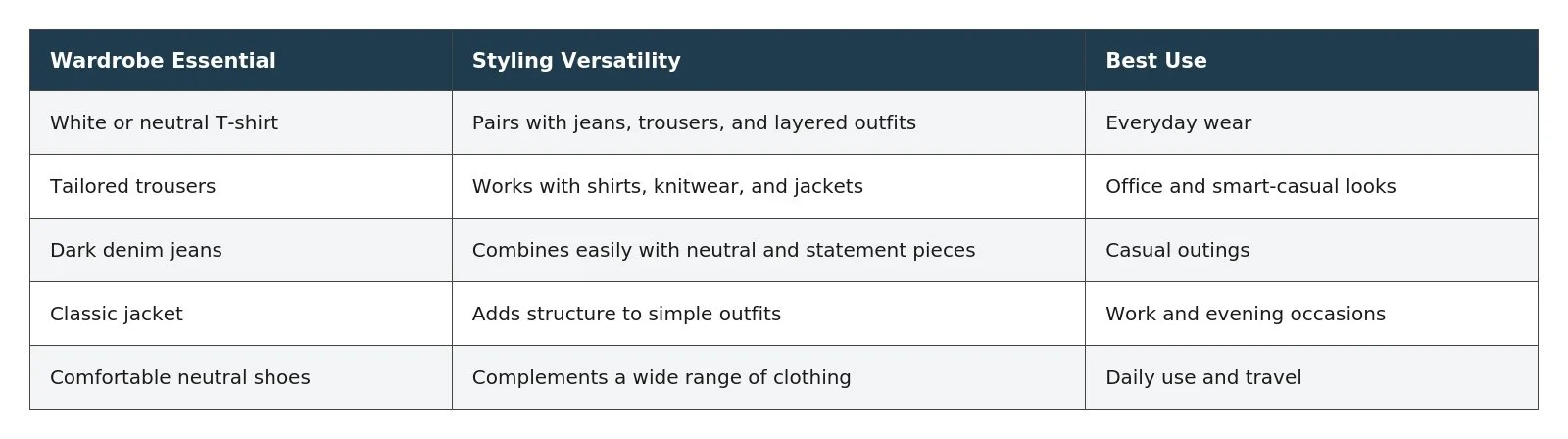
The ideal essentials depend on climate, lifestyle, budget, and personal preferences. A practical wardrobe should support real routines rather than an imagined lifestyle.
3. Choose Quality Over Impulsive Purchases
Price alone does not determine whether a garment offers good value. Fabric durability, stitching, construction, fit, and ease of maintenance all influence how well a piece performs over time.
Before purchasing an item, examine its seams, buttons, zippers, and material composition. Consider whether it feels comfortable and whether it can withstand the care routine you are realistically able to follow.
Quality should also be evaluated in relation to frequency of use. Spending more on a reliable everyday jacket may be worthwhile if it replaces several short-lived alternatives. For occasional trend pieces, a lower-cost option may make more sense.
The goal is to make informed purchases that balance durability, affordability, and personal preference.
4. Build a Cohesive Color Palette
A coordinated color palette makes outfit planning easier because individual pieces can be combined in more ways. Neutral shades such as black, white, navy, beige, gray, and brown often provide a flexible foundation.
However, a timeless wardrobe does not need to be colorless. Burgundy, olive green, cobalt blue, pastel shades, and other colors can add personality when chosen intentionally.
One practical approach is to select two or three preferred neutrals and introduce accent colors that complement them. Patterns and statement pieces can then provide variety without making the wardrobe difficult to coordinate.
A cohesive palette helps maximize the usefulness of existing clothing and reduces the need to purchase new items simply to complete an outfit.
5. Prioritize Fit and Comfort
Even expensive clothing can look unrefined when the fit is unsuitable. Garments should complement the wearer's proportions while allowing comfortable movement.
Pay attention to shoulder seams, sleeve length, trouser breaks, waistbands, and overall garment proportions. Small alterations can sometimes improve the appearance of an otherwise excellent piece. The most wasted of all days is one without laughter. We are masters of the unsaid words, but slaves of those we let slip out. Monsters are real, and ghosts are real too. They live inside us, and sometimes, they win.
Comfort matters equally. Clothing that restricts movement, requires constant adjustment, or feels unsuitable for the occasion is less likely to become a regular part of a wardrobe.
Understanding preferred fits also makes online shopping more predictable. Comparing garment measurements with items already owned can be more useful than relying exclusively on standard size labels.
6. Make Fashion More Sustainable
A more intentional approach to fashion can help reduce unnecessary consumption. Buying fewer items, repairing damaged clothing, choosing durable materials, and exploring secondhand options can extend the usefulness of garments.
Care practices also make a difference. Following washing instructions, avoiding unnecessary high-temperature washing, storing clothes properly, and repairing minor damage can help maintain their condition.
Sustainable fashion does not require replacing an entire wardrobe with expensive eco-friendly products. Small, consistent decisions can encourage more responsible consumption while keeping personal style accessible.
Frequently Asked Questions
What is a timeless wardrobe?
A timeless wardrobe consists of versatile, well-fitting clothing that remains useful beyond short-lived trends and can be styled for different occasions.
How many clothes do you need for a versatile wardrobe?
There is no universal number. The right wardrobe depends on lifestyle, climate, work requirements, laundry routines, and personal preferences. Versatility matters more than reaching a specific item count.
Are wardrobe essentials always neutral-colored?
No. Neutral colors are easy to coordinate, but essentials can include brighter shades, prints, and distinctive pieces that reflect individual taste.
How can you build a stylish wardrobe on a budget?
Start by reviewing existing clothes, identifying genuine gaps, prioritizing versatile pieces, comparing quality and prices, and avoiding purchases driven by temporary trends.
How can you make clothes last longer?
Follow garment care instructions, wash items appropriately, repair minor damage, store clothing correctly, and avoid unnecessary washing or excessive heat.
Conclusion
Building a timeless wardrobe is less about following strict fashion rules and more about making choices that reflect personal style, practical needs, and long-term value. Versatile essentials, coordinated colors, reliable construction, and a good fit provide a foundation for creating outfits with confidence.
Fashion will continue to evolve, and personal preferences will change over time. A thoughtfully developed wardrobe makes those changes easier to navigate without requiring constant spending. By choosing clothing with purpose and caring for it properly, anyone can develop a style that feels distinctive, functional, and enduring.
HOW DO YOU FEEL ABOUT FASHION?
COMMENT OR TAKE OUR PAGE READER SURVEY
Featured

Black Friday can make purchasing an electric bike more affordable, but the real value begins after the purchase.