
How to Implement Reusable Bags For Your Fashion Business?
PAGE
By PAGE Editor
Fashion businesses are under increasing pressure to make packaging more responsible while still delivering an attractive customer experience. One practical way to do this is by replacing disposable shopping bags with Reusable Bags.
Reusable bags can do more than reduce single-use packaging. When designed thoughtfully, they can become a visible part of your brand identity and give customers something useful to keep using long after their purchase.
But simply ordering reusable bags is not enough. To make the switch successful, you need to consider your customers, products, budget, materials, branding, and day-to-day operations. Here’s how to get started.
1. Understand Why Reusable Bags Make Sense for Your Brand
Before changing your packaging, identify what you want to achieve.
For a fashion business, reusable bags can help:
Reduce dependence on single-use shopping bags
Create a more thoughtful unboxing or shopping experience
Give customers a useful item they can reuse
Strengthen your visual branding
Communicate your sustainability efforts
Turn packaging into an additional brand touchpoint
The key is authenticity. Avoid presenting reusable packaging as a complete environmental solution. Instead, explain honestly how your business is reducing unnecessary waste and making more responsible packaging choices.
2. Choose a Bag Material That Fits Your Products
There isn't one reusable bag that works for every fashion business. Consider what customers are likely to carry and how often they might reuse the bag.
Cotton and canvas bags are popular for clothing stores because they are durable and can support high-quality printing. Heavier canvas can work particularly well for customers carrying shoes, jackets, or multiple garments.
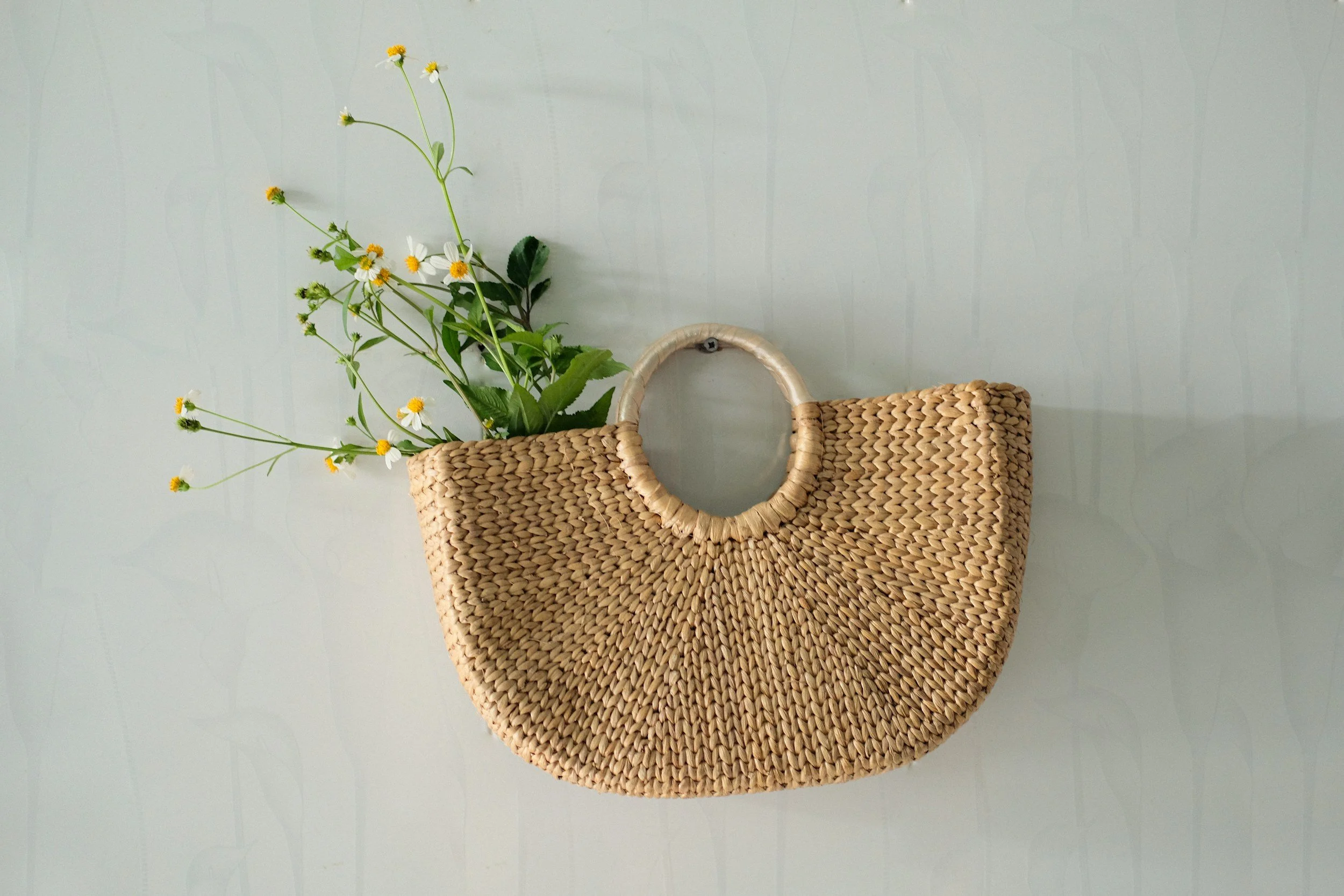
Jute bags offer a more natural appearance and can complement brands that emphasize an earthy or handcrafted aesthetic.
Recycled or other alternative fabrics may also be worth considering if they align with your packaging strategy and supplier capabilities.
Think beyond appearance. Check the bag's weight capacity, stitching, handles, dimensions, and expected use before placing a large order.
3. Match the Bag Size to Your Products
One common mistake is choosing a bag based solely on how it looks.
Instead, consider your typical transactions.
A boutique selling accessories may need smaller bags, while a clothing retailer may require medium or large options. If customers frequently purchase multiple products, the bag should have enough capacity without becoming unnecessarily oversized.
You can also use two or three standardized sizes instead of creating a different bag for every product. This simplifies inventory management and can make purchasing more efficient.
4. Turn the Bag Into a Branding Opportunity
A reusable shopping bag can essentially become a mobile advertisement for your fashion business.
Keep the design recognizable but avoid overcrowding it with information. Your logo, brand colors, website, tagline, or a simple graphic may be enough.
Consider how the bag looks when someone carries it in public. A stylish design increases the chance that customers will reuse it, which means your brand can receive continued visibility.
For custom packaging, businesses can work with suppliers such as PackFancy to explore different customization and packaging options.
5. Make Reuse Part of the Customer Experience
The bag should not feel like an afterthought.
Train your retail team to explain the change naturally. For example, staff can tell customers that the store is moving toward reusable packaging and encourage them to bring the bag back during future visits.
You could also offer a small incentive for returning customers who bring their previous shopping bag. Depending on your business model, this might be a modest discount, loyalty points, or another benefit.
The goal isn't necessarily to create a complicated rewards program. A simple reminder can help customers see the bag as something intended for repeated use.
6. Consider Your Costs Before Ordering
Reusable bags generally require a higher upfront investment than basic disposable bags. However, the comparison shouldn't be based only on the price of one bag.
Look at the total cost over time.
Ask your supplier about:
Minimum order quantities
Unit pricing at different quantities
Printing and customization costs
Material and construction
Shipping
Production lead times
Replacement requirements
Then estimate how many bags you actually need each month.
Ordering thousands of bags simply because the unit price is lower may not be economical if they sit in storage for a long time. Start with realistic demand and adjust future orders based on actual usage.
7. Test the Bags Before a Full Launch
Before committing to a large production run, test samples.
Fill the bag with the types of products customers normally purchase. Check whether the handles are comfortable, seams remain secure, and the material holds up under realistic weight.
Also examine the printing. Does the logo remain clear? Does the design match your brand? Does the bag still look attractive after repeated handling?
Getting answers to these questions early can prevent expensive packaging mistakes.
8. Measure What Happens After the Switch
Once reusable bags become part of your packaging strategy, monitor their performance.
Track practical indicators such as:
Number of bags distributed
Customer feedback
Repeat use where measurable
Packaging costs
Inventory levels
Product returns or damaged bags
Customer participation in reuse incentives
You can also ask customers a simple question: “Would you use this bag again?”
Their answers can reveal more than assumptions about what customers want.
Final Thoughts
Implementing reusable bags doesn't have to mean completely redesigning your fashion business. Start by choosing a durable material, selecting practical sizes, creating a design customers will actually want to reuse, and testing the bags before making a large investment.
Most importantly, make the decision fit your business and customers. A reusable bag is most valuable when it combines functionality, durability, attractive design, and genuine reuse.
When those elements come together, your packaging can become more than something customers carry their purchases home in—it can become a useful part of the brand experience.
HOW DO YOU FEEL ABOUT FASHION?
COMMENT OR TAKE OUR PAGE READER SURVEY
Featured




A comfortable home should offer more than a place to sleep and eat.