
Is PPF Film Better Than Borophene Coating for Car Protection?
PAGE
By PAGE Editor
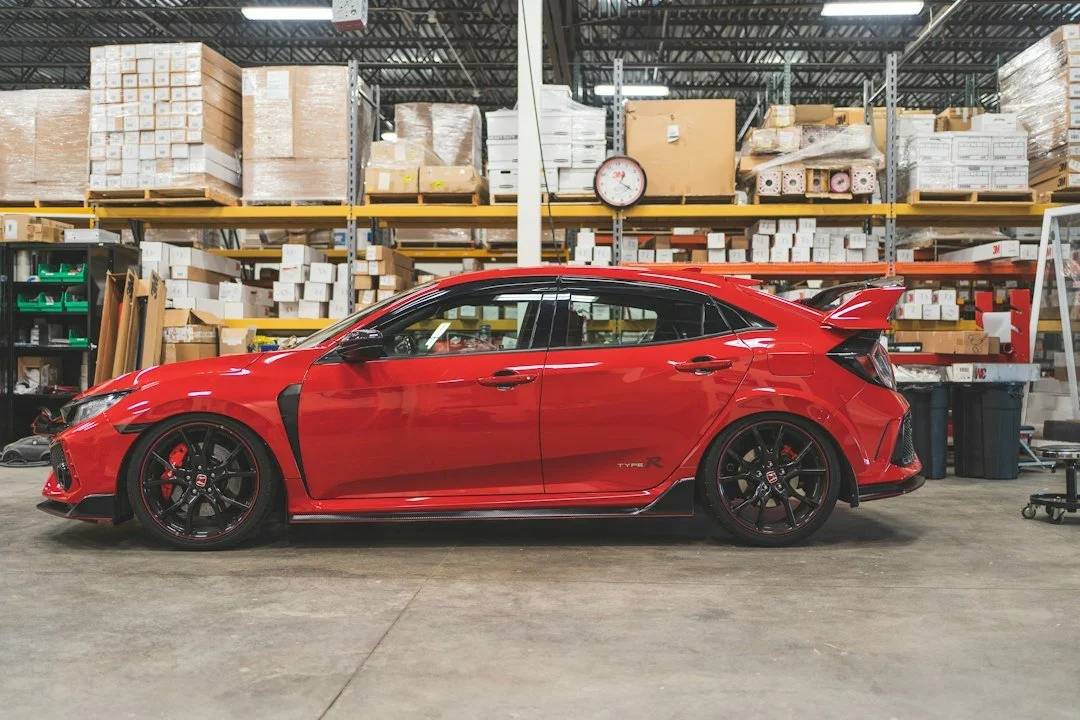
Keeping a car's paint looking fresh is harder than it seems. Daily traffic, loose gravel, dust, bird droppings, road debris and careless parking can leave marks on an otherwise well-maintained vehicle. As automotive detailing technology has evolved, owners now have several options for protecting the exterior, including PPF film and newer surface treatments such as borophene coating.
But are these two products actually doing the same job? Not quite.
The better choice depends on what you want to protect the car from. Understanding how each treatment works can help you spend money on protection that matches your driving habits.
What Is PPF Film?
PPF stands for Paint Protection Film. It is a physical layer installed over the painted surface of a vehicle.
Unlike a liquid coating, PPF film creates a sacrificial barrier between the paint and the outside world. It is particularly useful against minor stone impacts, road debris, light scratches and everyday abrasion.
PPF can be installed on individual panels or across the entire vehicle. High-impact areas such as the front bumper, bonnet, front fenders and ORVMs are commonly selected for partial coverage.
Modern films may also include self-healing top coats. Under suitable heat, some fine surface marks can become less visible.
What Is Borophene Coating?
Borophene is a two-dimensional material based on boron and has attracted attention in materials science because of its unusual properties.
In automotive detailing, the term "borophene coating" is used for advanced coating products marketed around boron-based or nanotechnology-inspired formulations. However, buyers should be careful with broad marketing claims because automotive formulations and specifications can vary significantly from one product to another.
Unlike PPF, a coating is applied as a liquid and cured on the surface. It does not create a thick physical film capable of absorbing a stone impact.
Its potential benefits are more closely related to surface characteristics such as gloss, water behaviour, contaminant resistance and ease of maintenance.
PPF vs Borophene: The Main Difference
The simplest comparison is physical protection versus surface protection.
Imagine a small stone hitting the bonnet at speed. PPF film is designed to act as a sacrificial layer that can absorb or distribute some of that impact.
A coating, including a borophene-based product, is much thinner. It may make the surface harder or more resistant to certain types of contamination and light marking, but it shouldn't be treated as a replacement for an impact-resistant film.
Where Borophene Coating Can Be Useful
A borophene coating may appeal to owners who primarily care about appearance and surface maintenance.
A quality coating can provide a slicker surface, strong water repellency and easier removal of everyday dirt. It can also enhance the visual depth of properly maintained paint.
For a car that spends most of its time in city traffic and is regularly washed, a coating may address the owner's main concerns without the expense of full-body PPF.
However, buyers should look beyond the name of the technology. Ask for the actual product specifications, application instructions, warranty terms and realistic durability claims.
Where PPF Has an Advantage
PPF becomes more relevant when the car regularly encounters physical hazards.
Highway driving is a good example. Loose stones and road debris can hit the front of a vehicle with enough force to chip the paint.
A coating won't provide the same type of sacrificial protection in that situation.
With PPF film, owners can also choose partial coverage rather than paying for the entire vehicle. Protecting the front end can be a practical compromise for someone who wants impact protection while keeping the overall budget under control.
Can You Use Both?
In some cases, yes.
Some vehicle owners use PPF on high-impact areas and a compatible coating on the remaining painted surfaces. Certain PPF products can also receive a compatible top coating, but this should always be confirmed with the film manufacturer.
The combination can make sense because each product addresses a different concern.
PPF helps protect vulnerable panels from physical damage, while a coating can contribute to easier cleaning and water repellency.
The important thing is compatibility. Applying an unapproved coating over PPF can affect the film's appearance, adhesion or warranty.
Installation Quality Matters
Whichever route you choose, application quality should not be overlooked.
For PPF, the installer needs to prepare the paint properly, align the film accurately and finish edges cleanly. Poor installation can result in visible lifting, contamination or uneven edges.
For a coating, preparation is equally important. Washing, decontamination and, where necessary, paint correction should happen before application.
Which One Should You Choose?
There isn't a universal answer. If your main concern is stone chips, road debris and physical abrasion, PPF film is specifically designed for that purpose.
If your priorities are gloss, hydrophobic behaviour and easier maintenance, a borophene coating or another advanced surface coating may be more relevant.
Your driving environment matters too. A highway-heavy driver may have different requirements from someone who mainly uses the car for short urban commutes.
Conclusion
Once you understand their roles, the debate over PPF film versus borophene coating becomes much simpler.
PPF is a physical protective barrier designed to take punishment before the paint does. Borophene coating is a surface treatment focused more on properties such as water repellency, appearance and everyday surface protection.
Rather than choosing based on the latest detailing buzzword, look at the product's documented specifications, installation process, warranty and your own driving conditions. The best protection is ultimately the one that solves the type of problem your car is most likely to face.
HOW DO YOU FEEL ABOUT FASHION?
COMMENT OR TAKE OUR PAGE READER SURVEY
Featured




Preparing a home for overnight guests creates different priorities from ordinary weekly upkeep.