
Modern Industrial Applications and Benefits of Sand Blasting Technology
PAGE
By PAGE Editor
Introduction to Sand Blasting and Its Industrial Importance
In modern industry, surface preparation is one of the most important steps in ensuring durability, strength, and long-term performance of materials used across construction, manufacturing, automotive, marine, and engineering sectors because almost every high-performance structure or machine depends on how well its surface is prepared before coating or finishing work begins, and among all available methods, sand blasting is widely recognized as one of the most efficient and reliable techniques for achieving a clean, uniform, and properly textured surface that supports strong adhesion of paints, coatings, and protective layers while also removing rust, corrosion, old paint, oil, dirt, and other unwanted contaminants in a single controlled process that significantly improves both quality and lifespan of the treated material. The importance of sand blasting continues to grow as industries demand higher durability standards and longer-lasting products, and this method not only enhances surface cleanliness but also improves bonding strength between base materials and protective coatings, making it an essential step in preventing premature wear, environmental damage, and structural failure in demanding operating conditions where reliability and performance are critical for safety and efficiency. sand blasting is therefore considered a core industrial process that directly contributes to quality assurance and long-term cost savings.
Working Process and Mechanism of Sand Blasting
The working mechanism of sand blasting is based on the principle of high-velocity impact where abrasive particles are accelerated using compressed air or mechanical systems and directed toward a target surface through a controlled nozzle system, and these abrasive materials such as sand, aluminum oxide, steel grit, or glass beads strike the surface with significant force that removes unwanted layers including rust, scale, old coatings, and surface impurities while simultaneously creating a textured profile that enhances adhesion for future coatings, and the entire process is carefully controlled by adjusting pressure levels, nozzle distance, spray angle, and abrasive type depending on the nature of the material being treated so that the base surface is cleaned effectively without causing structural damage or deformation. In industrial settings, sand blasting is often performed inside enclosed chambers or specialized blasting rooms where dust extraction systems, air filtration units, and safety mechanisms are installed to ensure controlled working conditions, and modern advancements have further improved efficiency by introducing automated blasting systems that deliver consistent results, reduce manual labor, and increase productivity while maintaining high precision across large-scale applications.
Importance of Surface Preparation in Industrial Processes
Surface preparation is one of the most critical stages in any industrial finishing process because the quality of coating, painting, or protective treatment directly depends on how clean and properly textured the base surface is, and if contaminants such as rust, grease, dust, or old paint layers are not completely removed, they can significantly weaken adhesion strength, cause coating failure, reduce durability, and eventually lead to costly repairs, maintenance issues, and operational downtime that negatively affect productivity and safety standards in industrial environments. sand blasting plays a vital role in eliminating these risks by thoroughly cleaning and roughening the surface in a controlled manner that ensures optimal bonding conditions for coatings and finishes, thereby increasing resistance to corrosion, abrasion, weathering, and chemical exposure while also improving the overall structural integrity and performance of the treated material. This makes sand blasting an essential process in industries where long-term reliability, safety, and performance cannot be compromised.
Industrial Applications of Sand Blasting Technology
Sand blasting is widely used across multiple industries due to its versatility and effectiveness in handling different materials and surface conditions, and in construction it is commonly applied to steel beams, bridges, concrete structures, and architectural components to remove contaminants and prepare surfaces for protective coatings that enhance durability against environmental exposure such as moisture, pollution, and temperature variations, while in the automotive industry it is used for cleaning vehicle frames, engine components, and body parts by removing rust, paint, and debris which allows for better restoration, repainting, and maintenance processes that improve both appearance and functionality. Manufacturing industries also depend heavily on sand blasting for cleaning machine parts, tools, and metal components to ensure smooth operation, remove production residues, and prepare surfaces for assembly or finishing, while marine and shipbuilding industries use it extensively for cleaning ship hulls, removing corrosion, marine growth, and old protective layers in order to maintain structural strength, fuel efficiency, and long-term durability in harsh saltwater environments, making sand blasting an indispensable technology across all these sectors where material performance and maintenance are key priorities.
Types of Abrasive Materials Used in Sand Blasting
Different abrasive materials are selected in sand blasting depending on the nature of the surface, the level of cleaning required, and the desired finishing outcome, and each abrasive type offers unique properties that make it suitable for specific applications, such as aluminum oxide which is highly durable and used for aggressive cleaning and heavy-duty surface preparation due to its sharp cutting ability, glass beads which are commonly used for polishing and creating smooth, satin-like finishes without damaging the base material, steel grit which is extremely effective in removing tough rust, scale, and old coatings from metal surfaces in industrial environments, and plastic abrasives which are used for delicate surfaces where gentle cleaning is required to avoid damage while still achieving effective contamination removal, and the correct selection of abrasive material is crucial in ensuring efficiency, safety, and quality results in sand blasting operations.
Safety Measures and Environmental Considerations
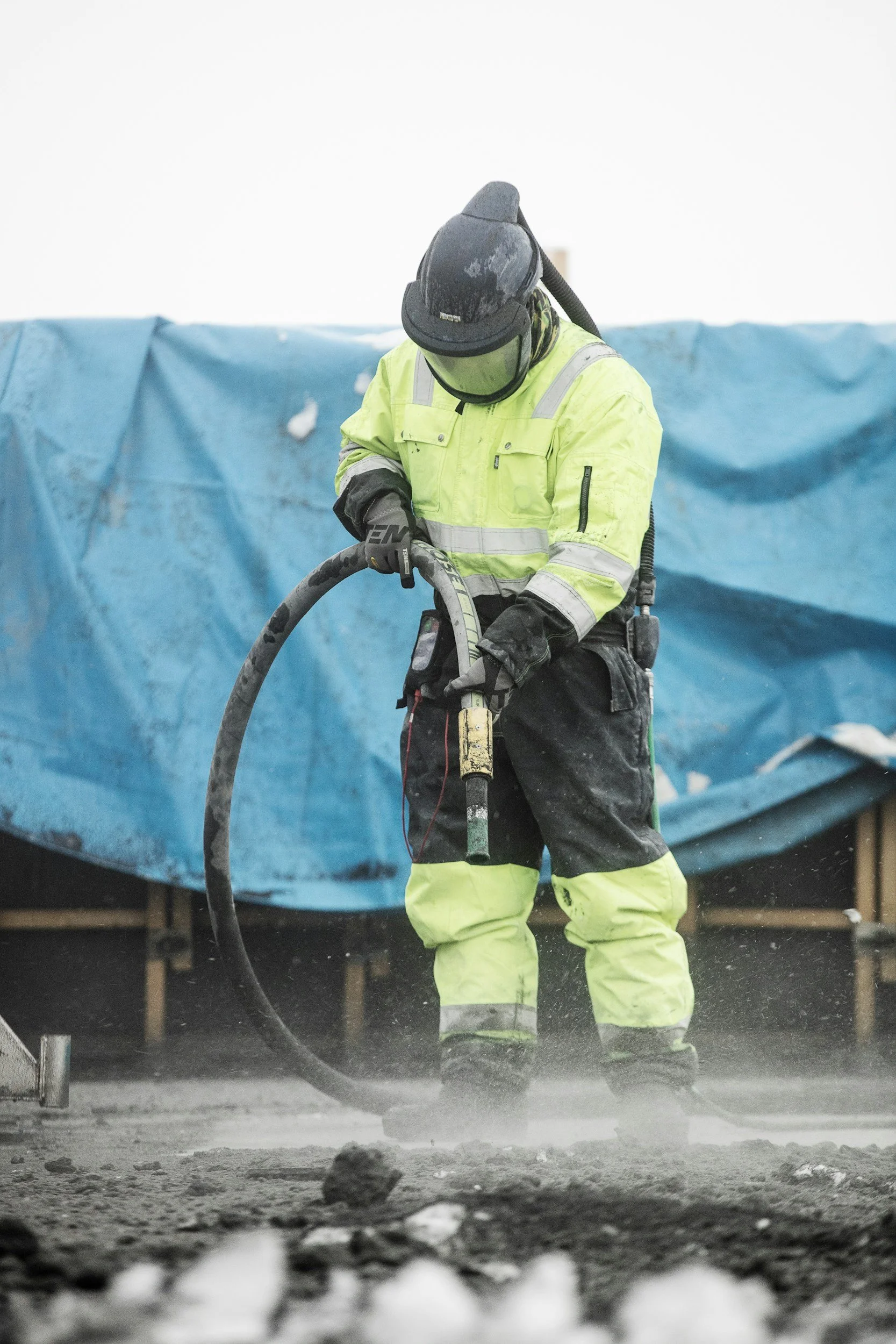
Sand blasting is a powerful industrial process but it also involves safety and environmental challenges that must be properly managed because it generates dust, airborne particles, and noise that can be harmful to operators if exposed without protection, therefore safety equipment such as respirators, helmets, gloves, protective suits, and eye protection is essential for preventing health risks during operation, and modern industrial systems have introduced advanced dust collection units, enclosed blasting chambers, and ventilation systems that significantly reduce exposure levels and improve workplace safety standards while also minimizing environmental impact by controlling airborne contamination and waste dispersion. In addition, the industry has shifted toward eco-friendly abrasive materials and recycling systems that reduce waste generation and promote sustainable practices, ensuring that sand blasting remains an effective yet environmentally responsible surface treatment method in modern industrial applications.
Advantages of Sand Blasting in Modern Industry
Sand blasting offers numerous advantages that make it one of the most preferred surface treatment methods in industrial applications, including fast and efficient removal of rust, paint, and contaminants in a single operation that saves time and labor costs while producing a uniform surface texture that enhances coating adhesion and improves overall material durability, and its versatility allows it to be used on a wide range of materials including metal, concrete, wood, and stone which makes it suitable for diverse industrial sectors with different requirements. Additionally, sand blasting improves product quality by ensuring that surfaces are properly prepared before finishing processes, reduces long-term maintenance costs by increasing resistance to corrosion and wear, and enhances operational efficiency by minimizing surface-related failures and improving the lifespan of treated components and structures, making it a cost-effective and performance-enhancing solution in modern industries.
Technological Advancements in Sand Blasting Systems
Recent technological developments have significantly improved sand blasting systems by introducing more precise control mechanisms that allow operators to adjust pressure, abrasive flow, and spray patterns with high accuracy, resulting in better surface quality, reduced material wastage, and improved operational efficiency, while automated sand blasting machines are now widely used in large-scale industrial environments where consistency, speed, and precision are required to handle mass production tasks efficiently without compromising quality standards. These advancements also include improved safety features, dust control systems, and environmentally friendly designs that reduce emissions and enhance workplace conditions, making modern sand blasting systems more reliable, sustainable, and adaptable to complex industrial requirements.
Economic Impact of Sand Blasting in Industrial Operations
Sand blasting plays a significant economic role in industrial operations by reducing maintenance costs, improving equipment lifespan, and minimizing downtime caused by surface-related failures, because properly prepared surfaces ensure better coating performance and reduce the chances of corrosion, peeling, or structural damage that could lead to expensive repairs or replacements, and industries benefit from increased productivity as sand blasting allows faster processing, efficient cleaning, and improved workflow continuity, which ultimately leads to higher profitability and better resource utilization while maintaining quality standards across operations.
Conclusion
In conclusion, sand blasting is an essential industrial process that plays a vital role in surface preparation, cleaning, and finishing across a wide range of industries including construction, automotive, manufacturing, and marine sectors, and its ability to remove contaminants, improve surface texture, and enhance coating adhesion makes it a fundamental step in ensuring durability, safety, and long-term performance of materials and structures, while continuous technological advancements and improved safety and environmental practices have made sand blasting more efficient, controlled, and sustainable, securing its position as one of the most important surface treatment technologies in modern industrial applications.
HOW DO YOU FEEL ABOUT FASHION?
COMMENT OR TAKE OUR PAGE READER SURVEY
Featured





Better With Age’s FW26 “STOLEN ART” collection expands its circular design philosophy into refined tailoring and limited-edition eyewear, transforming vintage textiles and antique silver flatware into contemporary pieces with a distinct sense of history.