
Modern Kitchen Renovation Ideas, Layout Planning and Upgrade Strategies
PAGE
By PAGE Editor
Introduction
The kitchen is one of the most important spaces in any home because it is where daily meals are prepared, family interactions happen, and functional living begins. Over time, kitchens become outdated in design, inefficient in layout, and limited in storage capacity. This is why many homeowners focus on improving this space to match modern needs and lifestyle changes. A well-planned kitchen transformation not only enhances visual appeal but also improves functionality, comfort, and property value. A properly executed kitchen renovation can completely change how the space is used, making cooking easier, movement smoother, and organization more efficient. When planned correctly, it becomes one of the most rewarding home improvement projects.
Understanding the Purpose of Kitchen Upgrading
Before starting any design changes, it is important to understand why kitchen improvements are needed. Many kitchens suffer from poor layout, insufficient storage, outdated appliances, or lack of proper lighting. These issues can make daily tasks frustrating and time-consuming. A modern upgrade focuses on solving these problems by creating a more efficient workflow and improving usability. A successful kitchen renovation aims to combine practicality with style so that the space becomes both functional and visually appealing. This balance is essential for long-term satisfaction and usability.
Importance of Proper Layout Planning
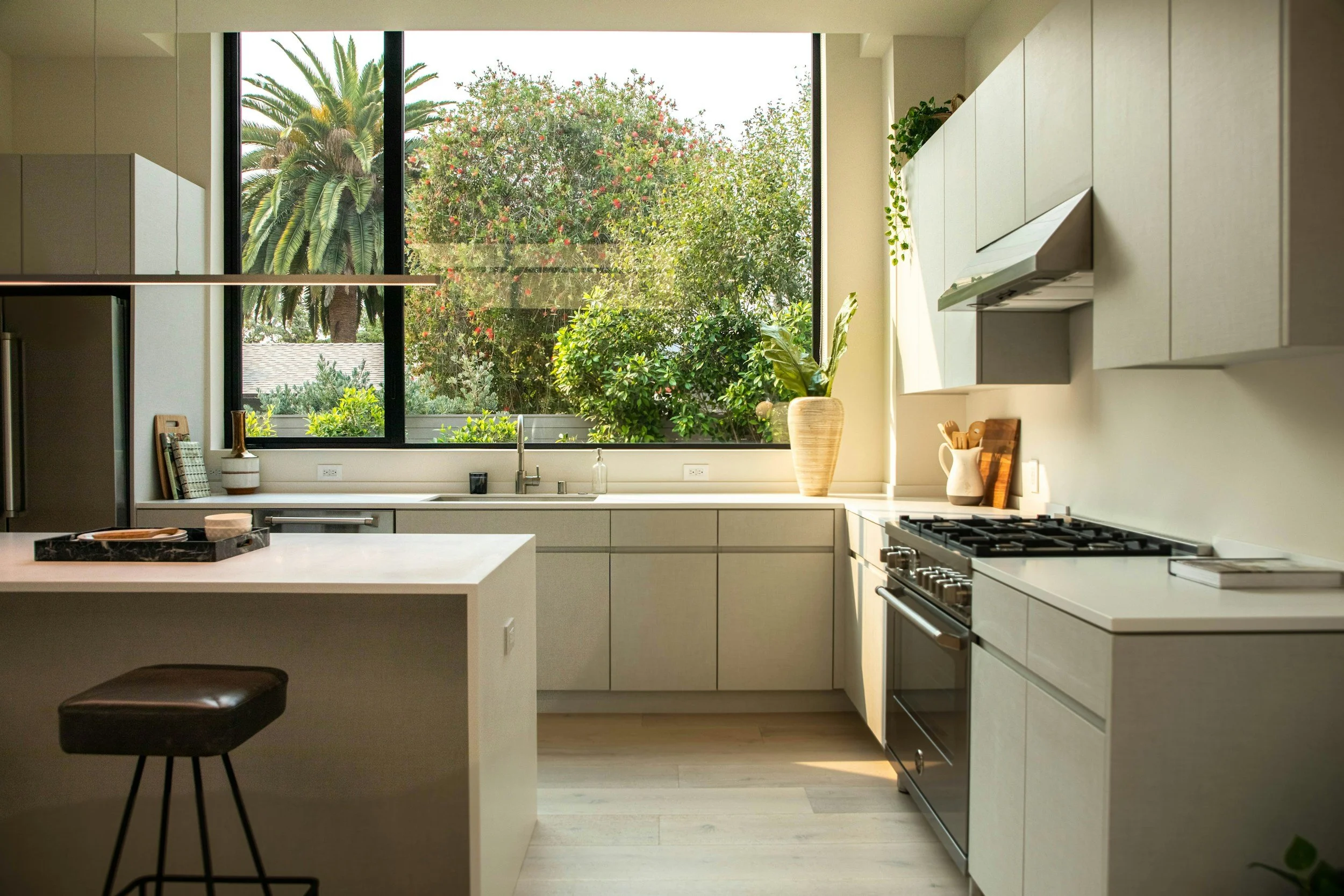
Layout planning is the foundation of any kitchen improvement project. A well-designed layout ensures that movement between cooking, cleaning, and storage areas is smooth and efficient. The concept of the work triangle, which connects the stove, sink, and refrigerator, is commonly used to improve functionality. If these areas are placed too far apart or too close together, it can affect workflow and comfort. Choosing the right layout depends on available space and usage needs. Common layouts include straight-line, L-shape, U-shape, and open-concept designs. Proper planning in this stage ensures that the final result of a kitchen renovation meets both practical and aesthetic expectations.
Space Optimization Techniques
Maximizing available space is one of the most important goals in kitchen design. Many kitchens, especially older ones, suffer from poor storage utilization and wasted corners. Modern design solutions focus on vertical storage, hidden compartments, pull-out shelves, and modular cabinets. These features help increase storage capacity without making the kitchen feel crowded. Even small kitchens can feel spacious when designed efficiently. Proper space optimization allows for better organization, reduced clutter, and improved accessibility. A smart kitchen renovation always considers how to make the most of every inch of available space.
Choosing the Right Materials
Material selection plays a major role in durability, maintenance, and appearance. Countertops, cabinets, flooring, and wall finishes must all be carefully chosen based on usage and style preferences. Durable materials like quartz, granite, and solid wood are commonly used because they offer long-lasting performance. Flooring must be resistant to moisture and easy to clean, while cabinet materials should balance strength and visual appeal. The right combination of materials ensures that the kitchen remains functional and attractive for years. Careful selection is a key part of any kitchen renovation because it affects both performance and design quality.
Cabinet Design and Storage Improvements
Storage is one of the biggest concerns in any kitchen. Without proper organization, even a large kitchen can feel cluttered and inefficient. Modern cabinet designs focus on maximizing usability through smart layouts and hidden storage solutions. Deep drawers, corner units, and adjustable shelves help improve organization and accessibility. Custom cabinetry allows homeowners to design storage according to their specific needs. Improving storage is often one of the most impactful parts of a kitchen renovation because it directly affects daily usability and convenience.
Lighting and Visual Enhancement
Lighting is often overlooked but plays a critical role in kitchen design. A well-lit kitchen improves safety, enhances visibility, and creates a welcoming atmosphere. Modern kitchen lighting includes a combination of ambient, task, and accent lighting. Task lighting is essential for cooking and preparation areas, while ambient lighting provides overall brightness. Accent lighting can highlight design features such as cabinets or backsplash areas. Natural light should also be maximized whenever possible. Proper lighting design is an essential part of modern kitchen renovation planning.
Appliance Upgrades and Smart Features
Modern kitchens rely heavily on efficient appliances that improve performance and reduce energy consumption. Upgrading old appliances can significantly improve kitchen functionality. Energy-efficient refrigerators, ovens, dishwashers, and cooktops offer better performance and lower operating costs. Smart appliances also provide advanced features such as automation and remote control. These upgrades make cooking and cleaning easier while improving overall efficiency. Including modern appliances is an important step in any kitchen renovation because it brings technology and convenience into everyday use.
Flooring and Wall Design Improvements
Flooring and wall finishes contribute significantly to the overall look and durability of the kitchen. Flooring must be strong, slip-resistant, and easy to maintain due to heavy usage. Tiles, vinyl, and engineered wood are popular choices. Wall designs, including backsplashes, protect surfaces from moisture and stains while adding decorative value. A well-designed backsplash can become a focal point of the kitchen. These elements are essential in creating a balanced and attractive space during a kitchen renovation.
Ventilation and Air Quality
Proper ventilation is necessary to maintain a healthy and comfortable kitchen environment. Cooking produces heat, smoke, and odors that need to be effectively removed. Range hoods and exhaust systems help improve air circulation and maintain cleanliness. Good ventilation also prevents grease buildup on surfaces and improves overall hygiene. Without proper airflow, kitchens can become uncomfortable and difficult to maintain. This makes ventilation an essential part of modern kitchen renovation planning.
Budget Planning and Cost Control
Budgeting is one of the most important steps in any home improvement project. A clear budget helps determine the scope of work and prevents unnecessary expenses. Costs can vary depending on materials, labor, and design complexity. Planning ahead allows homeowners to prioritize essential upgrades while managing expenses effectively. Unexpected costs can arise during renovation, so it is important to include a buffer in the budget. Proper financial planning ensures a smooth and stress-free kitchen renovation process.
Common Challenges in Kitchen Remodeling
Every renovation project comes with its own set of challenges. These may include limited space, outdated plumbing, electrical issues, or structural limitations. Delays in material delivery or unexpected repair needs can also affect timelines. Proper planning and professional guidance help overcome these challenges efficiently. Understanding potential problems in advance ensures better preparation and smoother execution. A successful kitchen renovation requires flexibility and problem-solving throughout the process.
Sustainability and Eco-Friendly Design
Modern homeowners are increasingly focusing on environmentally friendly solutions. Sustainable kitchen design includes energy-efficient appliances, recycled materials, and water-saving fixtures. Eco-friendly choices not only reduce environmental impact but also lower long-term utility costs. Using durable materials also reduces the need for frequent replacements. Sustainability is becoming an important part of kitchen renovation planning as more people prioritize responsible living.
Maintenance and Long-Term Care
After completing a renovation, proper maintenance is essential to preserve quality and appearance. Regular cleaning helps maintain hygiene and prevents damage. Cabinets, countertops, and appliances should be maintained according to manufacturer guidelines. Periodic inspections of plumbing and electrical systems ensure continued safety. Good maintenance practices extend the life of the kitchen and protect the investment made during the kitchen renovation process.
Value Addition and Lifestyle Improvement
A well-designed kitchen significantly increases the value of a property. It is often one of the first areas potential buyers evaluate. Beyond financial value, it also improves daily lifestyle by making cooking and organization more efficient. A modern kitchen enhances comfort, convenience, and overall home experience. Investing in a kitchen renovation is not just about appearance; it is about improving how a home functions and feels every day.
Conclusion
A kitchen is more than just a cooking space; it is the center of daily life and family interaction. Improving its design, layout, and functionality can have a major impact on comfort and efficiency. From layout planning and material selection to lighting, storage, and appliance upgrades, every detail plays an important role in the final outcome. With proper planning and execution, a kitchen renovation can transform an outdated space into a modern, efficient, and stylish environment. It enhances both lifestyle and property value, making it one of the most valuable home improvement investments.
HOW DO YOU FEEL ABOUT FASHION?
COMMENT OR TAKE OUR PAGE READER SURVEY
Featured





Twelve times on input and twelve times on output is not a ratio you usually find inside a single vendor's lineup.