
Parsons’ Ensemble Showcase Reimagines Fashion As A Collective Global Dialogue
PAGE
By PAGE Editor
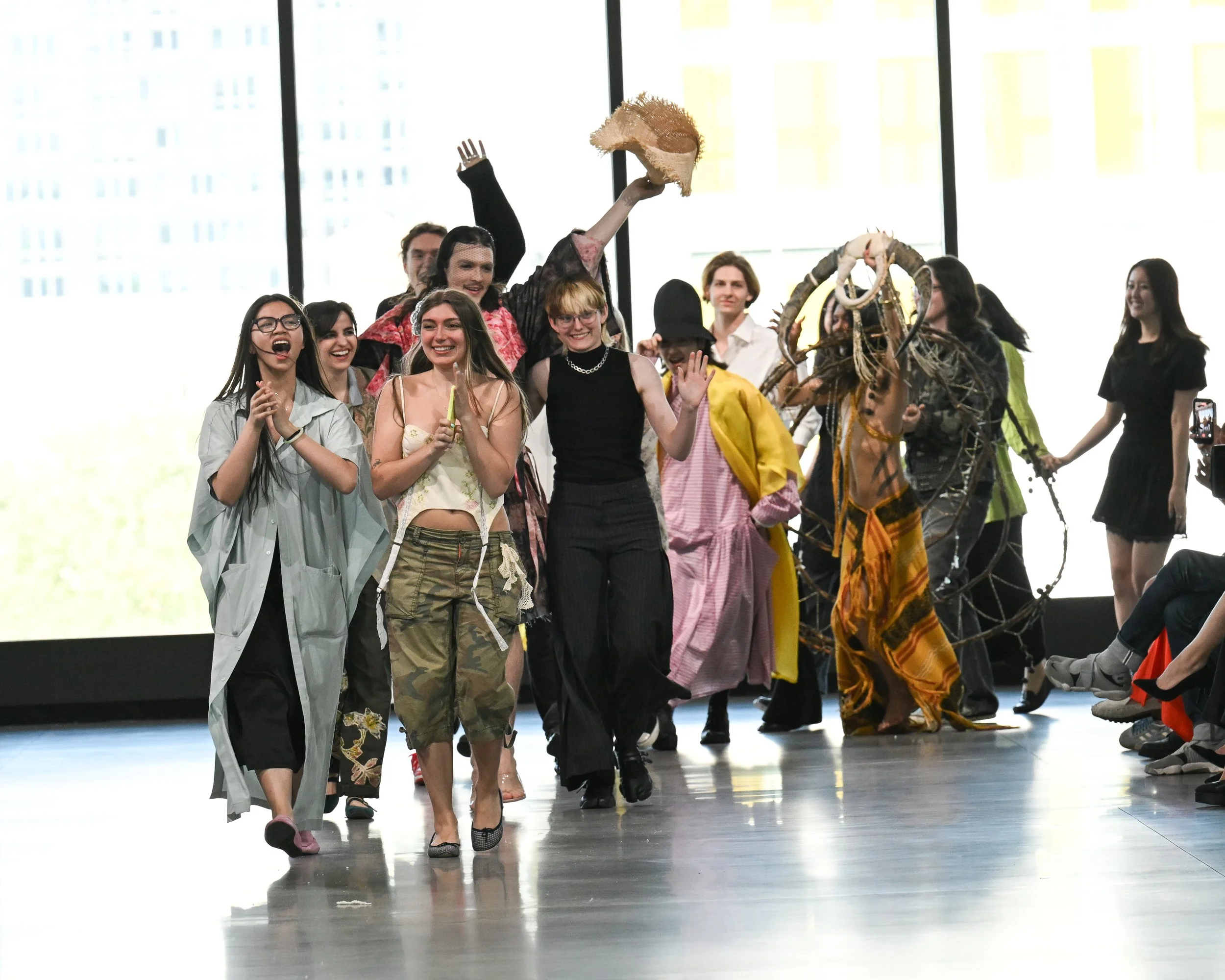
As the global fashion industry continues to interrogate who fashion serves and how design can operate as both expression and infrastructure, the 2026 Parsons School of Design BFA runway showcase arrives less as a student presentation and more as a cultural thesis. Titled Ensemble, the graduating class from Parsons School of Design positions fashion not simply as garment production, but as a language for identity, preservation, activism, and systems change.
Presented in New York on May 17, Ensemble gathers 31 designers representing 12 nationalities across four continents, reflecting the increasingly international framework shaping contemporary fashion education. Yet what distinguishes this year’s showcase is not diversity as optics, but diversity as methodology. The collections move fluidly between womenswear, menswear, gender-neutral design, adaptive garments, and size-inclusive systems, revealing a generation less interested in reinforcing industry archetypes than redefining them altogether.
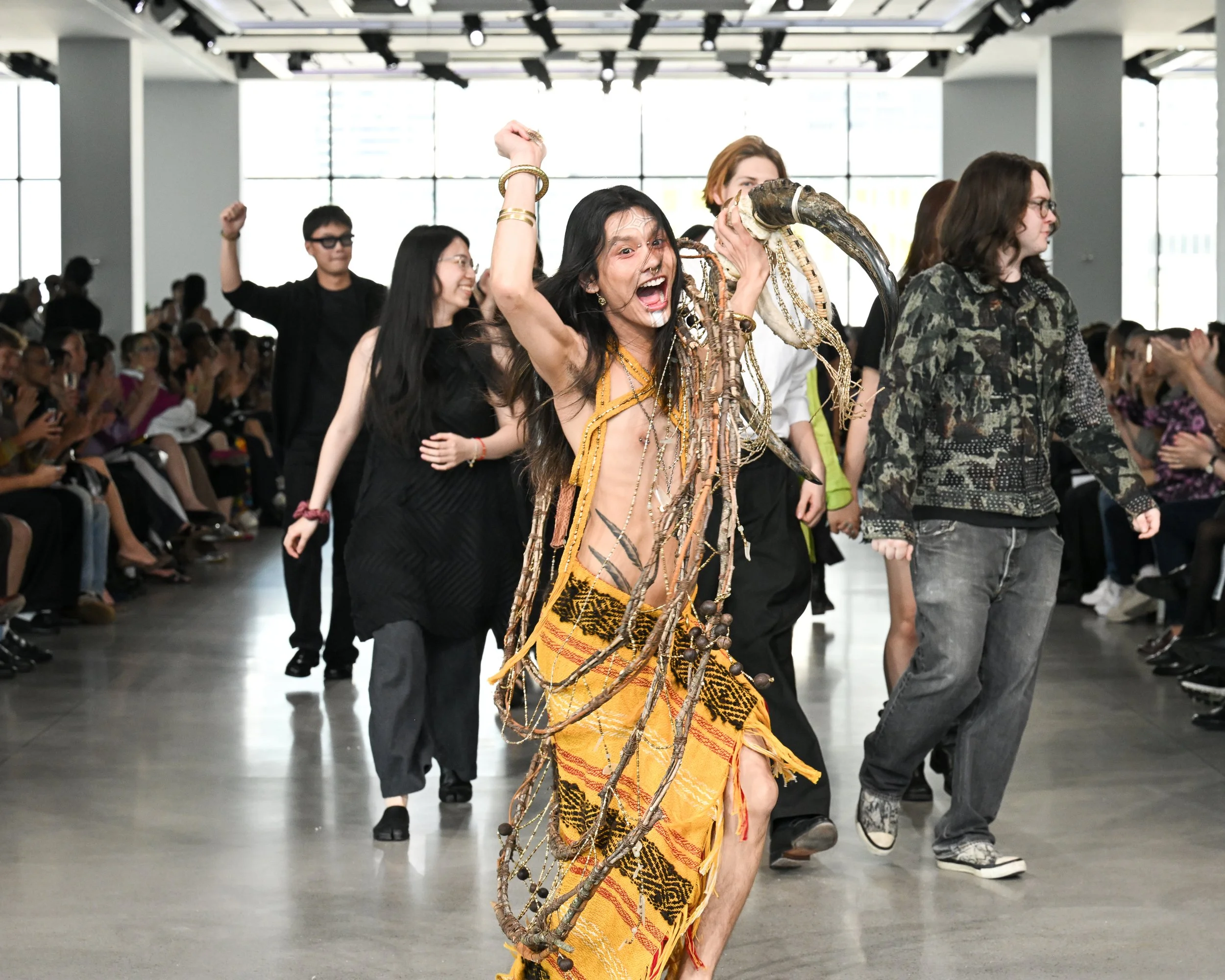
The title itself functions as the exhibition’s conceptual anchor. Borrowing from the structure of a musical ensemble, the showcase emphasizes individuality operating in collective harmony — a timely proposition in an industry often driven by singularity and spectacle. Here, designers maintain distinct cultural and aesthetic identities while contributing to a broader conversation about the future of fashion. The result is a runway built on multiplicity rather than uniformity.
Across the collections, fashion becomes a site of political and emotional storytelling. Narratives rooted in Georgian youth protest movements sit alongside explorations of Indigenous Filipinx spirituality. Turkish feminist craft traditions intersect with examinations of Southern American identity, while Japanese repair practices and the material histories of Yunnan and Thailand inform approaches to silhouette, textile manipulation, and construction. Rather than flattening cultural reference into trend forecasting, the designers use personal histories as frameworks for authorship.
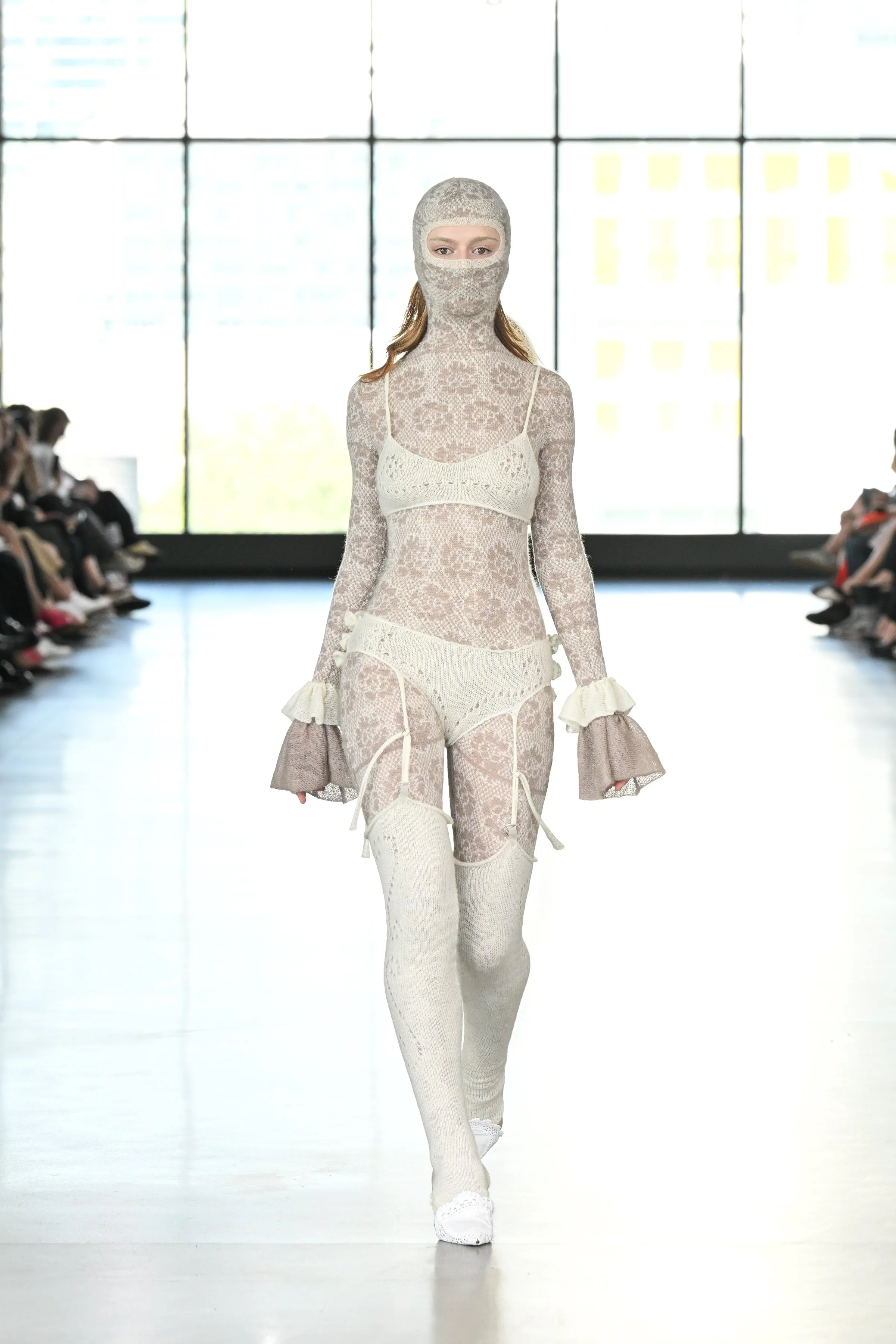
Sustainability also emerges not as a marketing requirement, but as a foundational design principle. Multiple collections engage directly with upcycling, reclaimed textiles, circular systems, and slow craft traditions, reflecting a broader shift among emerging designers toward accountability in production. Importantly, these practices are not presented as aesthetic limitations. Instead, they become catalysts for innovation, forcing new material conversations and challenging conventional notions of luxury, permanence, and value.
Equally significant is the showcase’s emphasis on accessibility and representation in garment creation itself. Several designers expand the conversation around who fashion is traditionally made for, incorporating adaptive methodologies and inclusive sizing into their collections from inception rather than as secondary considerations. In doing so, Ensemble reflects a growing movement within fashion education that understands inclusivity as a structural responsibility rather than a seasonal initiative.
The showcase also reinforces Parsons’ longstanding role as one of fashion’s most internationally influential institutions. Under the leadership of Program Director Anna Lerner-Zwick alongside Deshon Varnado, Laura Lanteri, and Charlie Morris, the presentation demonstrates how academic environments are increasingly becoming incubators for interdisciplinary thinking, where fashion intersects with anthropology, politics, sustainability, and social design.
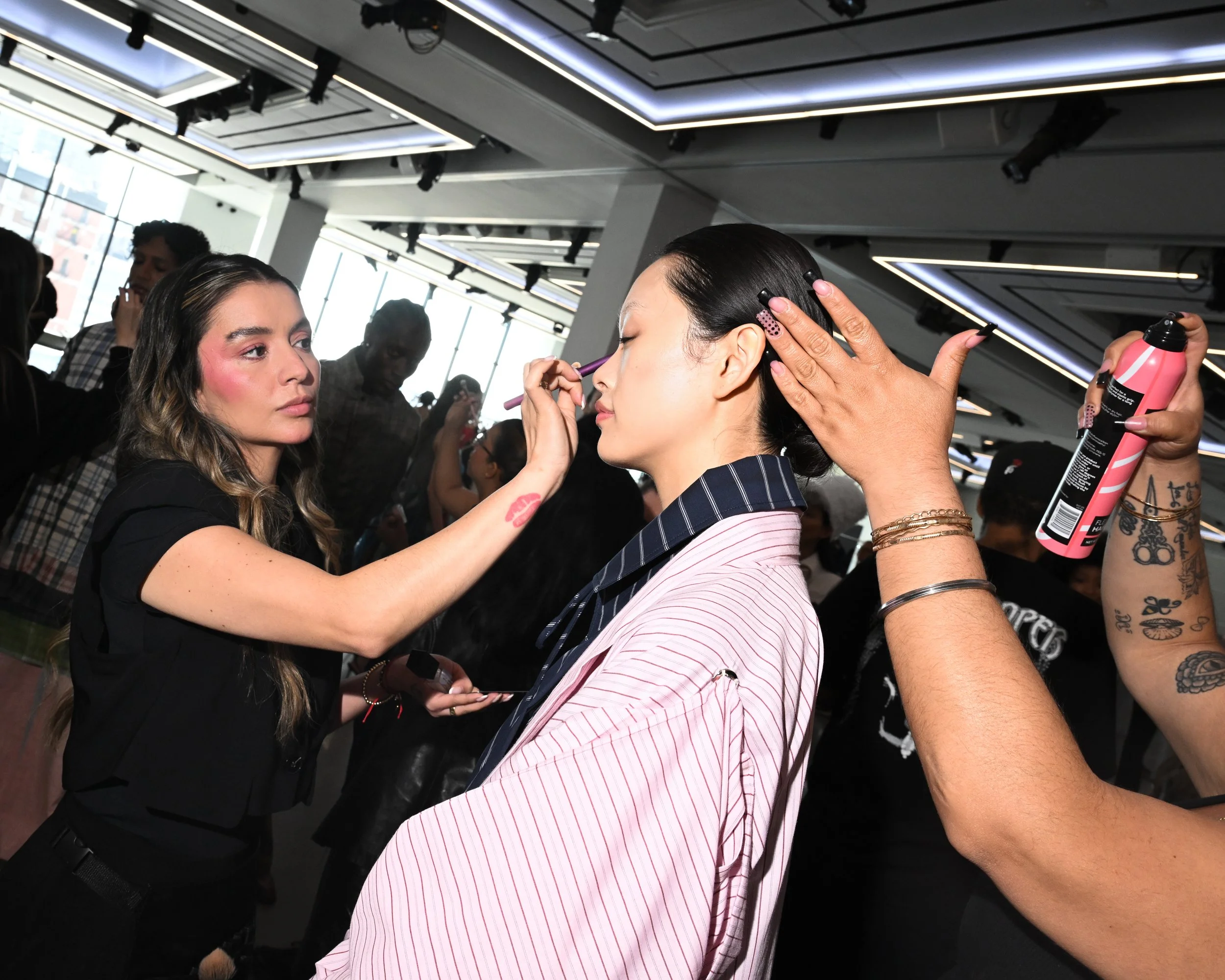
Support from Theory as the official partner of the 2026 runway showcase further underscores the ongoing dialogue between emerging talent and established industry infrastructure. At a moment when luxury houses and global brands are recalibrating their relationships to craft, identity, and community, the Parsons Class of 2026 offers a compelling glimpse into the values shaping fashion’s next era.
More than a graduate runway, Ensemble presents fashion as collective authorship — one where individuality is not diluted through collaboration, but amplified by it.
See full show highlights:
HOW DO YOU FEEL ABOUT FASHION?
COMMENT OR TAKE OUR PAGE READER SURVEY
Featured
Better With Age’s FW26 “STOLEN ART” collection expands its circular design philosophy into refined tailoring and limited-edition eyewear, transforming vintage textiles and antique silver flatware into contemporary pieces with a distinct sense of history.