
Soft Structure: Why the Quilted Tote Fits the Way We Dress Now
PAGE
By PAGE Editor
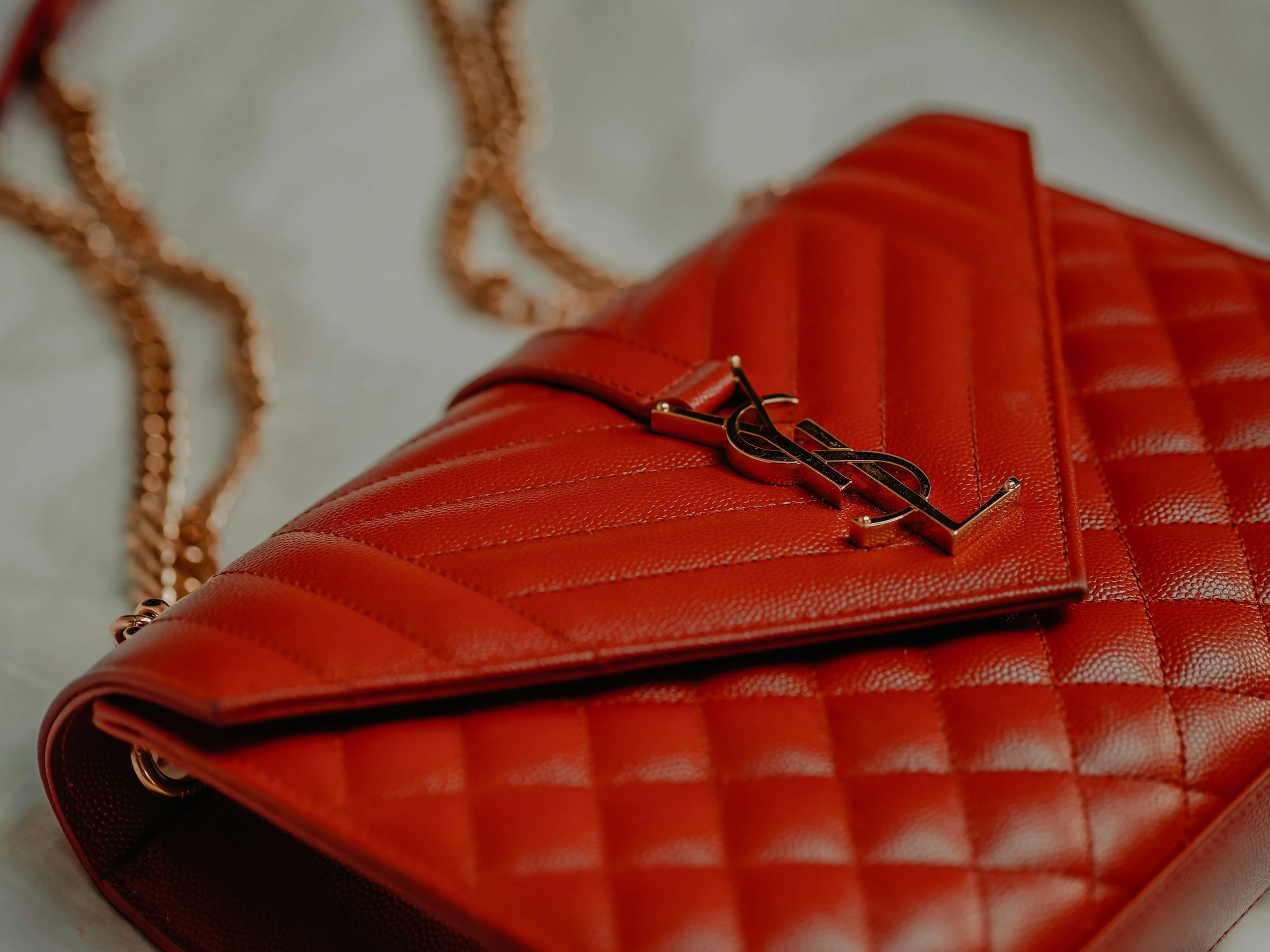
Fashion has spent years moving between two extremes. On one side are sharply structured bags that hold their shape no matter what goes inside them. On the other are oversized, almost shapeless totes designed to carry half a day’s life without asking too many questions. The quilted tote sits somewhere in the middle, and that may be exactly why it feels so right for the way many people dress now.
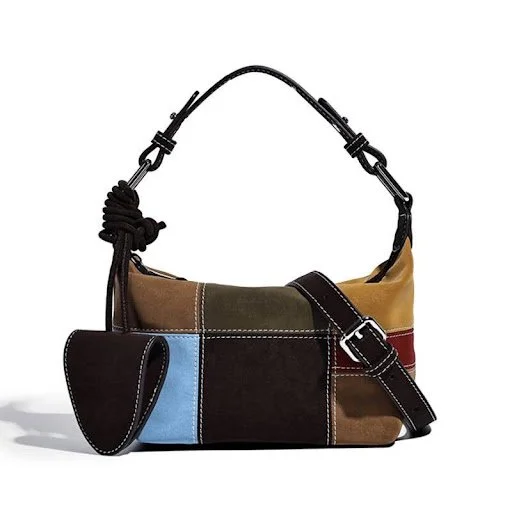
It has enough shape to look considered, but not so much that it feels formal. The padded surface adds texture to simple clothes, while the tote format leaves room for the things that actually travel with us: a phone, wallet, sunglasses, cosmetics, headphones, a water bottle, perhaps a notebook or tablet. It is a fashion accessory, but it does not pretend that practicality is beneath it.
Texture does more work when the outfit is simple
A lot of modern everyday dressing is surprisingly straightforward. Wide-leg trousers, knitwear, denim, oversized shirts and long coats do not necessarily need more layers or more decoration. Sometimes they just need one element that stops the outfit from looking flat.
Quilting does that without relying on a loud print or an obvious statement colour. The stitching breaks up the surface of the bag and creates depth, which becomes especially noticeable beside smoother fabrics. A quilted tote against a wool coat, crisp cotton shirt or simple knit gives the eye something to settle on without changing the entire mood of the outfit.
This is one reason the style works well in neutral colours. Black, cream, brown or grey can still feel visually interesting when the surface has dimension. The bag does not need to shout to be noticed.
For anyone building a wardrobe around pieces that need to work together repeatedly, browsing a wider bag selection from DOKIBAGS can also be a useful reminder that shape and texture often matter just as much as colour. Two bags in the same shade can play completely different roles depending on whether the surface is smooth, structured, slouchy or quilted.
The tote has changed because our days have changed
There was a time when the idea of a “day bag” was relatively simple. You left home, went to work and came back. Now a single day can include a commute, a café, a laptop, a workout class, groceries and dinner without a return trip home in between.
That changes what people ask from a bag.
A tiny shoulder bag can look perfect but quickly become inconvenient when the day requires more than a phone and cardholder. At the opposite end, a large work tote can start to feel unnecessarily formal once office hours are over.
A quilted tote works well in that middle ground because its softness makes larger dimensions feel less severe. It can hold more without immediately looking like a traditional briefcase or rigid work bag. That gives it a natural place in wardrobes where the line between workwear and casual clothing is already becoming less strict.
Softness can make a large bag easier to style
Large bags have visual weight. Even before anything is placed inside them, they occupy a significant amount of space in an outfit.
A rigid rectangular tote can sharpen a look, which is useful with tailoring but sometimes too severe with relaxed clothing. Quilting softens that geometry. The bag can still have a recognisable shape, but the padded construction takes away some of the hardness.
That is particularly useful with oversized clothing. A long coat, loose trousers and a big sweater already create plenty of volume, so adding another hard-edged shape can make everything feel heavy. A softer tote follows the relaxed direction of the clothing without disappearing completely.
With fitted clothes, the contrast works the other way. A streamlined dress or narrow silhouette can benefit from a larger, softer accessory because it introduces a different proportion.
A work bag no longer has to look like a work bag
Office dressing has become less predictable, and bags have followed. A work tote no longer has to be black, rectangular and serious enough to look as though it belongs beside a filing cabinet.
What matters more is whether it fits the day.
If a tote is intended for work, the first question should be what actually needs to go inside. A notebook and a few personal items require something very different from a laptop, charger, headphones, cosmetic bag and lunch. It is easy to focus on the outside of a bag and forget that its usefulness will ultimately be decided by what happens inside it.
This is where looking at different quilted tote bags makes more sense when approached through routine rather than trend. A compact quilted tote might work as an everyday city bag, while a roomier version can move more easily between commuting, travel and longer days away from home.
The ideal size is not the biggest one available. It is the size that carries what you regularly need without encouraging you to bring everything you own.
Quilting does not automatically mean dressy
Quilting has long been associated with polished handbags, but the detail itself is surprisingly flexible. Change the proportions and the same idea can feel completely different.
Small, neat quilting with polished hardware can lean more refined. Larger padded sections and softer construction tend to feel casual and contemporary. The strap, handles and overall silhouette change the impression again.
That flexibility is useful because a tote is rarely worn with only one type of outfit. It may sit beside a blazer one day and a hoodie the next. A design that is neither too formal nor aggressively sporty can move between those situations without looking misplaced.
This is also why styling a quilted tote does not need to be complicated. With denim, a white shirt and loafers, it adds texture. With a long coat and boots, it becomes part of the outerwear silhouette. With a simple dress and sneakers, it can keep the outfit from feeling too delicate.
Colour should follow the wardrobe, not the season
It is tempting to treat bags as seasonal purchases: lighter colours for spring, brown for autumn and black for winter. Real wardrobes are rarely that organised.
A cream quilted tote can look just as convincing with a charcoal coat as it does with a summer dress. Brown works with blue denim in almost every season. Black becomes less predictable when the quilted surface catches light differently across the bag.
The better question is not which colour is currently trending, but which colour already has somewhere to go.
If most of the wardrobe is black, grey and navy, a lighter bag can introduce contrast. If clothing is already colourful, a dark or neutral tote may be easier to repeat. Someone who wears a lot of camel, cream, denim and warm neutrals may get more use from brown than from black.
An accessory becomes genuinely versatile when it connects to the clothes that are already being worn, not the wardrobe we imagine we might have one day.
The useful details are usually the quiet ones
Bag shopping naturally begins with appearance, but small functional details tend to determine whether a tote becomes a favourite.
Handle length is one of them. A tote that fits comfortably over a coat is much easier to live with than one that only works over a thin T-shirt. The opening matters too, particularly for commuters or anyone spending time in busy public spaces. Interior pockets may not photograph particularly well, but they become important when keys and headphones otherwise disappear into the bottom.
Weight deserves attention as well. Large bags invite people to carry more, so a heavy bag can become uncomfortable quickly once everyday items are added.
None of these details is glamorous, but that is exactly the point. The best everyday design often disappears into the routine. You stop thinking about how the bag works because nothing about using it is irritating.
One bag, several versions of the day
The most convincing argument for a quilted tote is not that it belongs to a particular trend. It is that it adapts well to the way outfits and schedules now overlap.
A tote carried with tailoring in the morning does not look strange beside a sweater and denim later in the day. It can hold travel essentials on a train, then work as an everyday bag after arrival. Depending on its size and finish, it can move through work, shopping and casual plans without requiring a change.
That kind of adaptability makes an accessory easier to keep in rotation. Instead of being bought for one outfit or one occasion, it gradually becomes part of a personal uniform.
There is also something appealing about a bag that looks better when it is being used rather than when it is sitting perfectly empty on a shelf. A soft tote can take on a little movement and volume as the day goes on without losing its character.
The better wardrobe question is “Will I keep reaching for it?”
Fashion encourages us to ask whether something is new, flattering or currently relevant. For an everyday bag, there is another question that is often more useful: will I still want to pick this up when the novelty is gone?
That depends on more than appearance. The bag has to suit the clothes around it, carry what the day requires and feel comfortable enough that using it does not become a small inconvenience repeated every morning.
The quilted tote makes sense because it does not force a choice between looking considered and being useful. Its texture can give simple clothing more depth, while the familiar tote shape keeps it grounded in everyday life.
In a wardrobe full of pieces competing to be the statement, there is something refreshing about an accessory that simply earns its place by being used.
HOW DO YOU FEEL ABOUT FASHION?
COMMENT OR TAKE OUR PAGE READER SURVEY
Featured


Your AC rarely dies without warning. Learn the seven early failure signs and the exact first steps to take before you lose cool air entirely.