
The Slouch Is the Point: Why Relaxed Boots Feel Right Again
PAGE
By PAGE Editor
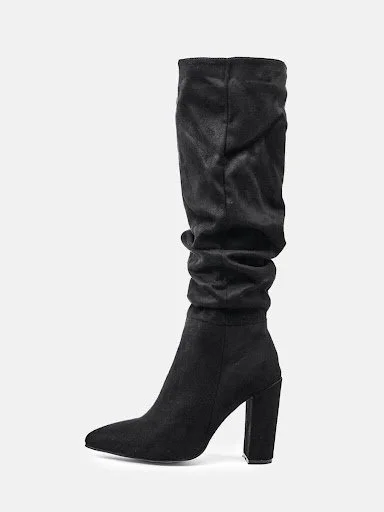
There is something refreshing about a boot that does not look perfectly pressed into shape. After seasons of sharp toes, rigid shafts and highly polished silhouettes, slouchy boots bring a little movement back to footwear. The folds around the ankle and calf are not a flaw to hide; they are the detail that gives the boot its character.
That relaxed construction also happens to fit the way many people dress now. Tailoring has become looser, denim has widened, knitwear has grown oversized and even polished outfits tend to leave room for something less controlled. Slouchy boots sit comfortably in that world because they can make simple clothes look more considered without making them look over-styled.
The appeal is in the imperfection
Most footwear is designed around clean lines. A traditional knee-high boot creates one uninterrupted shape from ankle to calf, while a fitted ankle boot stays close to the foot and disappears neatly beneath trousers. Slouchy boots do something different: they allow the material to collapse and gather naturally.
That little bit of irregularity changes the whole mood. A sleek boot often makes clothing feel sharper, but a slouched shaft can soften an outfit that would otherwise look too formal. It brings movement to a long skirt, makes a tailored coat feel less strict and adds texture when the rest of the wardrobe is built around simple colours.
When looking through different footwear silhouettes at ROSATINA, this is the kind of distinction worth paying attention to. The question is not always which boot looks most polished on its own, but what kind of energy it brings to the clothes around it.
A softer boot works surprisingly well with tailoring
The easiest way to make slouchy boots feel current is to stop treating them as purely bohemian footwear. They can work just as well with tailoring, especially when the clothing has strong, clean lines.
Consider a long wool coat over straight trousers and a simple knit. A perfectly structured boot would continue the formality of the outfit, while a slouchy boot breaks it slightly. The clothes still look polished, but the result feels less corporate and more personal.
The same thing happens with an oversized blazer and a midi skirt. The blazer provides structure, the skirt creates movement and the boot connects the two without looking overly precise. It is often that small tension between sharp and relaxed pieces that makes an outfit interesting.
I would keep the rest of the styling fairly restrained in these combinations. The folds in the boot already create enough texture, so there is rarely a need for complicated layering or several statement accessories at once.
Skirts give the shape room to be seen
Slouchy boots make the most visual sense when at least part of the shaft is visible, which is why skirts and dresses work so naturally with them.
With a midi skirt, the hem can move over the top section of the boot so that the full silhouette appears only while walking. This creates a softer effect than wearing the same boot with a short hemline, where the entire shaft becomes part of the outfit.
Mini skirts create more contrast and can push the boot in a stronger direction. I would usually balance that by keeping the upper half simple: a crew-neck knit, oversized shirt, long coat or straightforward blazer. When the proportions are already interesting, the outfit does not need much decoration.
Sweater dresses are another easy option because the softness of the knit echoes the relaxed shape of the boot. Instead of pairing a loose dress with an equally delicate shoe, the boot gives the lower half of the outfit some weight.
Slouchy boots can change the way denim looks
Denim is where the style becomes much more casual. Depending on the shaft height, slouchy boots can sit over slim jeans or appear beneath wider cuts, and each approach creates a different effect.
Slim denim tucked into a taller slouchy boot makes the folds more visible and gives the footwear a stronger role. This works particularly well when the top half of the outfit is uncomplicated, such as a sweater with a coat or a loose button-down shirt.
Wide-leg denim is almost the opposite. Much of the boot disappears beneath the hem, leaving the toe and part of the heel to do the work. The softness is still there, but it becomes a smaller detail rather than the main statement.
Straight jeans can sit somewhere between the two, depending on length. I would pay attention to how the denim meets the top of the boot rather than forcing a particular styling rule. If too much fabric gathers in the same place, the proportions can start to feel heavy.
Heel shape decides whether the boot feels casual or dressed up
The slouch itself is only one part of the design. Heel shape can shift the same basic idea from everyday footwear to something much more polished.
A low heel keeps the boot grounded and works easily with denim, knitwear and long coats. A block heel gives it more presence and can make the style feel appropriate for work or dinner without becoming especially formal. A slim, higher heel changes the mood quickly and brings the relaxed shaft into contrast with a more refined base.
When comparing slouchy boots, I would look at the relationship between the shaft and heel rather than treating them as separate details. A heavily gathered boot with a thick heel feels very different from a lightly slouched shaft sitting above a narrow heel, even when both technically belong to the same category.
The best choice depends on where the boots will actually go. If they need to work for long days, a dramatic heel may limit their usefulness; if they are mainly for dinners or evening outfits, that extra height may be exactly what makes them interesting.
Colour can make the slouch feel quieter
Black is the obvious option for many people, and it works well because the dark colour keeps the folds relatively subtle. From a distance, the boot can look almost streamlined; the texture becomes more noticeable as the material catches light.
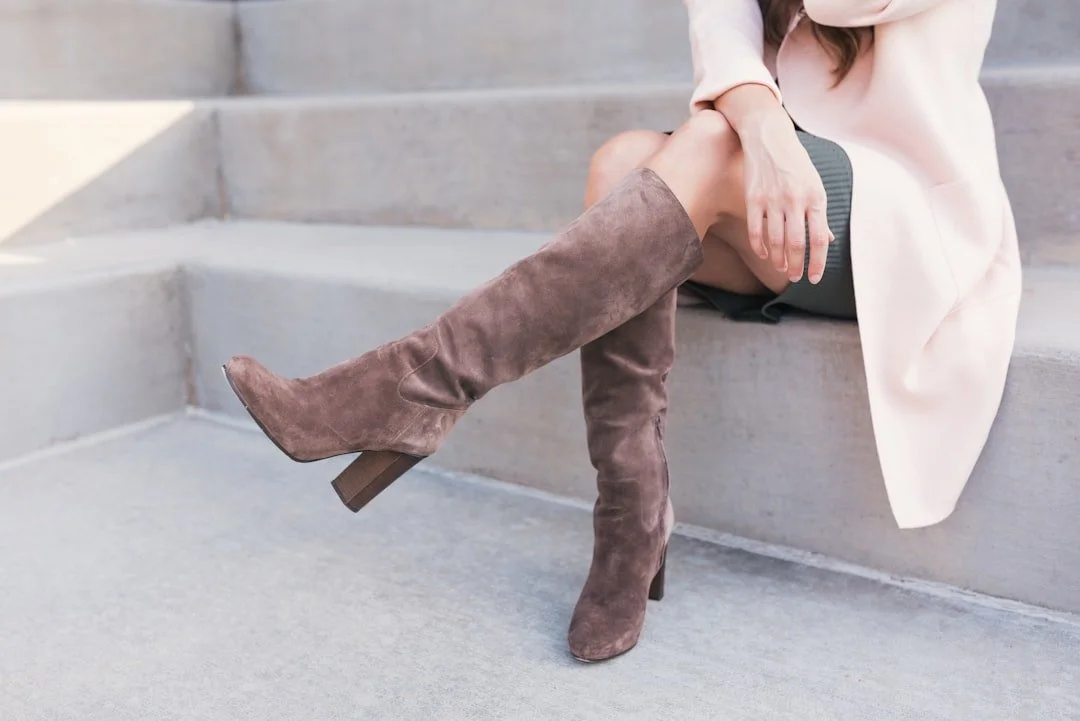
Brown changes the mood completely. Chocolate, chestnut and warmer shades have a natural relationship with denim, cream knitwear and camel outerwear, and the softer colour tends to emphasise the relaxed character of the boot.
Taupe, grey and lighter neutrals can make the silhouette feel even less heavy, particularly with pale skirts, beige coats and winter whites. They are also useful if black footwear feels too strong against the rest of the wardrobe.
I would choose the colour by looking at outerwear first. Boots spend a lot of time visually connected to coats, trousers and longer skirts, so a shade that already works with those pieces will usually get more use.
Slouch works better when the rest of the outfit has some control
Relaxed dressing can easily become shapeless if every piece is oversized, soft and loosely constructed. Slouchy boots usually look strongest when something else in the outfit provides a clear line.
That could be a structured coat, a fitted knit, straight trousers or a sharply cut handbag. The contrast keeps the boot looking intentional rather than simply untidy.
The reverse is also true. If everything else is extremely fitted and polished, the boot can feel disconnected. One softer element elsewhere in the outfit, perhaps a knit or relaxed skirt, can make the transition more natural.
This does not require complicated styling theory. It is mostly about stepping back and looking at where the volume sits. If the boots already create folds and movement around the lower leg, the rest of the outfit often benefits from a little breathing room.
The best slouch looks natural, not accidental
There is a difference between a boot designed to drape and one that simply does not stay up properly. With slouchy boots, the folds should feel like part of the silhouette rather than a constant problem that needs adjusting.
The way the shaft falls matters, as does how the boot bends when walking or sitting. A taller boot will move more around the leg, while a shorter version may concentrate most of the gathering near the ankle.
This is also why the style can look different once it is actually being worn. Product photography often presents footwear in a very controlled position, but slouchy boots are designed around movement. The shape you see while standing still is only part of the story.
Comfort matters here too. A boot that looks relaxed should also allow natural movement through the ankle and knee, depending on its height. If the shaft has to be constantly pulled into position, the effortless look stops feeling effortless very quickly.
They make simple winter dressing more interesting
Cold-weather wardrobes tend to repeat themselves. The same coats, denim, knits and neutral colours come back week after week, and that is not necessarily a bad thing. Repetition is often what makes a wardrobe practical.
The challenge is keeping those familiar combinations from becoming visually flat. Slouchy boots solve that without requiring a dramatic colour or heavily decorated design. The texture alone can make a black coat and jeans feel different, or add depth to a monochrome knit-and-skirt combination.
That is also why the style does not need to be treated as a trend piece. A relatively simple pair can move through several seasons because the appeal comes from proportion and texture rather than a very specific decorative detail.
The relaxed silhouette is easier to wear than it looks
Slouchy boots have enough personality to be noticed, but they do not require an elaborate wardrobe. In fact, they tend to work best with familiar pieces: denim, long coats, simple skirts, knit dresses and uncomplicated tailoring.
What makes them interesting is the way they interrupt perfection. The shaft does not sit in one rigid line, and the folds change slightly as the wearer moves. That gives an otherwise ordinary outfit a sense of texture without making it feel overly planned.
In a wardrobe where so many pieces are designed to look precise, there is something appealing about footwear that is allowed to relax a little. The slouch is not something to correct. It is the reason the boot works.
HOW DO YOU FEEL ABOUT FASHION?
COMMENT OR TAKE OUR PAGE READER SURVEY
Featured

Better With Age’s FW26 “STOLEN ART” collection expands its circular design philosophy into refined tailoring and limited-edition eyewear, transforming vintage textiles and antique silver flatware into contemporary pieces with a distinct sense of history.