
Strategic Approaches to Ant Control for Continuous Protection and Structural Preservation
PAGE
By PAGE Editor
Understanding the Growing Problem of Ant Infestations
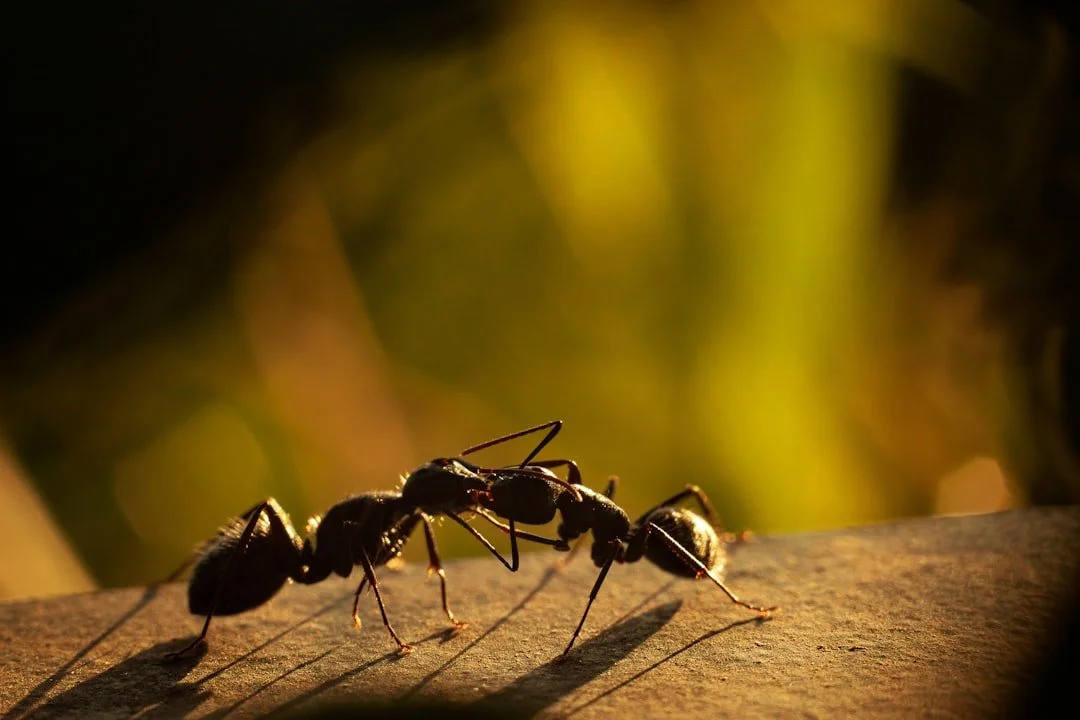
Ant infestations are one of the most common pest issues faced by homeowners and business owners, often beginning as a minor nuisance before developing into a persistent and widespread problem. These small insects are highly organized and live in colonies that can contain thousands of members working together in search of food, water, and shelter. Because ants communicate through pheromone trails, once one ant discovers a food source it quickly alerts the rest of the colony, leading to visible trails throughout kitchens, storage areas, and other indoor spaces. Effective ant control begins with understanding how colonies operate and why they are attracted to certain environments. Even the smallest crumbs or moisture leaks can provide enough sustenance to support an expanding colony. Over time, some species may nest inside walls, beneath flooring, or around foundations, making them difficult to eliminate without professional intervention. Ignoring early warning signs often allows the infestation to grow stronger and more resistant to basic treatments. A strategic and informed response is necessary to prevent minor issues from becoming major structural concerns.
Common Types of Ants and Their Behavior Patterns
Different ant species require different management techniques because their nesting habits and food preferences vary significantly. Some ants prefer sweet substances, while others are drawn to proteins and greasy materials, which influences the bait and treatment approach used in ant control programs. Carpenter ants are known for excavating wood to create nesting galleries, potentially weakening structural components over time. Pavement ants often nest under driveways and foundations, entering buildings through cracks and gaps in search of food. Odorous house ants commonly invade kitchens and emit a distinct smell when crushed, signaling the presence of an active colony. Identifying the species is a crucial step in developing an effective treatment plan that addresses the root of the infestation. Without proper identification, temporary solutions may only eliminate visible workers while leaving the queen and colony intact. Long term success depends on targeting the entire colony rather than focusing solely on surface activity. Professional inspections help determine nesting locations and the scale of the problem before selecting the most appropriate strategy.
Early Warning Signs and Inspection Practices
Detecting an ant infestation in its early stages can significantly reduce damage and treatment costs over time. Homeowners should look for consistent ant trails along baseboards, countertops, window frames, and entry points. Small piles of dirt or wood shavings may indicate nesting activity behind walls or under flooring. Increased sightings near sinks, dishwashers, or leaking pipes often suggest that moisture is attracting ants into the structure. Routine inspections play an important role in proactive ant control by identifying vulnerabilities before colonies become fully established. Sealing cracks in foundations, repairing damaged weather stripping, and addressing plumbing leaks can remove the conditions that attract ants. Monitoring outdoor areas such as garden beds and exterior walls also helps detect early nesting sites. Maintaining awareness of subtle changes in pest activity allows for quick intervention and prevents large scale infestations. Preventive vigilance remains one of the most effective tools in maintaining a pest free environment.
Prevention Strategies for Long Term Success
Preventing ants from entering a property requires consistent maintenance and attention to environmental conditions. Proper food storage practices, including sealed containers and regular cleaning, reduce access to food sources that attract foraging ants. Eliminating standing water and ensuring adequate ventilation lowers humidity levels that support colony growth. Landscaping adjustments such as trimming vegetation away from walls and removing debris near foundations can limit hidden nesting opportunities. A comprehensive ant control plan often includes barrier treatments around entry points to discourage intrusion. Routine professional inspections provide added assurance that emerging colonies are identified early and treated appropriately. Establishing a structured prevention schedule ensures that protective measures remain effective over time. Educating household members or staff about sanitation practices further strengthens defense against infestation. Long term prevention depends on combining environmental management with targeted protective solutions.
Treatment Methods and Professional Solutions
When ants establish a colony within or around a structure, immediate action is necessary to avoid escalation. Baiting systems are commonly used in ant control because they allow worker ants to carry treated food back to the colony, gradually eliminating the queen and other members. Non repellent insecticides can also be applied strategically to create invisible barriers that ants unknowingly cross, spreading treatment throughout the colony. In cases involving carpenter ants or large infestations, localized treatments within wall voids may be required to address hidden nests. Selecting the correct treatment method depends on accurate species identification and colony location. Professional technicians often use specialized tools to detect nesting areas that are not visible during routine inspections. Combining multiple treatment techniques may improve overall effectiveness and reduce the likelihood of recurrence. Timely intervention prevents further spread and protects structural integrity. A well executed treatment plan addresses both immediate activity and long term colony elimination.
Importance of Monitoring and Maintenance Programs
Successful pest management does not end after the initial treatment, as ongoing monitoring is essential to ensure that colonies do not return. Regular inspections help identify new entry points or environmental changes that may encourage reinfestation. Implementing a scheduled ant control maintenance program provides continuous protection and peace of mind. Monitoring stations placed around the property can detect early activity before it becomes visible indoors. Documentation of inspections and treatments supports accountability and ensures consistent follow up. Preventive maintenance is particularly valuable for commercial properties where even minor infestations can affect reputation and customer confidence. Maintaining a clean and organized environment complements professional monitoring efforts. Continuous evaluation of protective measures ensures they remain effective under changing conditions. Long term commitment to maintenance significantly reduces the risk of recurring infestations.
Environmental Responsibility and Safe Practices
Modern pest management emphasizes solutions that are both effective and environmentally responsible. Integrated approaches combine chemical, biological, and mechanical methods to achieve balanced and sustainable results. Many ant control products are formulated to specifically target ants while minimizing risks to humans, pets, and beneficial insects. Licensed professionals follow strict application guidelines to ensure safety during and after treatment. Clear communication about reentry times and precautionary measures helps occupants feel secure throughout the process. Eco friendly bait systems reduce unnecessary chemical exposure while maintaining high levels of effectiveness. Responsible pest management supports not only property protection but also environmental stewardship. Choosing experienced providers ensures that treatments comply with industry standards and regulations. Sustainable practices contribute to long term safety and community well being.
Conclusion
Managing ant infestations requires a strategic approach that integrates prevention, treatment, and ongoing evaluation to achieve lasting protection. Ant colonies are resilient and capable of adapting quickly to changes in their environment, making thorough planning essential for success. By focusing on sanitation, structural maintenance, and early detection, property owners can significantly reduce the likelihood of severe infestations. Professional ant control services offer expertise, advanced tools, and customized solutions that address specific species and nesting behaviors. Continuous monitoring and maintenance programs provide an added layer of security against reinfestation. Investing in reliable ant control not only preserves property value but also ensures a comfortable and hygienic living or working environment. Long term structural preservation depends on consistent effort and informed decision making. With the right combination of proactive strategies and professional support, ant problems can be effectively managed and prevented for years to come.
HOW DO YOU FEEL ABOUT FASHION?
COMMENT OR TAKE OUR PAGE READER SURVEY
Featured



Video is no longer optional for marketing teams, e-commerce brands, and solo creators.