
Expert Guide to Paver Sealing for Weather Protection and Surface Longevity
PAGE
By PAGE Editor
Understanding the Importance of Surface Protection and Maintenance
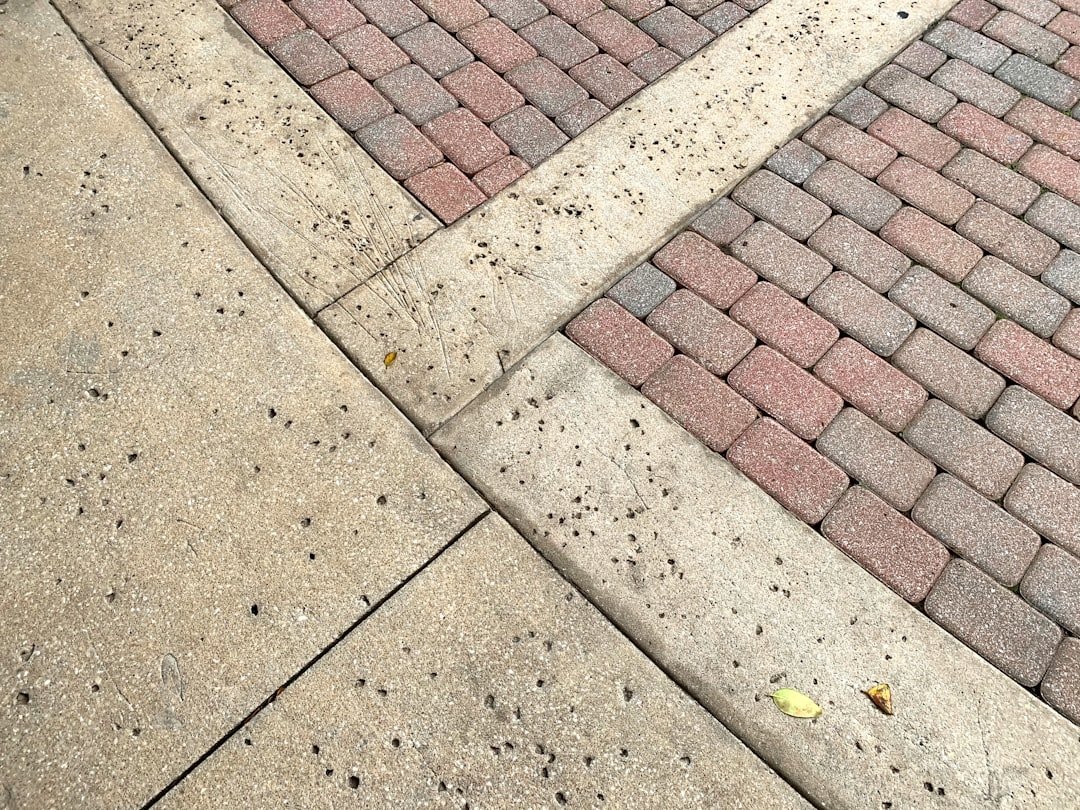
Outdoor paved surfaces such as driveways, patios, walkways, and pool decks are constantly exposed to harsh environmental conditions including sunlight, rain, oil spills, dirt, and heavy foot traffic. Over time, these factors gradually damage the surface by causing fading, staining, erosion, and weakening of the material structure. This is why proper maintenance and protective treatment are essential for long term durability and visual appeal. One of the most effective solutions for protecting these surfaces is paver sealing, which creates a protective barrier that preserves both strength and appearance. Without proper protection, pavers tend to absorb moisture and stains, making them difficult to clean and more prone to damage. Weather changes such as heat, rain, and freezing conditions can further accelerate surface deterioration. A sealed surface remains more stable and resistant to environmental stress. Property owners who invest in maintenance solutions like paver sealing often experience reduced repair costs and improved long term performance. Consistent care ensures that outdoor areas remain attractive, functional, and structurally sound for years.
How Surface Sealing Works for Long Term Protection
The sealing process involves applying a protective coating that penetrates or covers the surface to prevent damage from external elements. This barrier helps reduce water absorption, which is one of the leading causes of cracking, erosion, and structural weakening. It also enhances the natural color of the pavers, giving them a clean and refreshed appearance. One of the key advantages of paver sealing is that it helps lock joint sand in place, preventing weed growth and shifting between pavers. It also reduces the impact of oil stains, dirt buildup, and UV exposure that can cause fading over time. The protective layer forms a shield that strengthens the surface against daily wear and tear. As a result, maintenance becomes easier and less frequent. Proper sealing significantly increases the lifespan of paved areas while maintaining their original look and functionality.
Types of Sealers and Their Benefits
There are different types of sealers available, each designed to achieve specific results depending on surface type and environmental conditions. Water based sealers are environmentally friendly and provide a natural finish while offering good protection against stains and moisture. Solvent based sealers tend to provide a stronger protective layer and often enhance color vibrancy, creating a glossy or wet look effect. Penetrating sealers absorb into the surface and protect from within without changing the natural appearance of the pavers. Film forming sealers create a visible coating on top of the surface, adding shine and improved resistance against external damage. Choosing the right type depends on the material, location exposure, and desired aesthetic result. Professional assessment helps ensure the correct product is selected for long lasting performance. Each type of sealer plays an important role in maintaining durability and appearance.
Surface Preparation Before Application
Proper preparation is one of the most important steps before applying any protective coating. The surface must be thoroughly cleaned to remove dirt, debris, oil stains, and previous residues that could affect adhesion. Pressure washing is commonly used to achieve deep cleaning and restore the original surface condition. Any damaged or uneven pavers should be repaired or reset before sealing begins. Joint sand is often replenished to stabilize the structure and improve bonding between pavers. Moisture levels must be carefully checked, as applying sealant on wet surfaces can reduce effectiveness and cause uneven results. Allowing sufficient drying time ensures that the surface is fully ready for treatment. Careful preparation guarantees better bonding and long lasting protection. Skipping this stage can significantly reduce the performance of paver sealing and lead to early failure.
Application Process and Best Practices
The application process requires precision and even coverage to ensure consistent protection across the entire surface. Sealers can be applied using rollers, sprayers, or specialized applicators depending on the surface size and product type. Thin and even coats are preferred over thick layers to ensure proper absorption and avoid pooling. It is important to maintain uniform application to prevent streaks, cloudiness, or uneven gloss levels. Multiple coats may be applied depending on the level of protection required. Timing between coats is also critical to allow proper bonding and curing. Weather conditions such as temperature, humidity, and wind can affect the application results. Professional application ensures accuracy, durability, and a smooth finish. Proper technique plays a key role in achieving high quality and long lasting results.
Benefits of Long Term Surface Protection
One of the biggest advantages of sealing is its ability to protect surfaces from water damage, stains, and environmental wear. By reducing water absorption, it helps prevent cracks, erosion, and weakening of the base material. It also enhances color retention, keeping the surface vibrant and visually appealing for longer periods. Another important benefit of paver sealing is its ability to reduce weed and moss growth between joints, which helps maintain a clean appearance. Sealed surfaces are easier to clean and require less maintenance effort over time. Oil, dirt, and organic stains are less likely to penetrate the surface, making cleaning more efficient. The protective layer also helps stabilize joint sand, reducing shifting and movement of pavers. These benefits collectively improve both durability and appearance.
Maintenance and Reapplication Requirements
Although sealing provides long lasting protection, periodic maintenance is necessary to maintain effectiveness. Over time, exposure to sunlight, rain, and regular use can gradually wear down the protective layer. Routine cleaning helps preserve the surface appearance and prevents buildup of dirt or debris. Depending on usage and environmental conditions, resealing may be required every few years. Before reapplication, the surface should be inspected for wear, damage, or fading. Proper timing ensures continuous protection without gaps in coverage. Maintenance scheduling helps extend the lifespan of the surface significantly. Professional evaluation can help determine the best maintenance cycle for each specific installation. Consistent care ensures long term durability and performance.
Environmental and Structural Benefits
Modern sealing solutions are designed with environmental safety in mind, offering reduced toxicity and improved sustainability. Water based sealers are especially popular due to their eco friendly composition and low odor. By preventing water infiltration, sealing helps reduce erosion and structural damage to the base layers. This improves drainage efficiency and prevents water pooling on the surface. Sealed pavers also experience less shifting and movement, which enhances structural stability. Reduced maintenance and repair needs contribute to resource conservation and lower environmental impact. These advantages make sealing a responsible and sustainable choice for property maintenance. Overall, it supports both environmental protection and structural longevity.
Common Issues and How to Avoid Them
Despite its benefits, improper application can lead to issues such as streaking, cloudiness, or uneven finish. Applying sealant on dirty or damp surfaces can reduce bonding strength and shorten lifespan. Over application may cause surface haze or slippery conditions, while under application may reduce protection. Low quality products may result in discoloration or premature wear. Proper preparation and correct product selection are essential for avoiding these problems. Professional application ensures correct technique and even coverage. Regular inspection after sealing helps detect early signs of wear. Addressing issues early prevents larger and more costly repairs in the future.
Conclusion
Maintaining outdoor paved surfaces requires consistent care and proper protective measures to ensure long term performance. Paver sealing provides an effective solution for enhancing durability, improving appearance, and preventing environmental damage. It helps protect against water, stains, UV exposure, and structural wear while reducing maintenance requirements. When applied correctly, it significantly extends the lifespan of paved surfaces and preserves their original beauty. Regular maintenance and timely reapplication ensure continuous protection and reliability. Investing in quality sealing solutions leads to better long term value, reduced repair costs, and improved surface performance. With proper care and professional application, outdoor paved areas can remain strong, attractive, and functional for many years.
HOW DO YOU FEEL ABOUT FASHION?
COMMENT OR TAKE OUR PAGE READER SURVEY
Featured

Finding the right job in human resources or recruitment can take time, especially when you're searching online.