
When and Why Emergency Roof Replacement Becomes Necessary After Storm or Structural Failure
PAGE
By PAGE Editor
Introduction to Emergency Roof Replacement
A roof is one of the most important structural elements of any building because it protects everything underneath it from weather, temperature changes, and external damage. When a roof suddenly fails due to storms, heavy rainfall, falling objects, or long-term deterioration, it creates an urgent situation that requires immediate attention. This is where emergency roof replacement becomes essential.
Unlike planned roofing projects, emergency replacements are carried out under time-sensitive conditions where safety and structural integrity are at risk. Delaying action can lead to severe water damage, mold growth, electrical hazards, and even partial building collapse in extreme cases. Understanding how emergency roofing works, what steps are involved, and how to respond quickly can make a significant difference in minimizing damage and cost.
What Qualifies as a Roofing Emergency
Not every roofing issue requires full emergency replacement, but certain situations demand immediate action. Severe storm damage is one of the most common causes. High winds, hail, and heavy rain can tear off shingles, damage underlayment, or create large openings in the roof structure.
Another serious situation is sudden roof collapse or structural weakening. This can happen due to long-term water damage, rotting wood, or excessive weight from debris or snow accumulation. When structural integrity is compromised, immediate replacement becomes necessary to ensure safety.
Major leaks that cannot be controlled through temporary repairs also fall under roofing emergencies. If water is entering the home at multiple points or continuously dripping into living spaces, it can quickly damage ceilings, walls, furniture, and electrical systems.
Immediate Steps to Take During a Roof Emergency
When a roof emergency occurs, the first priority is safety. Occupants should move away from affected areas and avoid any space where ceilings appear sagging or unstable. If water is leaking near electrical fixtures, power should be turned off immediately to prevent electrical hazards.
The next step is to minimize damage inside the property. Placing buckets or containers under leaks, moving furniture, and covering valuables with waterproof sheets can help reduce interior damage. However, these are temporary measures and should not replace professional intervention.
It is also important to contact a roofing professional as soon as possible. Emergency roofing teams are trained to respond quickly, assess the situation, and determine whether temporary repairs or full roof replacement is required.
Causes of Sudden Roof Failure
Emergency roof replacement can be triggered by several factors, many of which develop over time but become critical suddenly. Severe weather is one of the leading causes. Storms can lift shingles, damage flashing, and expose the roof deck to water infiltration.
Age is another major factor. Older roofs naturally weaken due to prolonged exposure to sun, rain, and temperature fluctuations. Materials such as asphalt shingles may become brittle and lose their protective capabilities over time.
Poor installation or low-quality materials can also lead to premature roof failure. If a roof was not installed correctly, even moderate weather conditions can cause significant damage.
Neglected maintenance is another common reason. Small leaks or damaged shingles that are not repaired promptly can worsen over time and eventually lead to emergency situations requiring full replacement.
Temporary Protection Measures Before Replacement
In many emergency situations, roofing professionals may first apply temporary protective solutions before carrying out full replacement. One common method is tarping, where a heavy-duty waterproof sheet is placed over the damaged area to prevent further water intrusion.
Roof sealants and patching materials may also be used for small openings to stabilize the structure temporarily. These solutions are not permanent but are essential in controlling damage until full repairs or replacement can be completed.
Temporary protection helps prevent additional interior damage and gives homeowners time to plan and arrange for complete roof replacement without further risk to the property.The emergency roof replacement process begins with a rapid inspection of the damaged structure. Roofing experts assess the extent of the damage, identify weak points, and determine whether a full replacement is necessary or if partial repairs can suffice.
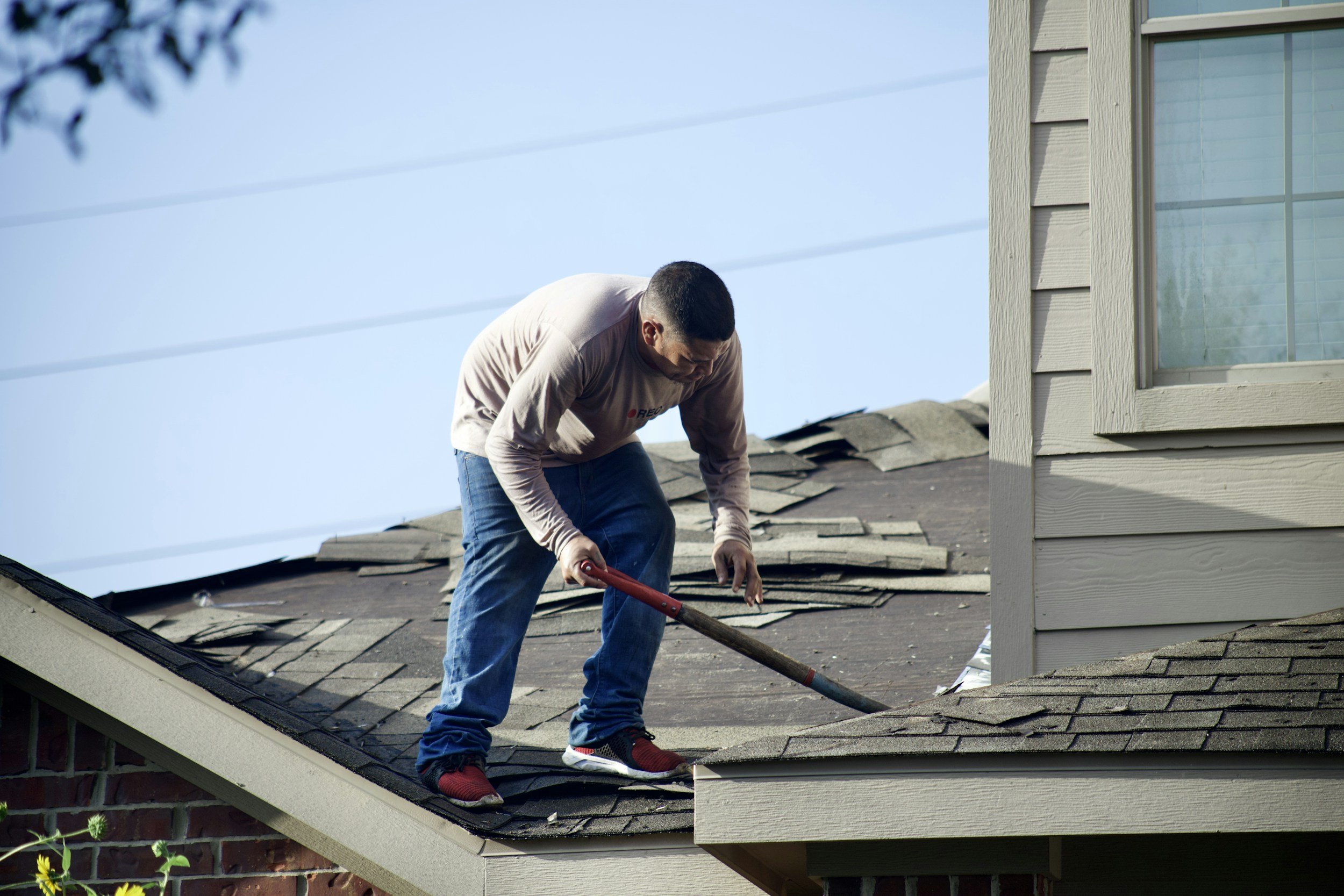
Once the evaluation is complete, damaged roofing materials are carefully removed. This includes shingles, underlayment, flashing, and any compromised structural components. Safety precautions are taken throughout this process to prevent further collapse or injury.
After removal, the underlying roof deck is inspected for rot, mold, or structural weakness. Any damaged sections are repaired or replaced to ensure a solid foundation for the new roof.Next, new roofing materials are installed. This may include waterproof underlayment, shingles, metal panels, or other roofing systems depending on the building type and budget. Proper installation techniques are crucial to ensure durability and weather resistance.
Finally, the roof is sealed, inspected, and tested for leaks. A thorough quality check ensures that the new structure is secure and capable of withstanding future weather conditions.
Importance of Quick Response in Roofing Emergencies
Time is one of the most critical factors in emergency roof replacement. Delaying repairs can significantly increase damage to both the roof and interior of the building. Even a small leak can lead to widespread water damage if left unattended.Quick response helps minimize repair costs by preventing secondary damage such as mold growth, electrical system failure, and structural weakening. It also reduces the risk of health hazards caused by damp environments.
Professional roofing teams that specialize in emergency services are trained to respond quickly and efficiently, often providing same-day assessments and immediate temporary protection.The cost of emergency roof replacement can vary widely depending on several factors. The size of the roof is one of the primary considerations, as larger roofs require more materials and labor.
The type of roofing material also affects cost. Asphalt shingles are generally more affordable, while metal roofing, tile, or specialized materials may be more expensive.The extent of damage plays a significant role as well. If structural repairs are required in addition to roof replacement, costs will increase accordingly.
Emergency service fees are another factor. Because emergency roofing requires immediate response, after-hours labor or rapid deployment may come at a higher price compared to scheduled roofing projects.
Choosing a Reliable Emergency Roofing Service
Selecting the right roofing contractor is crucial during emergencies. A reliable service provider should have experience in handling urgent roofing situations and a proven track record of quick response times.
Licensing and insurance are essential to ensure that the work is performed safely and professionally. Homeowners should always verify credentials before hiring any contractor.Customer reviews and recommendations can also help in identifying trustworthy roofing companies. Transparent pricing, clear communication, and warranty options are additional indicators of a reliable service provider.While not all emergencies can be avoided, regular maintenance significantly reduces the risk of sudden roof failure. Routine inspections help identify minor issues before they become major problems.
Cleaning gutters, replacing damaged shingles, and checking for leaks are simple preventive measures that can extend the life of a roof. Scheduling professional inspections at least once or twice a year is also highly recommended.Proper ventilation and insulation also play a role in maintaining roof health by preventing moisture buildup and temperature-related damage.
Weather Impact on Roof Stability
Severe weather conditions are one of the biggest threats to roof stability. Heavy rain can lead to leaks, while strong winds can tear off roofing materials. Hailstorms can cause surface damage that weakens the roof over time.
Snow accumulation adds extra weight, which can strain older or poorly maintained roofs. In such cases, emergency roof replacement may become unavoidable if structural integrity is compromised.Homeowners in regions with extreme weather conditions should invest in durable roofing materials designed to withstand harsh environments.Although emergency roof replacement may feel stressful and costly, it provides long-term benefits. A new roof improves safety, enhances energy efficiency, and increases property value.
Conclusion
Modern roofing materials are designed to offer better insulation and durability, reducing heating and cooling costs over time. A newly replaced roof also enhances the overall appearance of a property, which is beneficial for resale value.Most importantly, timely replacement ensures peace of mind by eliminating the risk of recurring leaks or structural damage.
Emergency roof replacement is a critical service that protects homes and buildings during unexpected roofing failures. Whether caused by storms, aging materials, or structural damage, immediate action is essential to prevent further deterioration.
Understanding the causes, response steps, and replacement process helps homeowners make informed decisions during stressful situations. Quick response, professional assistance, and proper planning can significantly reduce damage and ensure long-term safety.A well-installed roof not only protects a building from external elements but also provides stability, comfort, and security for years to come.
HOW DO YOU FEEL ABOUT FASHION?
COMMENT OR TAKE OUR PAGE READER SURVEY
Featured





Mia Rose McGrath’s Frugal Chic reframes wealth-building as an extension of personal style, arguing that financial freedom comes not from deprivation but from developing the taste, discipline and confidence to spend intentionally.